If fat content is your main concern when planning an Easter egg hunt, plain dried fruit is a sensible place to start: the apricot and fruit mix examples listed by EDEKA and REWE contain 0.3 to 0.5 g of fat per 100 g. Still, check each pack individually. Crispy fruit chips may be made with oil and sugar; if you’re buying snacks for a group, it’s also important to check the ingredients and allergen information.
Who is this choice important for?
Organisers keeping an eye on fat
If you’re looking for dried fruit for an Easter egg hunt, compare the fat content per 100 g and how the fruit is processed. EDEKA and REWE list low fat values for some dried fruit, while Seeberger describes its banana chips as baked in coconut oil.
Hosts mindful of ingredients and allergens
If you’re sharing snacks with a group, check the specific ingredients list. The EDEKA apricot and fruit mix examples mentioned contain sulphur dioxide or sulphites; REWE also notes that its ja! apricots may contain traces of nuts.
Easter egg hunt planners
If you’re preparing small portions and want to store any leftovers, think about portion containers and storage instructions too. EDEKA recommends keeping dried fruit in a sealed container in a cool, dry place away from light.
What should you look for when buying?
Start by comparing fat content and processing, then check the ingredients and allergen information. For the hunt itself, also consider whether the fruit can be portioned safely and any leftovers stored appropriately.
| Criterion | What to check | Who it matters to |
|---|
| Fat and processing |
Compare fat per 100 g and check fruit chips for added oil. |
If I’m mainly looking to buy lower-fat options, I don’t want to treat plain dried fruit and oil-processed chips as the same thing. This is the top priority for around 42% of consumers. |
| Ingredients and allergens |
Check the ingredients list for sulphur dioxide or sulphites, as well as allergen and may-contain statements. |
If I’m sharing snacks with a group, the pack I choose needs to suit the participants’ known intolerances. Around 33% of consumers give this check priority. |
| Portioning and storage |
Consider suitable portion containers and the storage instructions on the pack. |
For the hunt, I want to prepare small amounts without leaving the rest of the fruit exposed. Practicality is the main concern for around 25% of consumers. |
Common selection pitfalls
-
Assuming all dried fruit is made the same way
A crispy texture doesn’t tell you how much fat a product contains. Seeberger describes its banana chips as baked in coconut oil and then sweetened with sugar.
For plain dried fruit and fruit chips alike, compare the fat per 100 g and the ingredients list on the specific pack.
-
Overlooking sulphites when sharing snacks
The sulphured apricots and fruit mixes from EDEKA mentioned here list sulphur dioxide or sulphites. REWE also notes that one ja! apricot product may contain traces of nuts.
Before filling Easter baskets, check the highlighted allergens and any may-contain statements on every pack.
-
Comparing fat content alone
A low fat content doesn’t tell you how much sugar a product contains. REWE lists 37 g of sugar per 100 g for its ja! apricots; EDEKA lists 46 g per 100 g for one dried fruit mix.
Also compare sugar and energy in the nutrition information, and decide how much to set aside for the hunt in advance.
-
Leaving opened fruit uncovered
EDEKA recommends storing dried fruit in a cool, dry place away from light. This is especially useful for any leftovers after the hunt.
Only portion out what you need, then seal the rest according to the instructions on the pack.
Dried fruit brands to consider
Seeberger
Seeberger offers a range of dried fruit formats. When comparing fat content, how each product is processed is key.
- The range includes fruit chips as well as plain dried fruit.
- Seeberger says its banana chips are baked in coconut oil and sweetened with sugar, so you should check their fat content separately.
EDEKA Herzstücke
The information provided for dried apricots and fruit mixes makes it possible to compare their nutrition values and ingredients.
- For the apricots considered, EDEKA lists 0.4 g of fat per 100 g, and 0.3 g per 100 g for the fruit mix.
- Both examples list sulphur dioxide or sulphites. Always refer to the information on the pack you buy.
ja! (REWE)
These dried apricots are an example of a product where you can check fat, sugar and ingredients together.
- For the product considered, REWE lists 0.5 g of fat and 7.6 g of fibre per 100 g.
- The information also lists 37 g of sugar per 100 g, sulphur dioxide and possible traces of nuts.
NATURLIEBLINGE – KLEINE SCHÄTZ (ALDI SÜD)
ALDI SÜD sells dried apricots in a 200 g pack.
- The product information considered lists 0 g of fat per 100 g.
- ALDI SÜD notes that it uses different suppliers and that nutrition values may vary. So check the pack in store.
TRADER JOE’S (ALDI Nord)
ALDI Nord sells dried, pitted apricots in a 200 g pack.
- The product type, pitted format and pack size are clear, making it easier to choose.
- If fat content or sulphites are key concerns, check the nutrition information and ingredients on the specific pack.
Dried fruit at Joybuy
This selection includes dried apricots, red dates, jujubes, sultanas and soft mango strips for an Easter egg hunt. To make a lower-fat choice, compare the nutrition information on each pack; if you’re sharing snacks with a group, check the ingredients and allergens too.
 No image available
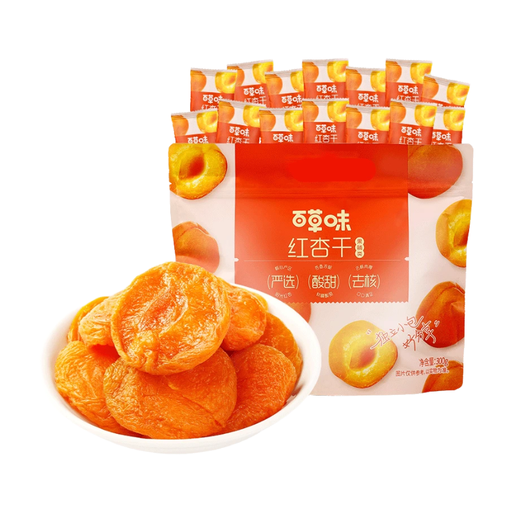
Be&Cheery dried red apricots, 300 g
Dried apricots are worth considering if you’d prefer plain dried fruit to crispy fruit chips for the hunt.
The pack contains 300 g. Compare fat and sugar per 100 g in the nutrition information.
View at Joybuy
 No image available
Haoxiangni Grade 2 Fresh-Locked pitted red dates Original Flavour, 280 g
The pitted format can make it easier to prepare small portions for the hunt.
The pack contains 280 g. If fat content or allergens are important to your choice, check the nutrition information and ingredients on the specific pack.
View at Joybuy
 No image available
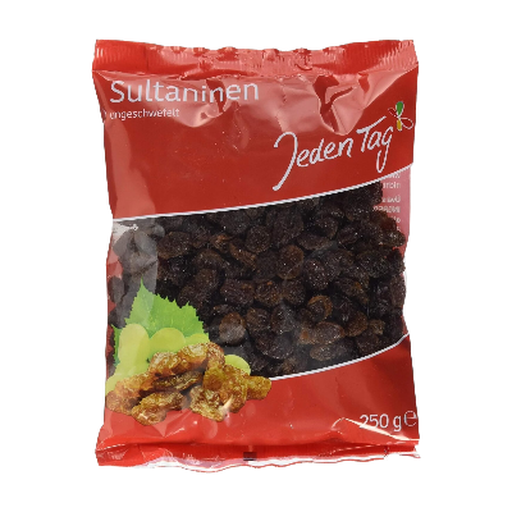
Jeden Tag sultanas, 250 g
Sultanas are a good option if you want to portion out small pieces of dried fruit.
The pack contains 250 g. If you’re sharing with young children, check that the piece size is suitable for them first.
View at Joybuy
 No image available
Haoxiangni Grade A No-Wash Jujubes, 500 g
The 500 g pack is worth considering if you’re planning to portion out a larger amount for the Easter egg hunt.
Before opening, check how to store any leftovers according to the pack instructions, and compare nutrition values per 100 g.
View at Joybuy
 No image available
Seeberger soft dried mango strips, 100 g
Soft mango strips are an alternative if you don’t want crispy fruit chips for the hunt.
The pack contains 100 g. Before sharing, check the ingredients and allergen information on the specific pack, especially if any participants need to avoid sulphites.
View at Joybuy
Frequently asked questions
How can I tell whether dried fruit is low in fat?
Compare the fat per 100 g in the nutrition information on the specific packs. The Verbraucherzentrale notes that terms such as ‘low fat’ are subject to set requirements; the term is no substitute for checking the ingredients and other nutrition values.
Are banana chips suitable for a lower-fat Easter egg hunt?
You can’t tell from the name alone. Seeberger describes its banana chips as baked in coconut oil and sweetened with sugar. Compare their fat content with that of plain dried fruit before making your choice.
How can I spot sulphites in dried fruit?
Check the ingredients list for sulphur dioxide or sulphites, and look at the allergen labelling. The sulphured apricots and fruit mixes from EDEKA considered here list these substances, but that doesn’t automatically apply to every dried fruit.
How should I store leftovers after an Easter egg hunt?
Seal any leftover dried fruit and follow the storage instructions on the pack. EDEKA recommends keeping dried fruit in a cool, dry place away from light; for one apricot product, REWE specifically advises storing it in a dry place and protecting it from heat.


