Households that eat dried fruit regularly
If you often use the same fruit as a snack or an ingredient in muesli and baking, you could stock up on a larger pack or several unopened packs. The key is whether you’ll actually use the quantity.


A large bag is a good fit for a big household if everyone regularly eats the same type of dried fruit and the pack can be resealed securely once opened. Separate smaller packs make it easier to fill lunchboxes, while a fruit mix offers more variety but means checking the ingredients and allergen information carefully.
If you often use the same fruit as a snack or an ingredient in muesli and baking, you could stock up on a larger pack or several unopened packs. The key is whether you’ll actually use the quantity.
Separate smaller packs can be handy when you’re filling several lunchboxes. Alternatively, you can portion out a larger bag at home, as long as its contents suit how you plan to use them.
If sugar as an ingredient, sulphur dioxide, preservatives or nuts are a concern, check the ingredients list and allergen information for each specific product. The words ‘fruit mix’ alone won’t tell you much.
When shopping for the family, start by deciding what matters most: a regular supply, ready-to-go lunchboxes or a variety of fruit to suit different tastes. You can then compare pack sizes and the ingredients in each specific product.
| Criteria | What to check | Who it matters to |
|---|---|---|
| Stock-up size | Compare the net weight and number of individually sealed packs, and plan how to store the product once opened. | If we eat one particular variety regularly, I don’t want to open a new bag every time we need some. Around 33% of consumers would consider having a predictable supply their main reason to buy. |
| Ingredients and allergens | Check the ingredients list and allergen information for the chosen product for sugar as an ingredient, sulphur dioxide and nuts. | When several family members will be eating it, the specific recipe needs to meet their requirements. Checking the ingredients would come first for around 25% of consumers. |
| Lunchboxes | Check the number and weight of the individual packs; if you buy a larger pack, plan to portion it out at home. | I want to be able to fill several lunchboxes with snacks without much preparation. Around 25% of consumers would therefore prioritise portioning over other questions about format. |
| Fruit selection | Check which types of fruit are included and compare the ingredients in each component with your household’s preferences. | If not everyone likes the same fruit, I want a mix that’s less likely to go uneaten. For around 17% of consumers, the selection would be the main reason for choosing a particular format. |
According to its ingredients list, Fruit King mixed fruit, listed by REWE, contains sweetened pears and peaches, among other ingredients, as well as sulphur dioxide. You can’t tell what’s in a mix from its name alone.
Before sharing it with the family, read the ingredients list and allergen information on the specific pack.
Whether sugar is listed as an ingredient and how much sugar the dried fruit contains overall are two different things. A statement about the recipe doesn’t replace the nutritional information.
To compare products, check the ingredients list, the sugar content per 100 g and the suggested serving size.
A bulk pack needs to suit repeated use and the storage instructions on the packaging. For example, EDEKA recommends storing dried apple rings in a cool, dry place in a resealable, light-proof container.
Seal opened packs carefully and follow the storage instructions for the specific product.
The 5 × 40 g multipack listed by ALDI Nord is explicitly a nut and fruit mix. It’s not the same as a pack containing only dried fruit.
When packing lunchboxes or sharing snacks, be sure to check the full ingredients list and allergen information.
These examples show a range of pack sizes and product types. The brand alone won’t tell you what’s in a specific product or whether it’s right for your household.
Seeberger offers a range of dried fruit in different pack sizes. For sultanas, for example, the manufacturer lists 500 g and 8 × 500 g options.
EDEKA describes a five-fruit mix of apricots, plums, pears, peaches and apple rings in a resealable 250 g bag.
ALDI Nord lists prunes in a 500 g tub and a nut and fruit mix in 5 × 40 g packs under this own brand.
ALDI SÜD offers dried mango under this own brand in a resealable 125 g bag.
Lidl includes Alesto in its range of nuts, dried fruit and snacks.
This selection includes individually packed jujubes and larger single packs for households that regularly use the same dried fruit. The two multipacks of jujubes are particularly different in how they’re prepared: one is intended as a snack, while the other must be cooked thoroughly before eating.
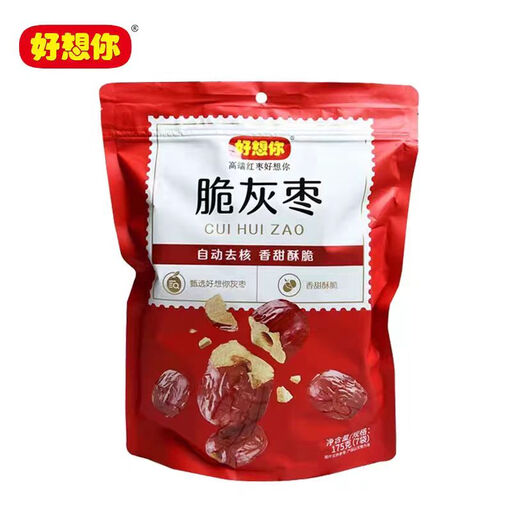 Image unavailable
The seven separate packs are handy for sharing out as individual snacks. They contain 175 g in total, so there’s only a limited amount if you’re relying on them as the sole supply for a large household.
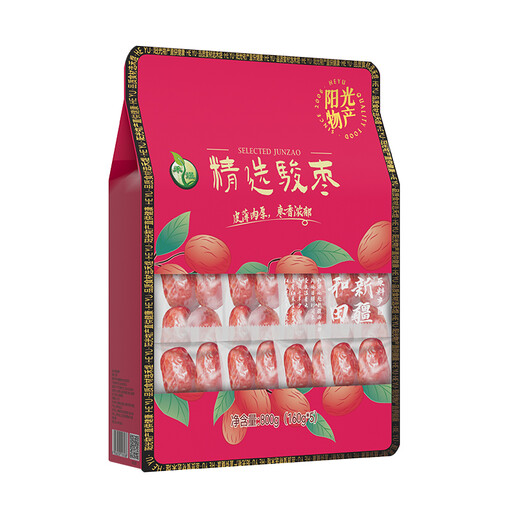 Image unavailable
The five bags are convenient for keeping a supply across several packs. These jujubes must be washed and cooked thoroughly before eating, so they’re not a ready-to-eat lunchbox snack. Use opened bags as soon as possible and store in a cool, dry place.
 Image unavailable
This 500 g pack may suit households that regularly eat dates as a snack or use them as an ingredient. For lunchboxes, you’ll need to portion them out from the shared pack; once opened, store in an airtight container.
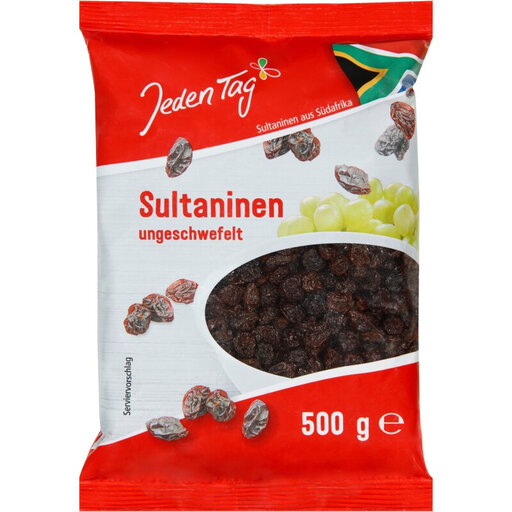 Image unavailable
This 500 g pack is a good option if you regularly use sultanas for snacks, muesli or baking. It isn’t divided into individual portions; once opened, seal it airtight and use within a few weeks.
 Image unavailable
This 500 g pack may suit households that regularly eat prunes as a snack or use them as an ingredient. The product information notes that despite being labelled ‘pitted’, the pack may contain stones or fragments, so check the fruit before serving.
A large bag is a good choice if you regularly eat the same variety and store it appropriately once opened. Separate small packs make it easier to fill lunchboxes; with nut and fruit mixes, make sure the nuts are suitable for everyone who’ll be eating them.
Check the ingredients list and allergen information on the specific pack. According to its ingredients list, the Fruit King mixed fruit listed by REWE contains sweetened pears and peaches, as well as sulphur dioxide; other mixes may have a different recipe.
No. A statement about added sugar doesn’t describe the total sugar content of the dried fruit. When comparing products, check the ingredients list and the sugar content per 100 g in the nutritional information separately.
Seal the pack carefully and follow the product’s storage instructions. For dried apple rings, for example, EDEKA recommends storing them in a cool, dry place away from light, in a resealable container.