Families keeping an eye on fat
If you’re choosing dried fruit for a day out or an afternoon of games, you can compare the fat content per 100 g on the packs. The term ‘dried fruit’ alone doesn’t tell you whether, for example, oil has been added.


When choosing dried fruit for holiday snacks, it’s worth checking the fat content per 100 g and the ingredients on the specific pack first. Products made mainly from fruit may suit a lower-fat shop, but a low fat content doesn’t tell you how much sugar a product contains. For sweetened or oil-coated varieties and freeze-dried fruit, ingredients, texture and a suitable portion size are also worth considering.
If you’re choosing dried fruit for a day out or an afternoon of games, you can compare the fat content per 100 g on the packs. The term ‘dried fruit’ alone doesn’t tell you whether, for example, oil has been added.
If you want to check for added sugar or oil, read the ingredients list as well as the nutritional information. According to the German Food Federation, ingredients are listed in descending order by weight.
Some children may prefer softer dried fruit, while others might enjoy crunchy freeze-dried pieces. Texture doesn’t determine portion size, though: the consumer advice centre Verbraucherzentrale notes that freeze-dried fruit has concentrated sugar and calories per 100 g.
When choosing a holiday snack for children, a practical approach is to check the fat content and ingredients of your chosen variety first, then compare the sugar information, texture and portion size.
| What to check | How to check it | Who it matters to |
|---|---|---|
| Fat content | Compare the fat per 100 g on the pack and, if there are several ingredients, look out for added oil. | If I mainly want to limit fat in a holiday snack, I need to check the figures for the variety I’m actually choosing. This is the top priority for around 42% of consumers. |
| Ingredients and sugar | Check the ingredients list alongside the ‘of which sugars’ figure per 100 g, and distinguish added sugar from naturally occurring sugar. | If I want to avoid overlooking added sugar or oil, I need to know what else is in the pack besides fruit. This is the main concern for around 33% of consumers. |
| Texture and portion | Choose between soft and crunchy pieces, then use the pack size to portion some out for your trip. | For a day out, I want a snack that’s easy to take with me and has a texture my child likes. This practical consideration comes first for around 25% of consumers. |
A low fat content doesn’t tell you how much sugar a product contains. EDEKA lists GUT&GÜNSTIG prunes as containing 0 g fat and 42 g sugar per 100 g; according to EDEKA, Herzstücke mango strips contain 1 g fat and 68.1 g sugar per 100 g.
Compare both figures on the same pack and portion out a serving for your snack, rather than choosing based on the fat content alone.
The general term also includes sweetened or oil-coated varieties. EDEKA lists 39% sugar and sunflower oil alongside cranberries in the ingredients of its sweetened GUT&GÜNSTIG cranberries.
Check cranberries, banana chips and fruit mixes as individual products. The ingredients and nutritional information matter, not the product category.
Fruit naturally contains sugar. According to Verbraucherzentrale, removing the water from freeze-dried fruit increases the sugar and calorie content per 100 g.
Even with products that have no added sugar, check the ‘of which sugars’ figure and consider how much you’ll eat as a snack.
These ranges offer a starting point for comparing different types of dried fruit. Fat content, ingredients and nutritional information apply to each individual product, not to a brand as a whole.
According to its own range overview, Seeberger offers dates, apricots, mangoes, plums, soft fruit and freeze-dried fruit, among other products.
The REWE range includes dried fruit from various brands and own-label ranges, as well as freeze-dried fruit.
EDEKA provides product information for dried fruit from GUT&GÜNSTIG and EDEKA Herzstücke.
ALDI SÜD offers FARMER NATURALS prunes as one example of a dried fruit variety.
Lidl is a retailer to consider when looking for dried fruit. Solevita, on the other hand, is listed by Lidl in its drinks range.
This selection includes mango, red dates and a plum variety to help you plan holiday snacks. Check the ingredients and nutritional information on each pack; the size or name of the fruit alone won’t tell you how much fat or sugar it contains.
 Image unavailable
For anyone looking for soft-textured mango strips as a holiday snack. The pack contains 100 g; check the ingredients and sugar information for this variety before buying.
 Image unavailable
An option if you’re looking for pitted red dates as a snack. The pack contains 280 g; you can portion out the amount you want to take with you.
 Image unavailable
Dried red dates for anyone planning to enjoy this fruit as a snack on several occasions. The pack contains 500 g; check the labelling and portion out the amount you want before your trip.
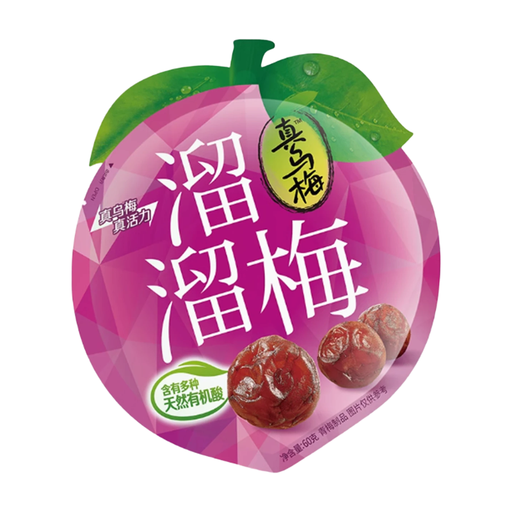 Image unavailable
A plum variety in a 60 g pack for a planned snack. If you’re looking for a product with as few fruit ingredients as possible, check the ingredients list for this variety.
It refers to the fat content, not the sugar content. The conditions for using this claim on solid foods are set out in EU Regulation (EC) No 1924/2006. Compare the fat content per 100 g on the specific pack and check the other nutritional information separately.
No. Fruit contains natural sugars, even without added sugar. Verbraucherzentrale notes that removing the water from freeze-dried fruit increases its sugar and calorie content per 100 g, so the ‘of which sugars’ figure is still important when comparing products.
Read the ingredients list for the variety you’ve chosen. According to the German Food Federation, ingredients are listed in descending order by weight; for example, EDEKA lists sugar and sunflower oil alongside the fruit in its sweetened GUT&GÜNSTIG cranberries.
Portion some out from the pack before you go, and take into account any other snacks eaten that day. Verbraucherzentrale gives a child-sized handful as a general guide to the daily amount of sweets and snacks for children; this isn’t a specific portion recommendation for any particular dried fruit.