Consumers keeping an eye on fat content
If you’re giving dried fruit as a gift or serving it as a snack, compare the fat content per 100 g on the packs. Make sure you distinguish fruit-only products from nut and fruit mixes.


For a snack or small Father’s Day gift, individual dried fruits or fruit-only mixes are worth considering if you want to compare fat content per 100 g. Also check the sugar content, ingredients and portion size: according to the Federal Centre for Nutrition, removing water concentrates the fruit sugars and energy in dried fruit.
If you’re giving dried fruit as a gift or serving it as a snack, compare the fat content per 100 g on the packs. Make sure you distinguish fruit-only products from nut and fruit mixes.
Consider the ingredients list and nutrition information together when choosing. The consumer advice centre points out that ‘no added sugar’ does not mean ‘sugar-free’.
If ingredients or allergens matter to the person you’re buying for, check the label on the pack you actually purchase. Recipes and product information can vary between dried fruit products.
Start by comparing the fat content per 100 g. Then check the sugar content, ingredients list and pack size to help you choose a snack or gift.
| What to check | What to look for when buying | Who it matters to |
|---|---|---|
| Fat content | Compare fat per 100 g on a like-for-like basis; check nut and fruit mixes separately. | If fat content is my main concern, I need a figure that lets me compare packs. Around 42% of consumers put fat content first when making this choice. |
| Sugar and portion size | Check the sugar content per 100 g and the ingredients list; take portion size into account. | For my snack, I’m more interested in whether sugar has been added and how much I plan to eat. Around 33% of consumers prioritise this. |
| Ingredients and allergens | Check the ingredients and allergen information on the pack you buy. | When buying a gift, I need to know which ingredients matter to the person receiving it. This check is a priority for around 25% of consumers. |
A reduction is a comparison; the product’s own fat content also matters when you’re choosing.
Read the nutrition information per 100 g and, if a comparison is made, check which food the product is being compared with.
Naturally occurring sugar is still present. According to the Federal Centre for Nutrition, removing water means fruit sugars and energy are more concentrated in dried fruit than in fresh fruit.
Compare the sugar content per 100 g and consider what portion size would suit the snack you have in mind.
A mix containing nuts has a different composition from individual dried fruits. You can’t tell its fat content from the product category alone.
Choose the type of mix you want, then compare the fat content of the specific products.
ALDI SÜD notes that supplier and nutrition information may vary for its dried plums. Ingredients and allergens may also be important to the person receiving your gift.
Before giving the product as a gift, check the ingredients list, allergen information and nutrition details on the pack.
The dried fruit range includes individual fruits, soft fruits and fruit mixes.
Its Fruity Mixed Fruit combines dried plums, apricots, pears, peaches and apple rings.
These dried plums are one specific option for comparing fat content.
The range includes individual dried fruits and nut and fruit mixes.
This selection includes jujubes, dried plums and dates as individual dried fruits. For a snack chosen with fat content in mind, compare the nutrition information for the specific pack of each fruit and check the sugar content too.
 No image available
If you’re choosing jujubes as a dried fruit snack, compare the fat and sugar content per 100 g in the nutrition information. ‘No-Wash’ in the product name is no substitute for checking the details on the pack.
 No image available
If you’re looking for a snack of pitted jujubes, this 280 g pack is a different size from the Grade A option. Before choosing, compare the fat and sugar content per 100 g and check the ingredients on the pack.
 No image available
These dried plums could work as a snack or an ingredient. Check the ingredients label for potassium sorbate in this variety; even pitted fruit may contain traces of stones.
 No image available
If you’re after dates for a snack or recipe, this is the pitted Deglet Nour variety. As well as the fat content, compare the sugar per 100 g; no added sugar would not mean that dates are sugar-free.
 No image available
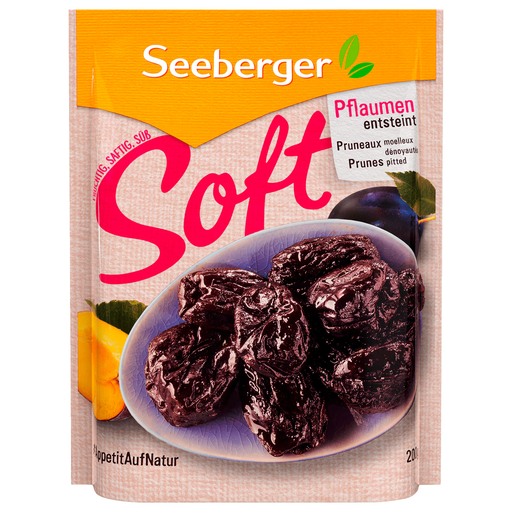
This 200 g pack is an option if you’re after a smaller pack of soft, pitted dried plums. Compare fat and sugar per 100 g regardless of pack size, and check the ingredients label if needed.
No. According to the consumer advice centre, a product with no added sugar can still contain naturally occurring sugar. Check the sugar content in the nutrition information for the specific dried fruit.
No. An absolute fat content and a reduction compared with a similar food answer different questions. Compare the fat content per 100 g for your snack; if a reduction is claimed, also check what the comparison is based on.
Yes. The fat content doesn’t tell you everything about the ingredients. For example, EDEKA lists sunflower oil, potassium sorbate and sulphur dioxide in its Fruity Mixed Fruit. If you’re buying for someone else, check the label on the specific pack.
A small portion is a useful guide, as dried fruit is more energy-dense than fresh fruit, according to the Federal Centre for Nutrition. The Centre suggests around half a handful; also check the sugar content and pack size when choosing.