Festival-goers keeping an eye on calories
You want to bring a sweet snack and keep track of how much you eat. What matters is the energy and sugar in your portion, not just the fact that it’s fruit.


Dried fruit is easy to take to a festival campsite, but it isn’t automatically low in calories. Removing the water concentrates the sugar and energy per 100 g. Compare the nutritional values per 100 g and for the amount you plan to eat. Also check the ingredients and storage instructions on the specific pack.
You want to bring a sweet snack and keep track of how much you eat. What matters is the energy and sugar in your portion, not just the fact that it’s fruit.
You’re looking for a snack that needs no preparation and can be stored in your tent or campsite in a dry place, following the instructions on the pack. Choosing the right pack size makes it easier to take with you.
You want to know before buying whether a product contains anything besides fruit, such as sugar, preservatives or sulphur dioxide. The information on the individual pack is what counts.
Start by comparing the nutritional values for the portion you plan to eat. Then check the ingredients, pack format and storage instructions to see whether the snack is right for your festival campsite.
| Criterion | What to check | Who it matters to |
|---|---|---|
| Calories and sugar | Compare the energy and sugar per 100 g and for the amount you plan to eat. | I want to be able to judge how much energy and sugar my portion contains when I’m snacking. Around 36% of consumers would put this question first. |
| Transport and storage | Check the pack’s closure and storage instructions. Keep an opened pack dry and away from heat at the campsite. | Without refrigeration, I need something that’s easy to take with me and store. For about 29% of consumers, this would be the most important point. |
| Ingredients and allergens | Check the ingredients list for additives and the allergen information, particularly for sulphur dioxide or sulphites. | If I need or want to avoid certain ingredients, I need to be able to check the specific pack. Around 21% of consumers would prioritise this. |
| Pack size and texture | Choose a pack size that suits the amount you plan to eat, and decide between soft-dried and freeze-dried fruit. | For several days at a festival, I want to choose an amount that suits me and a texture I enjoy. This would be the main consideration for around 14% of consumers. |
The Verbraucherzentrale points out that removing water concentrates sugar and energy per 100 g. The low weight of freeze-dried fruit doesn’t mean it contains fewer calories per 100 g either.
Compare the nutritional values per 100 g and for the portion you plan to eat. If you buy a large pack, you can divide it into portions before the festival.
Fruit naturally contains sugar, and drying doesn’t remove it. So a claim about no added sugar doesn’t replace the sugar value in the nutrition table.
Check the ingredients list and nutritional information separately if you want to take both added and naturally occurring sugar into account.
An EDEKA dried fruit mix contains sunflower oil, potassium sorbate and sulphur dioxide, among other ingredients, as well as fruit. You can’t tell what’s in it just from the product type.
Check the ingredients list and allergen information on the specific pack of every mix.
EDEKA recommends storing dried apple rings in a cool, dry place away from light. Those conditions may be difficult to maintain in a warm tent or car.
Follow the storage instructions for the product you buy and seal opened dried fruit tightly. Keep it as dry and shaded as possible.
The range includes both traditionally dried and freeze-dried fruit. If you’re looking for a particular texture, compare the different product types individually.
REWE’s range makes it easy to compare different types of dried fruit and processing methods.
The dried mixed-fruit option may suit shoppers who want several types of fruit in one pack.
Lidl’s Alesto brand sells dried fruit and other snacks, with ingredients that vary from one product to another.
The dried plums described by REWE may suit shoppers who want to divide a larger pack into portions themselves.
These dried fruit products may suit you if you’re looking for a snack that needs no preparation at a festival campsite. Pack sizes vary, so also compare the nutritional information, ingredients and storage instructions for each product before choosing.
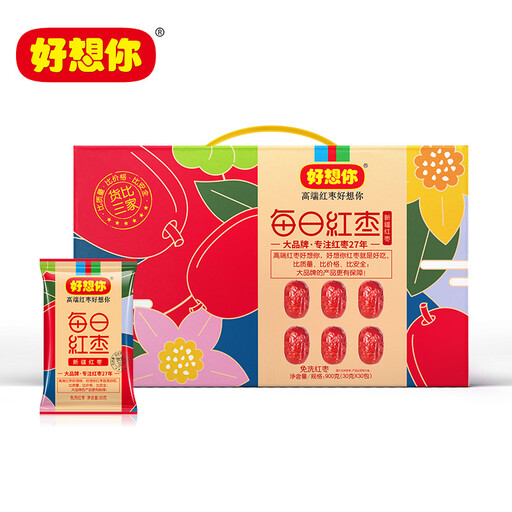 No image available
If you want to take individual snack portions with you, the 30 bags of 30 g each, as stated in the product description, make portioning easy. Check the nutritional information on the pack to help you decide.
 No image available
The 80-g pack is an option if you’d like to take apple rings with you. In particular, check the nutritional information, ingredients and allergen information on the pack.
 No image available
The 500-g pack may suit you if you want to portion out jujubes for several snack breaks. Use the information on the pack to decide how much to have, and follow the storage instructions after opening.
Not necessarily. According to the Verbraucherzentrale, removing water concentrates sugar and energy per 100 g. If you want to keep track of how much you eat, compare the nutritional values per 100 g and for your portion.
No. Dried fruit can contain naturally occurring sugar, even when no sugar has been added. The sugar value in the nutrition table helps you compare specific products.
Follow the storage instructions for the product you buy and keep opened dried fruit away from moisture and heat. For dried apple rings, EDEKA recommends a cool, dry place away from light.
Check the ingredients list and allergen labelling on the specific pack. For example, an EDEKA dried fruit mix lists potassium sorbate and sulphur dioxide; you can’t tell what’s in it just from the words ‘dried fruit’.