Festival-goers keeping an eye on fat
You want to pack a fruit snack and tell dried fruit apart from fruit crisps made with oil. For that, the ingredients list and fat per 100 g matter more than the fruit pictured on the front.


If you’re looking for festival snacks that are as low in fat as possible, start by checking the ingredients for dried or freeze-dried fruit with no added oil. Fruit crisps may be made differently: Seeberger says its banana chips are baked in coconut oil. To compare products, check the fat per 100 g on each pack. Sugar, ingredients and storage can also influence your choice.
You want to pack a fruit snack and tell dried fruit apart from fruit crisps made with oil. For that, the ingredients list and fat per 100 g matter more than the fruit pictured on the front.
You’re looking for a dry snack to take on the go. According to the consumer advice centre, freeze-dried fruit is light and crunchy; make sure it’s protected from moisture in your bag.
You want to distinguish added sugar from naturally occurring fruit sugars, or avoid sulphur dioxide. Check the ingredients and allergen information on the specific pack.
Start by comparing how the fruit is processed and its fat content per 100 g. Then consider which format you want to take with you and how you’ll store it. Sugar content and ingredients are separate points to check.
| What to check | How to check | Who it matters to |
|---|---|---|
| Fat and oil | Compare fat per 100 g and check the ingredients list for oil. The European Commission defines “low fat” for solid foods as no more than 3 g of fat per 100 g. | If I want to reduce my fat intake, I don’t want to assume that fruit crisps made with oil are the same as dried fruit just because of their name. This distinction is a priority for around 36% of consumers. |
| Format and storage | Check the pack size and closure, and plan to store the fruit somewhere dry and away from light. Freeze-dried fruit needs particular protection from moisture. | For the journey and my festival bag, I need a snack I can keep dry. This is the main priority for around 29% of consumers. |
| Sugar and portion size | Read the ingredients and the “of which sugars” figure in the nutrition information, and consider your planned portion. According to the consumer advice centre, removing water concentrates the sugar and calories in freeze-dried fruit per 100 g. | When I snack on fruit between meals, I don’t want to mistake “no added sugar” for low sugar. Around 21% of consumers make this distinction a priority. |
| Sulphur dioxide | Check the ingredients and allergen information for sulphur dioxide or sulphites; the type of fruit alone won’t tell you whether they’re present. | If I need or want to avoid sulphur dioxide, the information on each individual pack determines my choice. Around 14% of consumers put this ingredients check first. |
Processing can make a big difference: Seeberger says its banana chips are baked in coconut oil and lightly sweetened with sugar. The product name alone won’t tell you how much fat it contains.
Compare the ingredients and fat per 100 g for both fruit crisps and pieces of dried fruit.
Naturally occurring fruit sugars remain after drying. According to the consumer advice centre, removing water concentrates the sugar and calories per 100 g in freeze-dried fruit.
Check the “of which sugars” figure in the nutrition information and think about how much you’ll actually pack.
The ingredients list provided by REWE for Seeberger Soft Apricots with Sulphur lists sulphur dioxide as an antioxidant. Other packs of the same type of fruit may have different ingredients.
If you need or want to avoid sulphur dioxide, check the ingredients and allergen information on every variety.
EDEKA recommends storing dried apple rings in a cool, dry place away from light. So, when packing for a festival, it’s worth thinking about what will happen to the contents after opening, too.
Pack only as much as you need and use an airtight container if necessary.
The range includes a variety of fruit snacks, including dried fruit and banana chips.
REWE lists a variety of formats to compare, including sultanas, freeze-dried strawberries, apple crisps and sweetened banana chips.
EDEKA’s information about dried apple rings is particularly useful when it comes to storing dried fruit.
This selection includes dried mango, apple rings and jujubes to pack as fruit snacks. To make a lower-fat choice, compare the latest nutrition information and ingredients for each pack; pack sizes vary considerably.
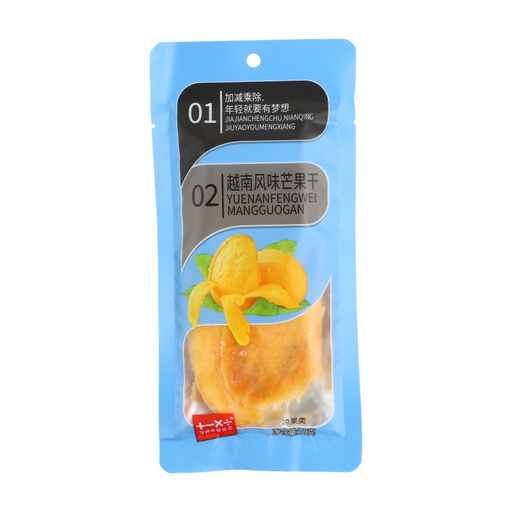 No image available
The 70 g pack could be a good option if you want to take a small amount of dried fruit to a festival. Check the information on the current pack to compare fat and sugar.
 No image available
The 100 g pack is an option if you’re looking for mango strips rather than fruit crisps. Compare fat and “of which sugars” per 100 g, and check the ingredients and allergen information.
 No image available
If you want to take apple rings in a small pack, this variety comes in an 80 g size. Check the ingredients, fat per 100 g and storage instructions on the pack.
 No image available
The 280 g pack is worth considering if you’d like to take pitted jujubes as a fruit snack. Plan your portions and compare fat and “of which sugars” using the latest nutrition information.
 No image available
If you’d like to take a larger quantity of jujubes with you, bear the 500 g pack in mind when planning portions and storage. The nutrition information per 100 g and ingredients list can help you compare them with smaller fruit snacks.
Under the EU rules published by the European Commission, solid foods can only be labelled “low fat” if they contain no more than 3 g of fat per 100 g. To compare products, look at the fat content and ingredients of the specific item; “fruit” and “no added sugar” don’t tell you how much fat it contains.
No, that doesn’t follow from the claim. Dried fruit still contains naturally occurring fruit sugars; according to the consumer advice centre, removing water concentrates the sugar and calories per 100 g in freeze-dried fruit. So check the “of which sugars” figure and the portion size.
Not just because they’re made from fruit. Seeberger says its banana chips are baked in coconut oil and lightly sweetened with sugar. If you’re mainly watching your fat intake, compare their fat per 100 g with that of a fruit product whose ingredients list contains no oil.
Store dried fruit somewhere cool and dry, away from light, if you can. EDEKA recommends keeping dried apple rings in an airtight container. When packing for a festival, take particular care to protect them from moisture and direct sunlight after opening. Also follow the storage instructions on your pack.