What should you look for when buying?
First decide whether you want a snack that’s mainly a source of protein, easy to pack or full of fruity flavour. Then compare the information for the specific products.
| Criteria |
What to check |
Who it matters to |
| Protein |
Compare protein per 100 g and per planned portion. If protein is your priority, check for a separate source of protein too. |
For my festival food, the main thing is not to rely on a fruit snack alone for my planned protein intake. Around 31% of consumers would make planning their protein intake their most important buying decision. |
| Transport and storage |
Check the pack size and whether it can be resealed; keep opened supplies tightly sealed, dry and as cool as possible. |
For the journey and campsite, I want to be able to pack portions away easily and keep leftovers protected. For around 25% of consumers, this practical approach to food supplies is the main consideration. |
| Ingredients and allergens |
Check the sugar content and ingredients list; for mixed products, also check any allergen advice that matters to you. |
When choosing a mix, I want to know whether it contains added sugar or ingredients that matter to me. Around 25% of consumers would see these checks as their main reason for buying. |
| Flavour and portion size |
Choose the type of fruit and portion size to suit how you plan to use it; check the ingredients in sweetened varieties. |
For long festival days, I’m mainly looking for a fruity snack I’ll enjoy taking with me, without treating it as a source of protein. Around 19% of consumers would put flavour and snacking first. |
Fruit and nut mixes at Joybuy
These Seeberger mixes combine dried fruit and nuts, making them a handy choice if you’re looking for a ready-to-eat fruit and nut snack on the go. If you’re planning your protein intake, assess the nutritional information for each mix and any additional source of protein separately.
 No image available
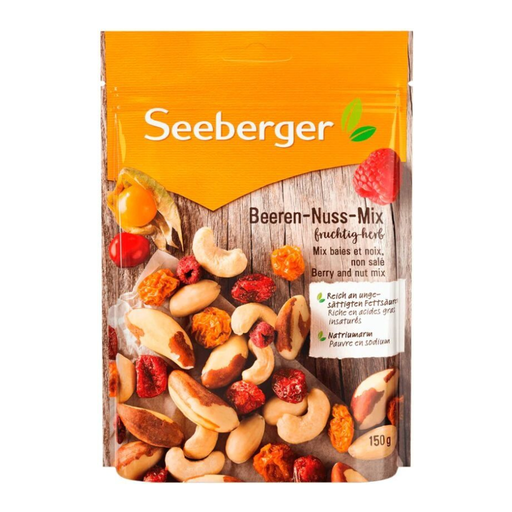
Seeberger Soft Berry & Roasted Nut Mix, 150 g
A fruit and nut mix for anyone who wants to take berries and roasted nuts along together.
Before buying, check the nutritional information and any allergen advice that matters to you. The mix isn’t automatically a substitute for a source of protein you’ve chosen specifically.
View at Joybuy
 No image available
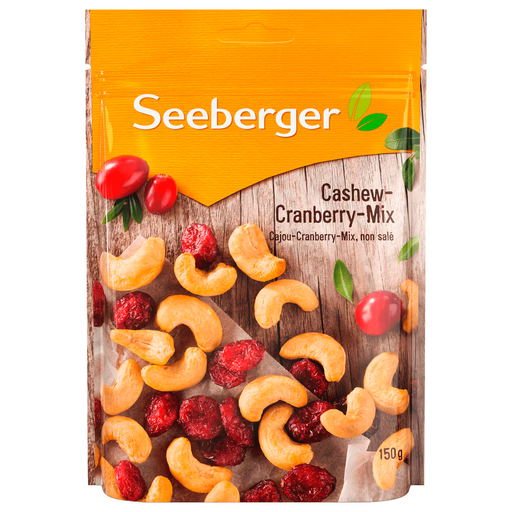
Seeberger Cashew & Cranberry Snack Mix, 150 g
A handy option if you’d like to pack cranberries and cashews together as a snack.
Compare the sugar and protein content per 100 g, along with the ingredients and allergen advice on the pack, when making your choice.
View at Joybuy
 No image available
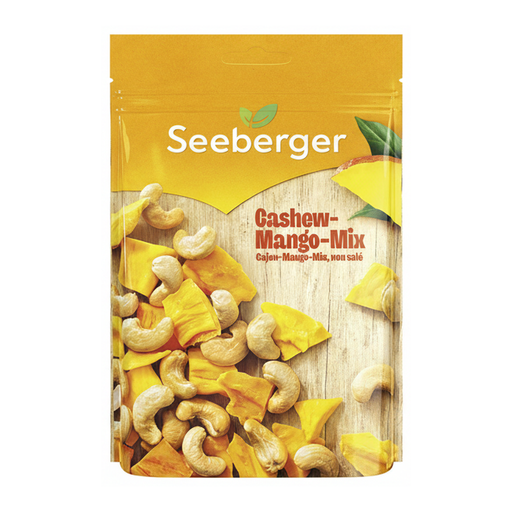
Seeberger Cashew & Mango Mix, 150 g
If you’d like to pair mango with cashews, this fruit and nut mix could be just the thing.
As well as protein and sugar, check the ingredients and allergen advice, particularly if sulphites or nuts are a concern for you.
View at Joybuy
 No image available
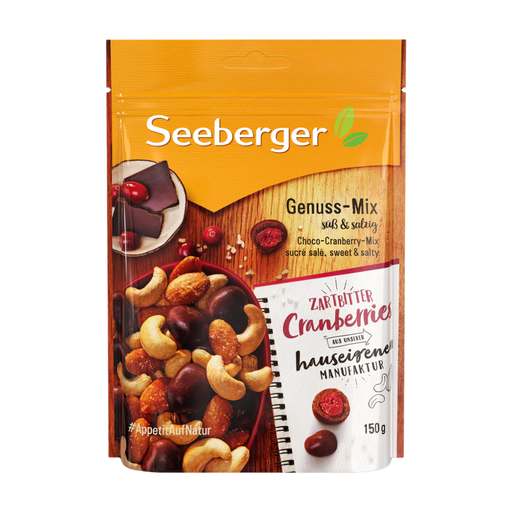
Seeberger Pleasure Nut & Fruit Mix, 150 g
This nut and fruit mix is an option if you’re after a mixed snack rather than dried fruit on its own.
Check the ingredients, allergens and nutritional information on the specific pack before including it in your protein plan.
View at Joybuy
 No image available
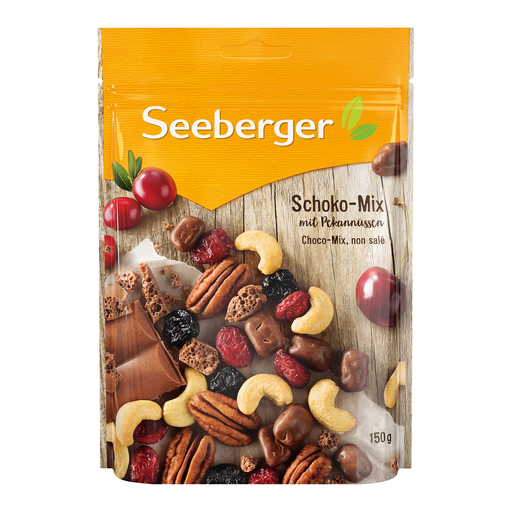
Seeberger Chocolate Nut & Fruit Snack Mix, 150 g
If you’d like chocolate alongside fruit and nuts, this mix fits the flavour profile you’re looking for.
For a comparison with the other mixes, check the sugar, protein and allergen information on each pack.
View at Joybuy
Frequently asked questions
Are dried fruits enough on their own for a protein-focused festival snack?
The plain dried fruits checked aren’t a reliable option on their own: EDEKA states that its dried mango strips contain 2.3 g of protein per 100 g, while ALDI SÜD lists 3 g per 100 g for its figs. If protein is a priority for your festival food, check for a separate source of protein too.
How can I spot sulphur dioxide or sulphites in dried fruit?
Check the ingredients and allergen information on the specific pack for sulphur dioxide, sulphites or the relevant additive names. If you need to avoid these substances, don’t choose a product based on its colour or name alone.
Does ‘no added sugar’ mean that dried fruit is low in sugar?
No. The sugar naturally present in the fruit remains in the product even when no sugar has been added. Compare the sugar content per 100 g and check the ingredients list to see whether, for example, a cranberry variety also contains added sugar.
How should I store opened dried fruit at a festival?
Seal the pack tightly or transfer any leftovers to an airtight container. The German Federal Centre for Nutrition recommends storing food supplies somewhere cool, dry and as dark as possible. Throw away any products with visible signs of pests.
What else should I check when choosing fruit and nut mixes?
Check the ingredients list, any highlighted allergens and the nutritional information for the specific mix. If nuts, other ingredients or sulphites are a concern for you, the general description ‘fruit and nut mix’ isn’t enough to make your choice.


