If fat content is your main consideration when watching football, it’s worth comparing classic dried fruit with fruit crisps using the nutritional information per 100 g and the ingredients list. The fat figures published by EDEKA for mixed dried fruit and fried banana chips are very different. If you’re mainly after a crunch, you could look at freeze-dried fruit; sugar and energy per 100 g are important points to compare here, too.
Who this choice matters to
Shoppers keeping an eye on fat content
If you’d rather have sweet dried fruit than oil-based fruit crisps while watching the match, compare the fat per 100 g and the ingredients. EDEKA lists very different fat figures for its mixed dried fruit and fried banana chips.
Shoppers looking for something crunchy
If you mainly want a crisp alternative to crisps, you could compare freeze-dried fruit with soft dried fruit. The consumer advice centre points out that removing water concentrates the sugar and energy per 100 g.
Shoppers who check ingredients carefully
If you need to take added sugar, oil or sulphur dioxide into account, check the specific pack. The Federal Centre for Nutrition also highlights the concentrated natural sugar in dried fruit.
What to look for when buying
First, decide whether a lower fat content or a crunchy texture matters more to you. Then compare the nutritional information per 100 g, the ingredients and the pack size of the products you’re considering.
| What to consider |
What to check when buying |
Who it matters to |
| Fat and oil |
Fat and saturates per 100 g; oil in the ingredients list. |
If I’m considering fruit crisps instead of other snacks, I want to know their fat content before treating them as equivalent to dried fruit. This is a priority for around 36% of shoppers. |
| Sugar and additives |
‘Of which sugars’ per 100 g; added sugar and sulphur dioxide in the ingredients list. |
A low fat content alone isn’t enough for me if I also want to consider sugar and certain additives. Around 29% of shoppers make this their main priority. |
| Texture |
Whether the fruit is soft, freeze-dried or fried. |
When watching the match, I want something crunchy, so I’d be more likely to pass on soft dried fruit. This texture is the most important factor for around 21% of shoppers. |
| Pack and storage |
Net weight and instructions for sealing and storing. |
For a match night, I want to choose a suitable amount and be able to store any leftovers afterwards. Around 14% of shoppers put this first. |
Common misconceptions
-
Treating banana chips as ordinary dried fruit
The type of product makes a difference: EDEKA states that its banana chips made with coconut oil contain 27,8 g of fat per 100 g, compared with 0,3 g per 100 g for its dried mixed fruit.
Compare the fat content of the specific product and check the ingredients of fruit crisps for oil.
-
Confusing ‘no added sugar’ with sugar-free
Dried fruit still contains natural sugar, even when no sugar has been added. According to the consumer advice centre, removing water concentrates the sugar and energy per 100 g in freeze-dried fruit.
Alongside the ingredients list, check the ‘of which sugars’ and energy figures per 100 g. For a match night, you can portion out the amount you want into a bowl beforehand.
-
Overlooking additive and allergen information in mixed fruit
The dried mixed fruit described by EDEKA contains, among other things, sunflower oil and sulphur dioxide. The term ‘mixed fruit’ alone doesn’t tell you what’s in it.
If you have any intolerances, check the ingredients list and allergen labelling on the specific pack, rather than relying on information about a different variety from the same brand.
Brands to help you choose
Seeberger
Seeberger offers classic and soft dried fruit, as well as freeze-dried fruit.
- Its freeze-dried range offers a crunchy alternative to soft dried fruit.
- If you want to compare ingredients or nutritional values, check the details for the individual product; claims about the range are no substitute.
REWE Beste Wahl / REWE Bio
These ranges include freeze-dried strawberries, organic apple crisps and sweetened organic banana chips.
- You can compare the different product types by how they’re processed and what they contain.
- The term ‘fruit crisps’ alone doesn’t tell you the fat content or whether sugar has been added.
EDEKA Herzstücke
Under this own-label brand, EDEKA describes both dried mixed fruit and fried, sugared banana chips.
- According to EDEKA, the mixed fruit described contains 0,3 g of fat per 100 g.
- EDEKA says the banana chips described contain 27,8 g of fat per 100 g; the mixed fruit also lists sunflower oil and sulphur dioxide.
FARMER NATURALS
ALDI SÜD sells, among other things, prunes under the FARMER NATURALS brand.
- For the prunes described, ALDI SÜD gives a fat content of 0,5 g per 100 g.
- ALDI SÜD notes that products may vary between suppliers. For comparison, use the nutritional information on the pack you buy.
Alesto
Lidl describes dried fruit alongside nuts and other snacks under the Alesto brand.
- The dried fruit mentioned by Lidl includes mango strips.
- The brand covers different types of products, so check the fat content and ingredients for the individual item.
Dried fruit at Joybuy
This selection includes soft dates, jujubes, mango products and a dried fruit mix for anyone considering dried fruit instead of crunchy fruit crisps while watching football. As well as the fruit and texture you’re after, check the ingredients and nutritional information on each pack to help you choose between the products.
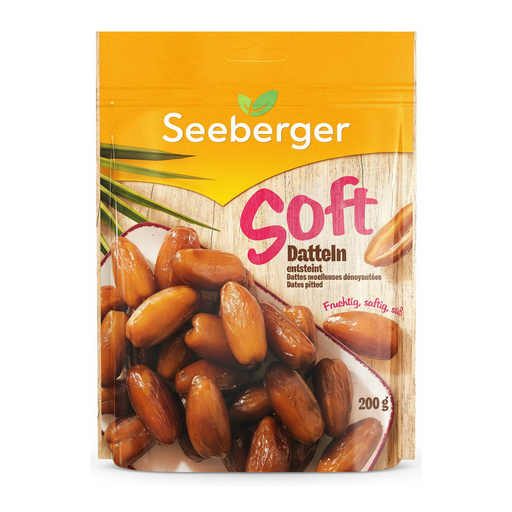 Image unavailable
Seeberger Soft Deglet Nour Dates, 200 g
A soft date option if you’d rather snack on dried fruit than crunchy crisps during the match. The pack contains 200 g; compare the sugar and fat per 100 g as well when choosing.
View at Joybuy
 Image unavailable
Haoxiangni Grade A No-Wash Jujubes, 500 g
Jujubes are another dried fruit option if you’re not after a crunchy snack while watching the match. For a 500 g pack, it’s worth thinking about how much you need and how you’ll store it after opening.
View at Joybuy
 Image unavailable
Seeberger Soft Dried Mango Slices, 100 g
This soft option is a good fit if you prefer mango slices with a softer texture. The pack contains 100 g; check the ingredients and allergen labelling when choosing.
View at Joybuy
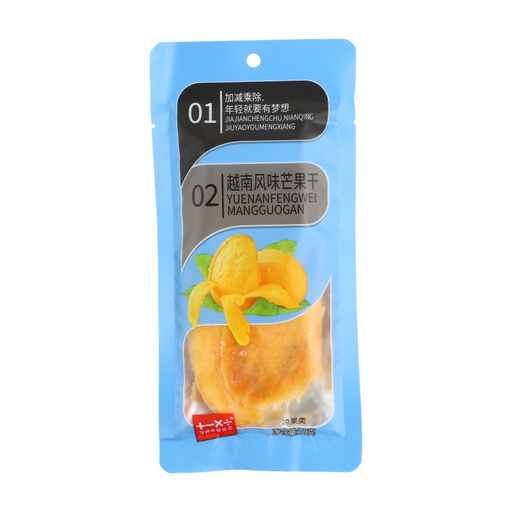 Image unavailable
Jia Jian Cheng Chu Vietnamese Dried Mango, 70 g
A dried mango option in a 70 g pack for a match night. As well as fat and sugar, compare the salt, ingredients and allergen information on the pack.
View at Joybuy
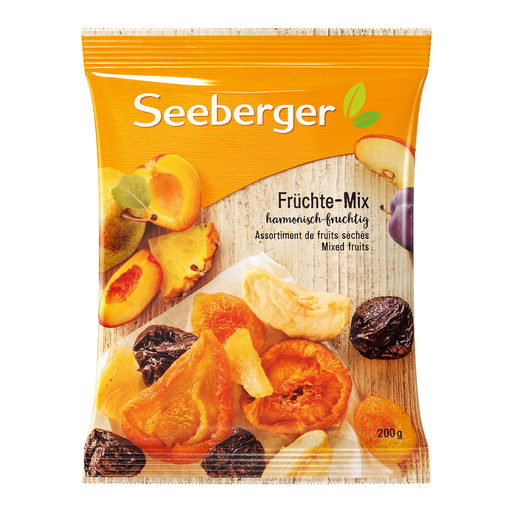 Image unavailable
Seeberger Soft Dried Fruit Mix, 200 g
A soft mix for a little variety during the match if you don’t want to stick to just one type of fruit. The pack contains 200 g; with mixed products, the ingredients and allergen information are especially important when choosing.
View at Joybuy
Frequently asked questions
Are freeze-dried fruits automatically the lighter choice?
No. A crunchy texture alone doesn’t tell you anything about sugar or energy. According to the consumer advice centre, removing water concentrates both per 100 g, so compare the nutritional information for the specific product.
Is dried fruit with no added sugar sugar-free?
No, the fruit’s natural sugar is still there. The Federal Centre for Nutrition notes that drying concentrates it; the ‘of which sugars’ figure per 100 g is useful when comparing products.
How can I spot additives and allergens that must be declared?
Read the ingredients list and allergen labelling on the specific pack. For example, EDEKA lists sunflower oil and sulphur dioxide in its dried mixed fruit; this information doesn’t apply to every dried fruit mix.
How should I store dried fruit once opened?
Follow the storage instructions on the pack and seal it well after opening. For dried plums, EDEKA recommends storing them in a cool, dry place and advises against keeping them in the fridge.


