A larger pack of dried fruit makes sense for the family cupboard if you regularly use the same variety for breakfast, baking or snacking. The ingredients and how you store the pack once opened also matter, as does who will be eating it: a standard-sized pack isn’t automatically a suitable snack for a baby or toddler.
Who is a larger pack suitable for?
Households that use dried fruit regularly
If you often use dried fruit in muesli, baking or snacks, you could buy a larger pack. Seeberger, ALDI SÜD and REWE, among others, sell 500 g formats. This quantity makes sense if you’re likely to use it all.
Parents who check ingredients carefully
With dried fruit, it’s worth checking the ingredients list, sugar content and highlighted allergens. Recipes vary: for example, the mixed dried fruit described by EDEKA contains potassium sorbate and sulphur dioxide.
Families with a toddler who eats with them
If you’re planning to give dried fruit to a toddler too, you’ll need to consider the shape, size of the pieces and eating situation separately. The Verbraucherzentrale advises serving small foods that can be swallowed easily in an appropriate way. This doesn’t mean that a standard pack of dried fruit is automatically suitable for babies.
What should you look for when choosing?
First, think about which fruit you use regularly and how you’ll store the pack once it’s open. Then check the ingredients and nutritional information. If a toddler will be eating it too, make sure it’s served in a suitable way.
| What matters |
What to check when buying |
Who it matters most to |
| Pack size |
Pack weight and storage instructions. Does the quantity suit how often you use it? |
If I often use the same fruit for breakfast or baking, I want to buy a pack we’ll use up. For around 33% of consumers, having enough in the cupboard is the main priority. |
| Ingredients and labelling |
Ingredients list, highlighted allergens and ‘of which sugars’ per 100 g. |
I want to know whether the fruit contains any other ingredients and what the nutritional information tells me. Around 27% of consumers prioritise this. |
| Everyday use |
Fruit type and packaging: will you eat it as it is or use it as an ingredient? |
Between breakfast and everything else I need to do, I want fruit that doesn’t need much preparation. This convenience is the main priority for around 20% of consumers. |
| Toddlers eating with you |
Piece size, texture and any possible stones; an eating situation that suits the child, with supervision. |
If my toddler wants to eat with us, I don’t decide based on the pack alone. I also consider their ability to chew and the shape of the fruit. For around 20% of consumers, planning for this takes priority. |
Which mistakes can you avoid?
-
Assuming ‘no added sugar’ means ‘sugar-free’
Fruit still contains its natural sugars, even when no sugar has been added. The Verbraucherzentrale explains that removing water concentrates the sugar per 100 g; this is particularly relevant for freeze-dried fruit.
Check the ‘of which sugars’ line in the nutritional information per 100 g rather than relying on the front of the pack alone.
-
Treating sulphured and unsulphured varieties as the same
Recipes can vary even within the dried fruit category. EDEKA lists sulphur dioxide and potassium sorbate in its mixed dried fruit, while other products have a shorter ingredients list.
Check the ingredients list and highlighted allergens on the specific pack. A picture of the fruit is no substitute for this information.
-
Offering a large pack as a snack for children
A large pack doesn’t tell you whether individual pieces of fruit are suitable for a toddler in terms of their shape and texture. Small foods can be swallowed easily.
Keep your supplies out of reach of young children. If a toddler is eating with you, assess the fruit itself, prepare it in an age-appropriate way and supervise them while they eat.
Key brands to consider
Seeberger
The range includes various dried fruits, such as dates, plums and sultanas. Seeberger also sells 500 g packs of some varieties.
- Seeberger also describes some varieties as unsulphured, with no added sulphur dioxide.
- Pack sizes and varieties differ depending on the fruit. Check the information for the variety you’ve chosen.
ja! (REWE)
REWE sells ja! dried plums in a 500 g pack.
- The product information says they’re pitted, rehydrated plums and recommends storing them in a dry place away from heat.
- According to REWE, the recipe contains the preservative potassium sorbate as well as plums and water.
EDEKA Herzstücke
Under this brand, EDEKA describes a 250 g mixed dried fruit pack with a resealable bag.
- The pack combines several types of fruit.
- EDEKA lists potassium sorbate and sulphur dioxide. Always check the specific pack for ingredients and allergens.
FARMER NATURALS (ALDI SÜD)
ALDI SÜD sells, among other products under this brand, dried plums and unsulphured sultanas in 500 g packs.
- A 500 g format is listed for both types of fruit.
- ALDI SÜD notes that suppliers and nutritional information may vary. So check the current pack.
Alesto (Lidl)
Lidl’s Alesto range includes nuts, dried fruit and other snacks.
- Lidl lists, among other products, mango strips with no added sugar.
- According to Lidl, these mango strips contain naturally occurring sugars. Check the pack size and information for the variety you’re considering.
Dried fruit at Joybuy
This selection includes jujubes, sultanas and dried plums for your household supplies. The 900 g pack of jujubes is divided into smaller packs, but that doesn’t automatically make them a suitable snack for babies or toddlers.
 No image available
Haoxiangni Grade A No-Wash Jujubes, 500 g
For households that want to use jujubes regularly. The pack contains 500 g; ‘No-Wash’ describes this variety. You’ll need to assess separately whether the fruit is suitable for a toddler eating with you.
View at Joybuy
 No image available
Changsi Dried Red Dates, 500 g
A 500 g pack of dried jujubes for households that want to keep this fruit in stock. ‘Red Dates’ refers to jujubes here, not the dates found in other dried fruit ranges. Check the size and how they’re served separately if giving them to young children.
View at Joybuy
 No image available
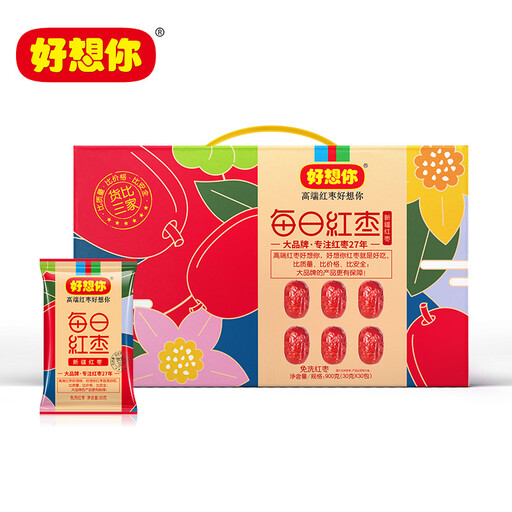
Haoxiangni Ready-to-Eat Red Dates, 900 g (30 × 30 g)
For households that want to store jujubes in individually wrapped portions. The 900 g pack contains 30 portion packs of 30 g each. Check these fruits for stones; portioning alone doesn’t make them suitable for toddlers.
View at Joybuy
 No image available
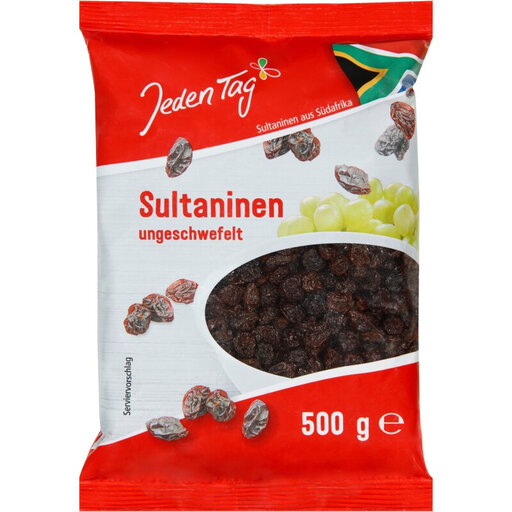
Jeden Tag Sultanas, 500 g
For households that regularly use sultanas in baking or at breakfast. The pack contains 500 g. Check the ingredients when you open it and reseal the pack after use. Don’t give small fruits to a toddler without checking they’re suitable.
View at Joybuy
 No image available
Seeberger Pitted Soft Dried Plums, 500 g
A 500 g pack for households that regularly use dried plums as a snack or ingredient. ‘Pitted’ doesn’t rule out the occasional fragment of stone, so check the fruit especially carefully if children will be eating it too.
View at Joybuy
Frequently asked questions
When does a 500 g pack make sense for the family cupboard?
If you regularly use the same dried fruit and can store the opened pack properly and use it all. A larger pack alone doesn’t tell you whether it suits your household’s needs or the ingredients you’re looking for.
Is dried fruit with no added sugar sugar-free?
No. The fruit’s natural sugars are still there. The Verbraucherzentrale notes that removing water concentrates the sugar per 100 g, so check the ‘of which sugars’ figure in the nutritional information too.
How can I tell if dried fruit contains sulphur dioxide?
Check the ingredients list and highlighted allergens on the pack. EDEKA lists sulphur dioxide in its mixed dried fruit. Under the labelling rules explained by the European Union, any allergens present must be highlighted in the ingredients list.
Can a toddler eat dried fruit from the family cupboard?
Not necessarily: the fruit and the way it’s served need to suit the child’s age, ability to chew, the size of the pieces and any stones. The Verbraucherzentrale recommends serving small foods that can be swallowed easily in an appropriate way. It’s important to supervise children while they eat; a standard pack of dried fruit can’t be assumed to be suitable for babies.


