Hikers on shorter routes
If you want to take a snack for your break without having to portion it out, look for small packs and easy-to-eat pieces. REWE specifically recommends dried fruit as a snack for your hiking rucksack.


For a single hike, a small, ready-to-go pack is handy if you don’t want to portion anything out. If you hike regularly, a larger pack gives you more flexibility to portion it yourself. Whichever format you choose, check the ingredients and nutritional information for the specific variety. Dried fruit can complement your hiking food, but it’s no substitute for planning your drinks.
If you want to take a snack for your break without having to portion it out, look for small packs and easy-to-eat pieces. REWE specifically recommends dried fruit as a snack for your hiking rucksack.
If you want a snack that’s easy to reach for during a break, dried fruit can be part of your provisions. The German Alpine Club lists a handful of dried fruit as one option when your energy dips, while also emphasising the importance of planning your drinks.
If you want to choose a particular type of fruit and check the ingredients in each pack, you can portion out dried fruit yourself before setting off. This is especially useful if added ingredients or information about sulphur dioxide and allergens affects your choice.
First decide whether you want a snack that’s ready to grab without any preparation or whether you’d rather portion it yourself. Then compare the ingredients and nutritional information for the varieties you’re considering.
| What to consider | What to check when buying | Who it matters to |
|---|---|---|
| Snacks for longer hikes | Check the shape of the pieces and the nutritional information, especially the carbohydrates per 100 g. | On longer stretches, I want a snack I can eat during a break without preparing it first. Around 31% of consumers put this need first; the German Alpine Club lists dried fruit as one possible option for hiking provisions. |
| Ready-to-go portions | Compare pack sizes and individually wrapped portions. | For a short hike, I don’t want to have to weigh or portion out a snack before my break. Around 25% of consumers prioritise having a portion ready to grab. |
| Checking the ingredients | Read the ingredients list, sugars per 100 g, and any information about sulphur dioxide and allergens. | If I’m looking for a particular combination of ingredients, I don’t want to assume what’s in a product based on the name “fruit snack” alone. Checking the ingredients is the main priority for around 25% of consumers. |
| Portioning it yourself | Check the pack size and whether it can be stored after opening. | For regular hikes, I want to choose the variety and amount I take with me. Around 19% of consumers value this flexibility above all. |
The product name doesn’t tell you everything about the ingredients. The NutriPur Bio Fruchtsnacks Tropic Mix, for example, also lists sweetened cubes made from a coconut milk preparation; REWE gives its sugar content as 67 g per 100 g.
If you’re looking for fruit and nothing else, read the ingredients list on the specific pack. To compare similar products, also check the “of which sugars” figure per 100 g.
ALDI SÜD labelled a 25 g fruit snack as a limited-quantity special. It may be a good size for a single break, but that doesn’t mean it will be available on your next shop.
If you want to take the same pack with you regularly, check whether it’s currently available and consider keeping a self-portionable alternative in mind.
The German Alpine Club lists dried fruit as a possible addition to your hiking provisions, but treats staying well hydrated as a separate part of your planning.
Plan your drinks to suit the hike, and don’t treat a snack as a substitute for them.
The type of fruit and the brand alone won’t tell you exactly what else is in the pack. The information on the specific pack is especially important if you’re sensitive to certain ingredients.
Before buying, check the ingredients list and any information about sulphur dioxide or sulphites and other allergens.
Seeberger offers a range of dried fruit in different pack sizes. It may be worth a look if you want to choose a single variety for your hikes.
At REWE, you can compare dried fruit from different brands and own-label ranges.
EDEKA offers individual dried fruit varieties and organic options, which you can compare using the information for each specific product.
Alesto offers dried fruit and nuts at Lidl. For a hiking snack, it’s the specific variety and pack that matter.
ALDI SÜD offers both larger packs of dried fruit and small fruit snacks, making them useful options in different formats.
Options to take with you include individually wrapped dates and fruit snacks in 50, 80 and 100 g packs. Which pack you take with you or portion out in advance will depend on your hike and the ingredients in the product.
 No image available
The individual 30 g packs are handy if you want to take a portion for a break without packing it yourself first. Check whether the dates contain stones before eating.
 No image available
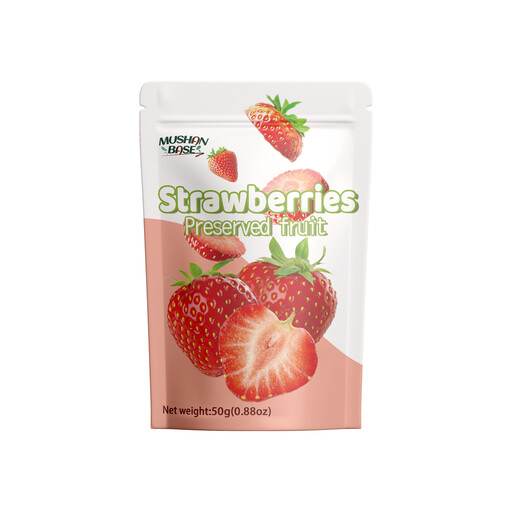
The 50 g pack is an option if you’re looking for a strawberry fruit snack to take with you. If you want to avoid added sugar, read the ingredients list before buying.
 No image available
The 80 g pack is a good choice if you want to take apple rings with you and portion them out yourself. If you’re sensitive to sulphites, check the labelling. And if you plan to enjoy them over several breaks, see how the pack can be resealed once opened.
 No image available
The 100 g pack is worth considering if you want to portion out mango slices for one or more breaks. If you need to avoid certain ingredients, read the ingredients list and sulphite information on the pack.
 No image available
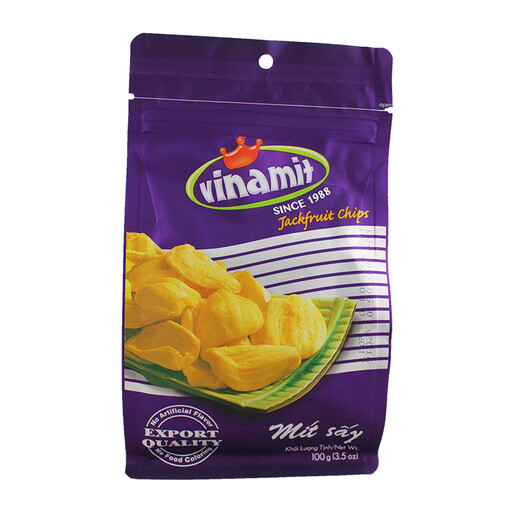
The 100 g pack is easy to portion yourself if you want to take jackfruit snack pieces with you. Check the ingredients list if you’re looking for fruit with no other ingredients.
Dried fruit is no substitute for planning your drinks. The German Alpine Club lists it as a possible snack when your energy dips; what else you need to eat and drink will depend on the hike and its conditions.
No. Even without added sugar, dried fruit contains naturally occurring fruit sugars. If you want to compare products, read both the ingredients list and the “of which sugars” figure per 100 g.
Read the ingredients and allergen information on the specific pack. If you’re sensitive to certain ingredients, general information about the brand or type of fruit isn’t a reliable basis for choosing a product.
Seal it again and store it somewhere cool and dry. EDEKA recommends storing dried fruit in a cool, dry place; also follow the instructions on the specific pack.