Parents keeping an eye on fat content
When choosing a quick snack, you’ll want to know whether added oil affects the fat content. Compare the nutritional information per 100 g and read the ingredients list, especially for crunchy fruit products.


For a snack cupboard with as little fat as possible, it’s worth looking at plain dried fruit and fruit crisps separately. EDEKA’s dried apricots contain 0.4 g of fat per 100 g, while its banana chips made with coconut oil contain 27.8 g per 100 g. Check the ingredients and sugar content of each product, as well as any sulphites; if a toddler will be eating them too, texture and piece size are also important.
When choosing a quick snack, you’ll want to know whether added oil affects the fat content. Compare the nutritional information per 100 g and read the ingredients list, especially for crunchy fruit products.
You want to make an informed choice about sugar, honey and additives. For sulphured dried fruit, it’s also important to check the labelling for sulphur dioxide and sulphites; a short product name is no substitute for checking the packaging.
If a child will be eating the snack too, fat content isn’t the only thing to consider. The Gesund ins Leben network recommends limiting sugar and snack products for toddlers, and highlights the choking risk posed by hard pieces of food.
First decide whether the dried fruit is just for adults or for a toddler too. Then compare the fat content, ingredients and portion size you’re looking for.
| What to check | Check when buying | Especially important for |
|---|---|---|
| Fat content | Compare the fat per 100 g and, for fruit crisps, check the ingredients list for coconut oil, coconut fat or other oils. | If I want dried fruit as a snack, I don’t want added oil to influence my choice without me noticing. Around 50% of consumers would make fat content their most important buying criterion. |
| Sugar and ingredients | Check the sugar per 100 g, ingredients list and, where applicable, sulphur dioxide and sulphites. | When choosing what to keep in my cupboard, I want to know what the product contains besides fruit and how much sugar it has overall. Around 30% of consumers would put transparency about ingredients and sugar first. |
| Toddler eating too | Consider the child’s age, the texture and the size of the pieces before serving; hard pieces can pose a choking risk. | If my toddler will be eating too, the way the food is served needs to suit their stage of development. Around 20% of consumers would prioritise checking this. |
How a product is made can make a significant difference: EDEKA lists 27.8 g of fat per 100 g for its banana chips made with coconut oil, compared with 0.4 g per 100 g for its dried apricots.
If you’re looking for a low-fat option, compare the nutritional information for the same weight and check whether oil has been added.
Even with no added sugar, dried fruit contains naturally occurring sugar. EDEKA says that the sugar content of dried fruit ranges from 50 to 70% depending on the variety.
Look at the sugar content per 100 g and your planned portion separately from whether sugar has been added.
Sulphured apricots may contain sulphur dioxide or sulphites. EDEKA lists these substances as a preservative and allergen in its sulphured apricots.
If you have a relevant allergy or sensitivity, check the ingredients and allergen information on the current packaging.
A dried fruit snack that’s suitable for adults isn’t automatically suitable for serving to a toddler. The Gesund ins Leben network specifically warns about the choking risk posed by hard pieces of food.
Consider the child’s age and ability to chew, as well as the texture and size of the pieces in the specific product. If you’re unsure how to serve it, seek professional advice.
The dried fruit range includes unsulphured apricots, soft fruit and banana chips.
Product information for apricots, mixed dried fruit and banana chips shows how ingredients and fat content vary across the dried fruit category.
The range also includes sweetened organic banana chips.
The exotic dried fruit range includes a banana option.
Lidl’s Alesto brand covers nuts, dried fruit and party snacks.
This selection includes dried fruit products for your snack cupboard. The date products are available as pitted fruit or slices; for the white peach, take particular care to check the fat content on the current packaging.
 No image available
An option if you’re looking for pitted dried fruit for your own snack cupboard. Compare the fat and sugar per 100 g on the packaging when making your choice; if a toddler will be eating too, consider the texture and how it’s served separately.
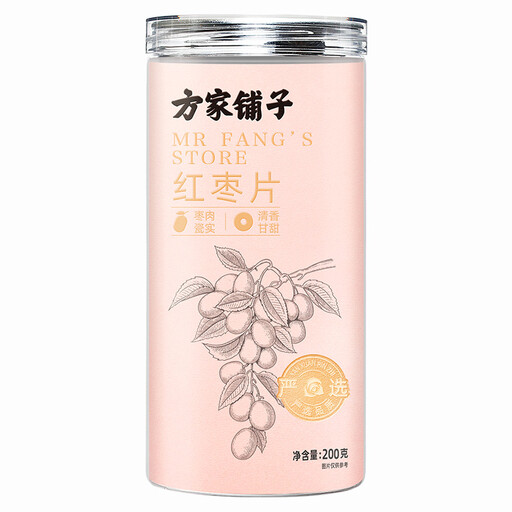 No image available
The sliced format could suit you if you want to enjoy dried dates as a snack or use them as an ingredient. Check the fat and sugar per 100 g on the packaging, and consider the size of the pieces separately if a toddler will be eating too.
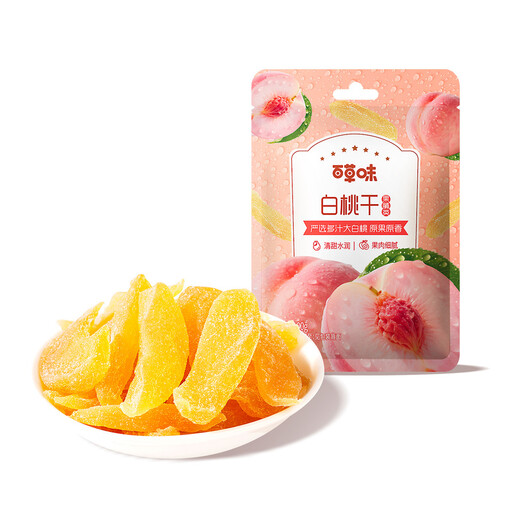 No image available
This dried peach could be a fruit snack option if you also want to consider added sugar and other ingredients. If you’re choosing based on fat content, use the current nutritional information on the packaging, as the product details are inconsistent.
Not simply because they’re made from fruit. EDEKA lists 27.8 g of fat per 100 g for its banana chips made with coconut oil; a KoRo product listed by REWE with no added sugar contains 31 g per 100 g, according to its product information. Compare the nutritional information and ingredients of the specific products you’re considering.
No. The claim doesn’t refer to the fruit’s naturally occurring sugar. EDEKA puts the sugar content of dried fruit at 50 to 70% depending on the variety, so the sugar per 100 g and the portion size are also relevant when choosing.
Check the ingredients and allergen information on the packaging. For its sulphured apricots, EDEKA lists sulphur dioxide as a preservative and identifies sulphur dioxide or sulphites as an allergen.
There’s no blanket answer for every product. The Gesund ins Leben network recommends limiting sugar and snack products for toddlers, and warns about the choking risk posed by hard pieces of food. Consider the child’s age and ability to chew, as well as the texture and size of the pieces, before offering them dried fruit.