People who snack throughout a longer games night
If the bowl is within reach over several rounds, checking the energy value per 100 g and portioning out a set amount in advance can be particularly helpful.


For a calorie-conscious games night, compare the energy values per 100 g on dried fruit and portion out the amount you want in advance, rather than leaving a large pack open on the table. Soft prunes and soft apricots differ from crunchy freeze-dried berries mainly in texture; none of these types is automatically low in calories. And ‘no added sugar’ does not tell you how much naturally occurring sugar a product contains.
If the bowl is within reach over several rounds, checking the energy value per 100 g and portioning out a set amount in advance can be particularly helpful.
If you fancy something crunchy instead of soft fruit pieces, consider freeze-dried berries. But your preferred texture is no substitute for comparing nutritional values.
If your fellow players want to avoid sulphur dioxide or ask about added sugar, check the ingredients list and allergen information on the specific pack before you buy.
First decide how much you want to put out on the games table. Then compare products using the same 100 g reference and choose the texture and ingredient labelling that suit you.
| What to consider | What to check when buying | Who it matters most to |
|---|---|---|
| Energy and portion size | Compare kcal per 100 g and portion out the amount you want before the game. | If I might keep reaching for more throughout several rounds, I want to decide in advance how much to put in my bowl. This is the main consideration for around 38 % of consumers. |
| Texture at the games table | Choose between soft dried fruit and freeze-dried fruit; check the storage instructions. | I’m looking for a crunchy fruit snack that’s easy to eat while playing. This is the top priority for around 23 % of consumers. |
| Ingredients and sulphur dioxide | Read the ingredients list and allergen information; don’t assume ‘no added sugar’ means low in sugar. | When I choose snacks for fellow players, I need to be able to see whether sulphur dioxide is listed and what else has been added. Around 23 % of consumers prioritise this. |
| Pack size for your group | Check the pack size against the amount you need for the number of people playing. | For a larger group, I want to put out enough without leaving the whole multipack on the table. The right pack size is the main priority for around 16 % of consumers. |
Dried fruit can contain plenty of naturally occurring sugar, even without added sugar. The claim alone tells you neither the sugar content nor the energy per portion.
Compare the sugar and kcal values per 100 g in the nutrition information, and take into account how much you’ll actually put in your bowl.
An open multipack makes it easy to keep reaching for more during a long game. The AOK suggests around 25 g as a guide to a portion of dried fruit; the pack size doesn’t define what a portion is.
Before the game starts, portion some into individual bowls or cups and store the rest separately.
Sulphur dioxide may be used in dried fruit. For one sulphited apricot product, EDEKA lists it as a preservative and includes sulphur dioxide and sulphites in the allergen information.
If you want to avoid sulphur dioxide, check the ingredients list and allergen information for the specific product.
Texture is no reliable guide to a calorie advantage: REWE lists Seeberger freeze-dried raspberries at 303 kcal per 100 g, while ALDI SÜD lists FARMER NATURALS prunes at 221 kcal per 100 g. These figures are for two specific products, not all berries and prunes.
Choose freeze-dried fruit for the texture you want, and compare energy values separately.
The range includes both soft and freeze-dried fruit, offering options for different texture preferences on games night.
The apricot products listed show why it’s worth checking the ingredients and nutritional values of each variety individually.
The prunes listed by ALDI SÜD are an example of a larger pack that you can portion out into several bowls.
Lidl’s Alesto range includes dried fruit, and its mango strips are described as one of the fruit options.
This selection includes prunes, dates, red date slices and dried apricots to portion out for games night. Before deciding, compare the nutritional values on the specific packs; a large pack doesn’t define a portion.
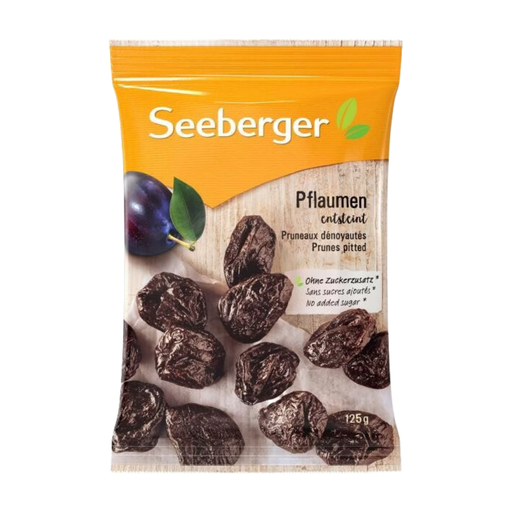 No image available
An option if you’d like to portion out soft prunes for games night. Compare the nutritional values and check the ingredients list on the specific pack; stones may occasionally remain despite the prunes being pitted.
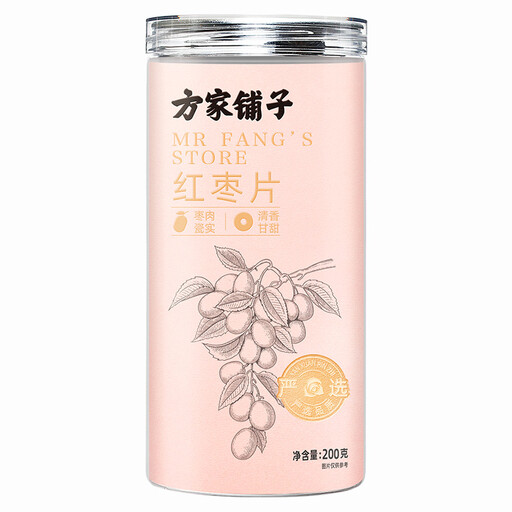 No image available
The sliced format is handy if you want to share out fruit pieces without having to cut them up. For your comparison, check the energy and sugar values on the pack, and store any leftovers in a dry place.
 No image available
The 500-g pack could be a good choice if you want to portion out prunes for several people. Check the ingredients and nutritional values on the pack; stones may still occasionally be found in pitted prunes.
 No image available
If you’d like to serve dates, you can take the amount you need from this 500-g pack in advance. Compare their nutritional values with those of other dried fruit instead of assuming the fruit type tells you its energy content.
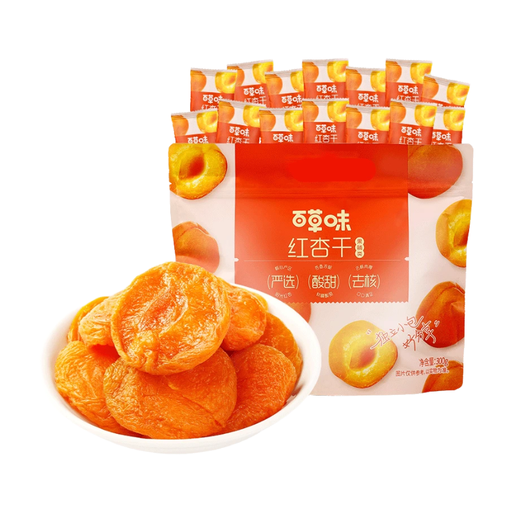 No image available
These dried apricots are another fruit option to portion out for games night. The 300-g pack isn’t a single portion, so check the ingredients, nutritional values and the amount you want before serving.
Yes, if you choose a specific product based on its nutritional values and portion out the amount you want in advance; dried fruit isn’t automatically low in calories. The North Rhine-Westphalia Consumer Advice Centre notes that removing water from fruit can concentrate its sugars.
No. The claim refers to added sugar, not the fruit’s naturally occurring sugar. Lebensmittelklarheit explains the difference; to check the actual amount, compare the sugar value per 100 g.
Check the ingredients list and allergen information on the specific pack for sulphur dioxide and sulphites. EDEKA, for example, includes this information for its sulphited apricots; you can’t assume the same applies to other apricot products.
Compare the energy and sugar values per 100 g, then check that the pack size suits the portions you’re planning. If ingredients matter to your fellow players, read the ingredients list and allergen information too, and follow the storage instructions after opening.