What should you look for when buying?
Start by checking your guests’ specific requirements. Then choose the fruit and check the ingredients, allergen information and nutrition details on the packs you’re planning to serve.
| Consideration | What to check | Who it matters to |
|---|
| Allergens and cross-contamination |
Check which allergens are highlighted in the ingredients list and look for any ‘may contain’ warnings on the current pack. |
If a guest needs to strictly avoid an ingredient, I want to be able to check the pack rather than rely on the type of fruit. This clarity is the top priority for around 36% of consumers. |
| Sulphur dioxide and sulphites |
Look for ‘unsulphured’ on the pack, and check the ingredients and allergen information for sulphur dioxide or sulphites. |
If I want to serve fruit without added sulphur dioxide, I need a clearly labelled option. Around 29% of consumers prioritise checking sulphites and ingredients. |
| Choice and serving separately |
Choose individual products rather than unclear mixes, and serve dried fruit separately from nut snacks. |
For guests with different preferences, I want to offer several varieties without mixing them in one bowl. Having separate options is the most important consideration for around 21% of consumers. |
| Sugar and portion size |
Check the sugar content per 100 g in the nutrition information, and don’t assume ‘no added sugar’ means low in fructose. |
If the amount a guest can tolerate is a concern, I want to offer small portions and let them choose. This takes priority for around 14% of consumers. |
Brands to consider
A brand can help you find a suitable variety, but whether it’s right for a particular guest depends on the individual product and its current labelling.
Seeberger
Seeberger offers dried fruit, including one variety of apricots explicitly labelled as unsulphured.
- The Seeberger product page describes these apricots as unsulphured.
- Seeberger also sells sulphured dried fruit. The information about the apricots doesn’t apply to other varieties or rule out possible cross-contamination.
EDEKA Herzstücke
Fruit mixes from this own-label range may suit you if you’re happy to check the ingredients of each mix individually.
- Sulphur dioxide and sulphites are clearly listed for one dried fruit mix, so you can assess this option by checking its labelling.
- This fruit mix isn’t suitable for guests who need to avoid sulphites. Always check the information on the pack you’ve bought.
Alesto
Lidl describes its Alesto range as including dried fruit, nuts and party snacks.
- The range gives you a starting point for finding varieties of fruit that can be served separately.
- The brand name doesn’t distinguish between dried fruit and nut-based snacks. Check each product individually and keep the bowls separate if guests have specific requirements.
FARMER NATURALS
ALDI SÜD’s range includes products such as dried mango.
- ALDI SÜD describes the featured mango product as vegan.
- ALDI SÜD lists several possible suppliers for the mango. Check the ingredients and allergens on the pack of the variety you choose.
Dried fruit at Joybuy
This selection includes sultanas, jujubes and dates for serving in separate bowls. If guests have specific requirements relating to allergens or sulphites, check the labelling on each pack to decide whether the product is suitable to serve.
 No image available
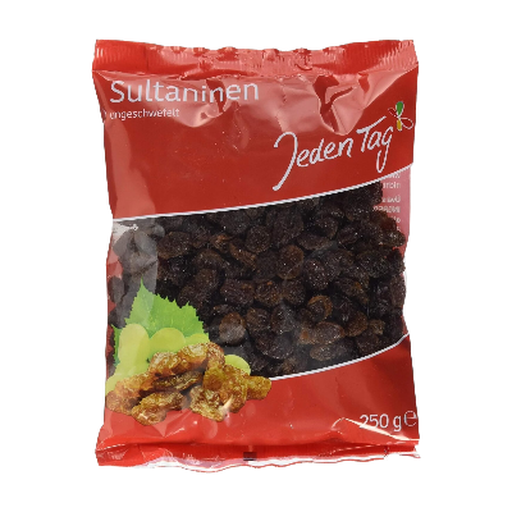
Jeden Tag Sultanas, 250 g
For a bowl of sultanas all on their own. The pack contains 250 g. Before serving, check the current information on ingredients, sulphites and possible traces.
View at Joybuy
 No image available
Haoxiangni Grade A No-Wash Jujubes, 500 g
For a separate bowl of jujubes, if you’d like to offer this type of fruit. This Grade A No-Wash variety contains 500 g. Check the pack for information on sulphites and allergens.
View at Joybuy
 No image available
Haoxiangni Grade 2 Fresh-Locked Pitted Red Dates Original Flavour, 280 g
For a bowl of pitted jujubes, so there’s no need to remove the stones when serving. This Original Flavour variety contains 280 g. Check the pack for ingredients, sulphites and possible traces.
View at Joybuy
 No image available
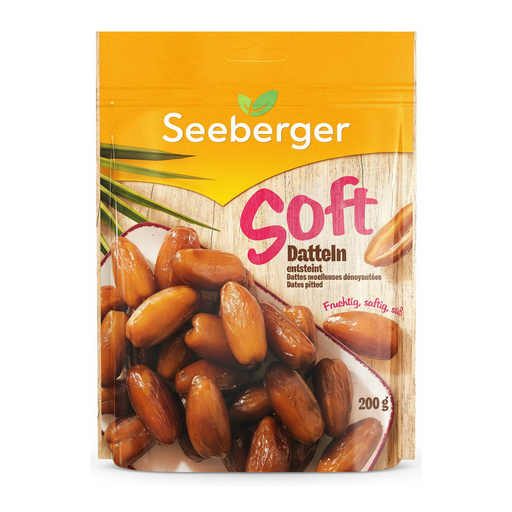
Seeberger Soft Deglet Nour Dates, 200 g
For a separate bowl of Deglet Nour dates. This Soft variety contains 200 g. Check the specific pack for allergens, sulphites and other ingredients.
View at Joybuy
Frequently asked questions
Are dried fruits automatically allergen-free if no allergenic ingredient is listed?
No. This doesn’t rule out possible cross-contamination. Lebensmittelklarheit explains that mandatory labelling applies to allergenic ingredients that have been deliberately added, while warnings about possible traces are voluntary. If a guest has strict requirements, check the specific pack and contact the manufacturer if you need to clarify anything.
Are unsulphured dried fruits suitable for everyone?
No. ‘Unsulphured’ means that no sulphur dioxide has been added, but it doesn’t answer questions about other ingredients, possible cross-contamination or how much an individual can tolerate. Check each of these separately for the product you’ve chosen.
How can I spot sulphur dioxide or sulphites on the pack?
Check the ingredients list and allergen information for ‘sulphur dioxide’ and ‘sulphites’. For example, EDEKA lists sulphur dioxide as an antioxidant in one dried fruit mix, and identifies sulphur dioxide and sulphites as allergens. The information on the pack you’ve bought is what matters when making your choice.
Does ‘no added sugar’ mean dried fruit is low in fructose?
No. This refers to added sugar, not the amount of naturally occurring sugar or how well an individual can tolerate it. EDEKA notes that dried fruit can contain significant amounts of fructose. Guests with specific requirements should decide for themselves what to choose and how much to eat.
How should I store opened dried fruit for the party?
Follow the storage instructions on the relevant pack and seal the fruit well after opening. EDEKA recommends storing dried mango in a cool, dry place away from light. This specific guidance doesn’t replace the instructions for other products.


