What should you look for when buying?
Start by comparing the nutritional information for similar dried fruits. Then check the ingredients and think about what you’d like to offer your guests before deciding which packs to put on the table.
| What to consider |
What to check |
Who it matters to |
| Energy and sugar |
Compare the calories and ‘of which sugars’ per 100 g for similar products. Also think about how much you’ll actually serve. |
If I’m preparing several snack bowls, I want to be able to compare the energy and sugar values rather than rely on the impression the type of fruit gives. Around 42% of consumers would put this comparison first. |
| Ingredients and allergens |
Read the ingredients list and allergen information on the specific pack, particularly details about sulphur dioxide and sulphites. |
If guests need to avoid certain ingredients, the information on the pack matters more to me than a lower calorie count. This check would be the main priority for around 33% of consumers. |
| Variety to share |
Check the types of fruit, texture and pack size; if needed, check whether the pack can be resealed. |
I want to cater for different preferences and divide the fruit between several bowls. For around 25% of consumers, this variety to share would be the most important reason to buy. |
Dried fruit at Joybuy
This selection includes soft and classic dried fruit to share or serve in individual snack bowls. Alongside the type of fruit and pack size, the nutritional information and ingredients on the specific pack will help you decide which one is right for your shop.
 No image available
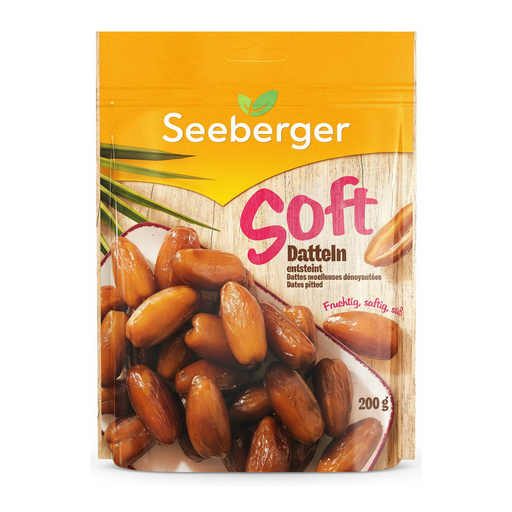
Seeberger Soft Deglet Nour Dates, 200 g
If you’re looking for soft dates to serve in a snack bowl, this 200 g pack is one option. Before buying, compare the nutritional information with that of other dried fruit, and check the ingredients and allergens.
View at Joybuy
 No image available
Seeberger Dried Apple Rings, 80 g
This 80 g pack is a good option if you’re putting together a selection that includes apple rings. Check the nutritional information per 100 g, along with the ingredients and allergen information on the pack.
View at Joybuy
 No image available
Changsi Dried Red Dates, 500 g
This 500 g pack could be a good choice if you want to share red dates between several snack bowls. Plan how much you’ll serve, and check the nutritional information, ingredients and allergens on the pack before serving.
View at Joybuy
 No image available
Seeberger Soft Dried Mango Slices, 100 g
If you’d like to add soft mango strips to your selection, this 100 g pack gives you another type of fruit to choose from. As with the other products, compare the calories and sugar per 100 g, and check the ingredients and allergen information on the pack.
View at Joybuy
Frequently asked questions
Is dried fruit automatically low in calories?
No. Drying removes water, which concentrates the sugar and energy per 100 g, as the German Federal Centre for Nutrition explains. If calories matter for your garden party, compare the calorie information on the packs.
Is dried fruit with no added sugar sugar-free?
No. ‘No added sugar’ doesn’t mean the fruit contains no naturally occurring sugars. The Baden-Württemberg Consumer Advice Centre advises against treating this claim as meaning sugar-free. The sugar value in the nutritional information is also important when comparing products.
How can I tell whether dried fruit has been treated with sulphur?
Check the ingredients and allergen information for sulphur dioxide or sulphites. REWE lists sulphur dioxide in its ja! apricots, while EDEKA lists it in its Fruchtiges Mischobst fruit mix. Always use the label on the specific pack to guide your choice.
Is freeze-dried fruit suitable for a garden party?
Yes, if you’d like to add a crunchy texture. But that doesn’t automatically make it lower in calories than classic dried fruit: the Baden-Württemberg Consumer Advice Centre explains that freeze-drying also concentrates the sugar and calories per 100 g.
What should I bear in mind when serving from an opened pack in the garden?
Follow the storage instructions on the pack and protect the fruit from moisture and heat while serving. For its ja! apricots, for example, REWE recommends storing them in a dry place away from heat.


