Hosts looking at fat content
You want to choose dried fruit for your Halloween party with a fat content you can verify. What matters is the figure per 100 g on the specific pack, not the general impression that fruit makes a healthy snack.


For a Halloween party with low-fat dried fruit, the fat content on the specific pack is what matters: according to the consumer advice centre, solid foods can be labelled “low fat” if they contain no more than 3 g of fat per 100 g. Freeze-dried fruit makes a crunchy snack, while soft fruit has a softer texture; neither is automatically low in fat. For your guests, also check the sugar content, ingredients and any information about sulphur dioxide or sulphites.
You want to choose dried fruit for your Halloween party with a fat content you can verify. What matters is the figure per 100 g on the specific pack, not the general impression that fruit makes a healthy snack.
If your guests need to avoid certain ingredients, check the ingredients list and allergen information before serving. For fruit mixes, it’s particularly important to look for added oil and sulphur dioxide or sulphites.
A dry snack bowl calls for a different texture from soft canapés or baked goods. Choose a type of fruit that suits how you plan to serve it.
If “low fat” is your buying criterion, start by checking the fat content per 100 g. Then compare the sugar content and ingredients of the specific variety, and only then decide which texture will work best for your buffet.
| Criterion | What to check | Who it matters to |
|---|---|---|
| Fat content | Check the fat per 100 g on the specific pack. For solid foods to be labelled “low fat”, the consumer advice centre sets a limit of no more than 3 g per 100 g. | If I want to offer a low-fat party snack, I need a figure I can check for that exact variety. For around 31% of consumers, fat content is the main consideration. |
| Sugar and portions | Compare “of which sugars” per 100 g and decide how much to serve. “No added sugar” does not mean low in sugar. | A large bowl makes it harder for me to keep track of how much is being served, even if the snack is low in fat. Around 25% of consumers focus primarily on sugar and portion size. |
| Ingredients and allergens | Read the ingredients list and highlighted allergen information on the pack, especially for mixes and when serving guests with a sensitivity to sulphites. | If guests have relevant intolerances, I need to be able to check whether a fruit mix is suitable before serving it. Ingredients and allergens are the priority for around 25% of consumers. |
| Texture | Consider freeze-dried fruit for a crunchy bowl and soft fruit for soft canapés; check the fat content separately, whatever the texture. | If I’m planning a bowl of dry snacks, I’ll choose a different type of fruit from the one I’d serve in soft canapés. The right way to serve it is the main consideration for around 19% of consumers. |
A low fat content doesn’t tell you how much sugar a product contains. EDEKA gives a general sugar content of 50 to 70% for dried fruit; when choosing, check the nutritional information for the specific variety.
Compare fat, sugar and energy per 100 g, then think about how you’ll divide the fruit between bowls or smaller portions.
A fruit mix doesn’t necessarily contain fruit alone. For example, EDEKA’s Herzstücke mixed fruit includes sunflower oil and sulphur dioxide.
Read the ingredients list and allergen information on the actual pack before serving. If you have guests with a sensitivity to sulphites, have a clearly labelled suitable alternative ready and serve it separately.
Seeberger describes its freeze-dried fruit as crunchy and its soft fruit as soft. So what works in a bowl of dry snacks may not be the best choice for canapés.
Choose the texture to suit how you’ll serve it: crunchy fruit for dry snack bowls, softer varieties for canapés or recipes. Check the fat content separately for each option.
The ranges below show different fruit types and mixes. Information about ingredients or nutritional values applies only to the specific products mentioned, not to every product from a brand.
Seeberger sells classic dried fruit, soft fruit and freeze-dried fruit.
REWE’s range lets you compare different types of dried fruit and own-label products.
The Herzstücke mixed fruit listed by EDEKA is an example of a dried fruit mix that can be shared.
Lidl describes Alesto as a range of nuts, dried fruit and party snacks.
The FARMER NATURALS prunes listed by ALDI SÜD are an option if you’re looking for a larger pack of soft fruit.
This selection includes dried jujubes, peaches and mango, as well as a mix of preserved plums for smaller portions or sharing at a Halloween party. To see whether a specific pack is suitable for a low-fat spread and your guests, check its nutritional information, ingredients and allergen details.
 No image available
The 500 g pack could work for a sharing bowl of jujubes. Before serving, compare the fat and sugar per 100 g and decide how much to offer.
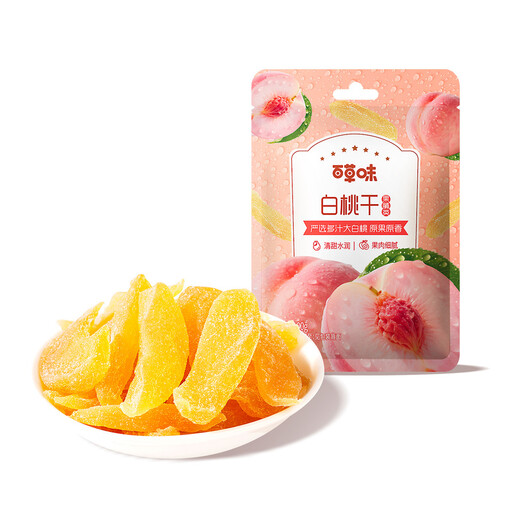 No image available
The 100 g pack could work for smaller portions of soft peach pieces. According to the product information, it contains added sugar, so check the sugar content per 100 g too.
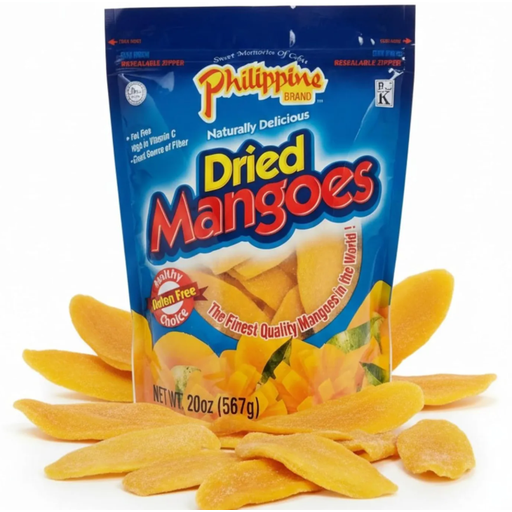 No image available
The 100 g pack offers dried mango for smaller snack portions. According to the product information, it contains added sugar and sulphur dioxide or sulphites; check the ingredients and allergen information before serving.
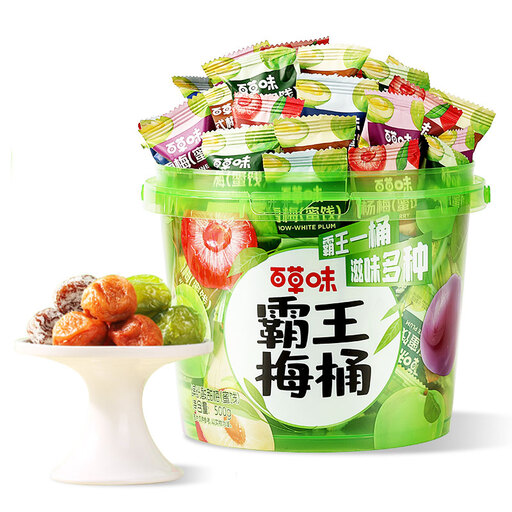 No image available
The 500 g tub of preserved plums could work for a sharing selection, but it isn’t a simple mix of dried fruit. If you’re hosting a children’s party, pay particular attention to the information about sulphites and the warning about the Ponceau 4R colouring on the pack; check the salt content too.
As the consumer advice centre explains, solid foods can only be labelled “low fat” if they contain no more than 3 g of fat per 100 g. Check the fat content on the specific pack; the type of fruit or a similar-looking pack isn’t enough to confirm it.
No. The absence of added sugar doesn’t, by itself, mean the total sugar content is low. The fruit’s natural sugars are also included under “of which sugars” in the nutritional information, so compare the figures per 100 g.
If any of your guests react to sulphur dioxide or sulphites, check the allergen information on the specific pack before serving and choose a suitable alternative for them. The Federal Office of Consumer Protection and Food Safety explains how allergenic substances must be labelled; some dried fruit mixes, such as the EDEKA mixed fruit mentioned above, list sulphur dioxide in their ingredients.
For dried plums, EDEKA recommends a cool, dry place at around 7 to 10 °C and sealable, lightproof containers. Also follow the storage instructions on the pack you’ve bought.