People planning their protein intake
You’d like to include dried fruit as a snack but choose your protein source separately. What matters is the protein content of the portion you actually eat, not just how the snack is described.


If you choose dried fruit as a fruity snack as part of a high-protein diet, it’s best to plan your protein source separately. A low fat content doesn’t tell you how much protein it provides. For the portion you plan to eat, compare fat, protein and sugar, as well as the ingredients. ‘No added sugar’ doesn’t mean sugar-free.
You’d like to include dried fruit as a snack but choose your protein source separately. What matters is the protein content of the portion you actually eat, not just how the snack is described.
You’re looking for a fruity snack and don’t want to assume that plain dried fruit has the same nutritional profile as nut mixes or chocolate-coated options.
You want to know whether sugar or sulphur dioxide has been added to a product. To do so, check the ingredients alongside the nutritional information and details on the packaging.
First, decide what role you want the dried fruit to play in your snack. Then compare the nutritional values per 100 g and work them out for the portion you plan to eat. If there are additional ingredients, check the specific product packaging.
| Criterion | What to check | Who it matters to |
|---|---|---|
| Protein content | Check the protein in g per 100 g and calculate how much is in the portion you plan to eat. | If I want my snack to contribute to my protein plan, I need to know how much protein the portion actually contains. Around 42% of consumers put this contribution first when choosing. |
| Fat content | Compare the fat per 100 g in the specific products you’re considering; assess the protein content separately. | For a fruity snack, I want to know the fat content without assuming that it means there’s a lot of protein. This is the main consideration for around 33% of consumers. |
| Sugar and ingredients | Check the sugar per 100 g, the ingredients list and any information about sulphur dioxide. | If I want to distinguish between sweetened and unsulphured options, I need the details for the specific pack. This question about ingredients is the main purchasing consideration for around 25% of consumers. |
These figures measure different things. REWE lists Biofarm organic apricots as containing 0.8 g of fat and 2.7 g of protein per 100 g. So a low stated fat content doesn’t answer the question of how much protein the product provides.
Work out the protein content for the portion you plan to eat and choose the other parts of your snack separately.
Verbraucherzentrale points out that this claim doesn’t rule out naturally occurring sugar. That’s why the stated sugar content matters when comparing portions of dried fruit.
Read the ingredients list and compare the sugar per 100 g, as well as the amount you plan to eat.
REWE explicitly lists sulphur dioxide as a preservative in the ingredients for Meienburg Jumbo Apricots. ‘Unsulphured’ refers to a different choice of ingredients, but doesn’t indicate a particular protein or sugar content.
If you want to avoid sulphur dioxide, check the product description and ingredients list on the specific pack.
Seeberger offers a range of dried fruit options. The type of fruit, ingredients and processing used for each product matter more when choosing than the brand name alone.
At REWE, you can compare specific dried fruit products by checking their ingredients and nutritional information.
The EDEKA24 range includes various dried fruits, including apricots and Khidri dates.
The dried apricots in this range show why fat, protein and sugar need to be considered together.
These dried fruits could work as a fruity addition alongside a separately planned source of protein. Pack size and the specific nutritional information can help you choose. A product isn’t automatically a source of protein for your whole snack just because it’s dried fruit.
 No image available
An option if you’d like pitted red dates as a fruity addition and plan your source of protein separately.
Compare the nutritional values for the portion you plan to eat with the rest of your snack, particularly the protein and sugar content.
 No image available
For anyone planning to include dried red dates as the fruit part of a snack, available in a 500 g pack.
Check the protein, fat and sugar content for the amount you actually plan to eat, rather than treating the whole pack as one portion.
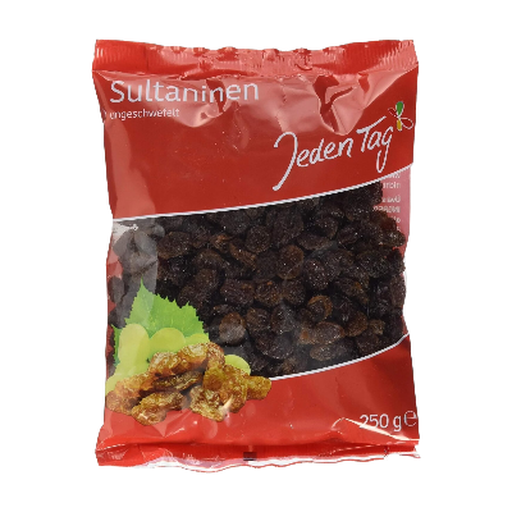 No image available
A 250 g option if you’re looking for sultanas to add to a snack.
For comparison, check the ingredients and nutritional information per 100 g. Assess the protein contribution for your portion separately.
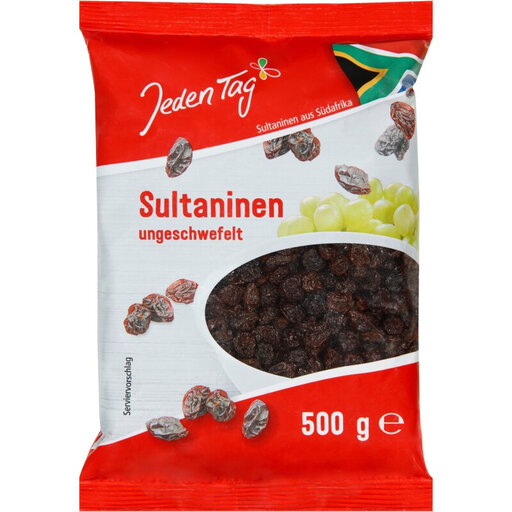 No image available
The 500 g option could suit you if you want to use sultanas as the fruit part of your snack.
If you want sultanas as the only ingredient, pay particular attention to the sunflower oil in the ingredients list. Don’t assume its nutritional values are the same as those of the 250 g option.
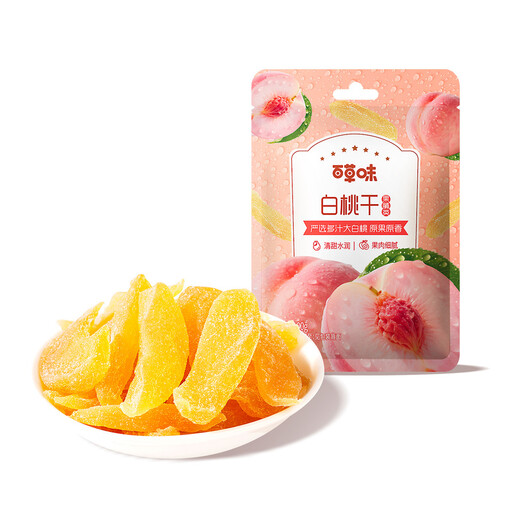 No image available
An option if you’d like dried white peaches and want to check for additional ingredients before buying.
For this product, the ‘Zero-fat’ claim conflicts with the stated value of 1.8 g of fat per 100 g. Check the nutritional information on the pack. If added sugar will affect your choice, read the ingredients list too.
No. Verbraucherzentrale explains that ‘no added sugar’ doesn’t rule out naturally occurring sugar. So check the sugar per 100 g and take the portion you plan to eat into account.
Check the ingredients list for sulphur dioxide. It’s listed as a preservative in the Meienburg Jumbo Apricots sold by REWE. For your choice, always rely on the details on the specific pack.
No, because fat content doesn’t tell you how much protein a product provides. The Biofarm organic apricots listed by REWE contain 0.8 g of fat and 2.7 g of protein per 100 g. So plan your source of protein separately from the dried fruit.