Households avoiding sulphites
If someone in your household needs to avoid sulphur dioxide or sulphites, check the labelling on every pack. The type of fruit or the claim ‘unsulphured’ tells you nothing about all the other ingredients and allergens.


Choose dried fruit for your weekly shop by checking the ingredients and allergen information on the specific pack, rather than relying on the fruit or brand alone. ‘Unsulphured’, ‘no added sugar’ and ‘gluten-free’ answer different questions. What you need to check depends on what you need or want to avoid; and no added sugar doesn’t mean dried fruit is low in sugar.
If someone in your household needs to avoid sulphur dioxide or sulphites, check the labelling on every pack. The type of fruit or the claim ‘unsulphured’ tells you nothing about all the other ingredients and allergens.
If you’re looking for dried fruit with no added sugar, pay particular attention to the ingredients list, especially on mixed packs. To compare the total sugar content, also check the nutrition information per 100 g: naturally occurring sugar is still present even when no sugar has been added.
If you need to follow a strictly gluten-free diet, an explicit gluten-free claim is more useful than assuming a fruit contains no grains naturally. The ingredients list is still important for checking other ingredients and allergens.
First, work out which ingredient or claim matters most to your household. Then compare pack sizes and storage instructions to find an amount that suits your weekly shop.
| What to check | What to look for | Who it matters to |
|---|---|---|
| Sulphur dioxide and sulphites | Look for ‘unsulphured’ and check the pack’s ingredients and allergen information for sulphur dioxide, sulphites and sodium metabisulphite. | If I need to avoid sulphites, I want to know whether they’re present even in a dried fruit mix. This check is a priority for around 36% of consumers. |
| Added sugar and ingredients | Check the ingredients list for added sugar and other ingredients; compare the total sugar content using the nutrition information per 100 g. | I want my cupboard snacks to contain no added sugar, without overlooking naturally occurring sugar. Around 29% of consumers put this concern first. |
| Gluten-free labelling | If you need to follow a strict gluten-free diet, look for an explicit gluten-free claim and check the ingredients list as well. | If I shop strictly gluten-free, the type of fruit alone isn’t enough to help me decide. A clear claim is the main concern for around 14% of consumers. |
| Stocking up and pack size | Compare the pack weight with how much you need and follow the storage instructions on the specific pack. | For my weekly shop, I want to buy only as much dried fruit as I can store and use properly. This is the main consideration for around 21% of consumers. |
The claim relates to sulphuring, not to all the possible ingredients or allergens in a product.
Use it as a first check, then read the ingredients list and allergen information on the specific pack.
Dried fruit contains naturally occurring sugar even when no sugar has been added. Removing the water increases the proportion of sugar by weight.
Distinguish between the ingredients information and the total sugar figure in the nutrition information per 100 g.
The Seeberger fruit mix listed by REWE contains, among other ingredients, sugar, sodium metabisulphite and sulphur dioxide. The ingredients in this mix don’t necessarily apply to other products from the same brand.
Check the full ingredients list on every mix, especially if you want to avoid sulphites or certain additives.
ALDI SÜD notes that products may come from different suppliers and that nutrition information can vary.
Check the current pack even when the brand and variety are familiar.
With Seeberger, it’s worth comparing individual dried fruits with processed mixes.
Product-specific information can help you check whether a dried fruit or mix meets your requirements before you buy.
Information about a specific mix shows why you need to check the variety if you’re avoiding sulphites.
Lidl’s Alesto range includes dried fruit, too. Check the information for the specific variety you’re choosing.
When you buy regularly, the current labelling on your chosen product is just as important as the pack size.
This selection includes pitted and sliced dates and red dates for snacking and cooking. If you want to avoid added sugar or need to follow strict gluten-free or sulphite requirements, check the current labelling on each individual product before choosing.
 No image available
A handy store-cupboard supply of pitted dates. If you need to avoid gluten or sulphites strictly, check the relevant information on the current pack.
 No image available
A smaller pack of pitted red dates. Check the current labelling to see whether this variety meets your requirements for added sugar, gluten and sulphites.
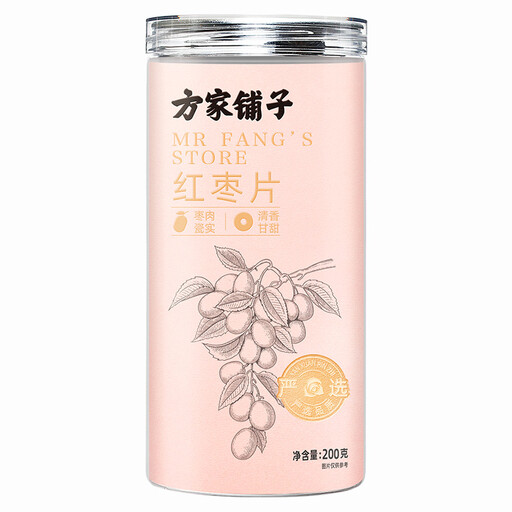 No image available
The sliced format is a good option if you want to use red dates as an ingredient. For a no-added-sugar option, check the ingredients list; to see the total sugar content, check the nutrition information on the pack.
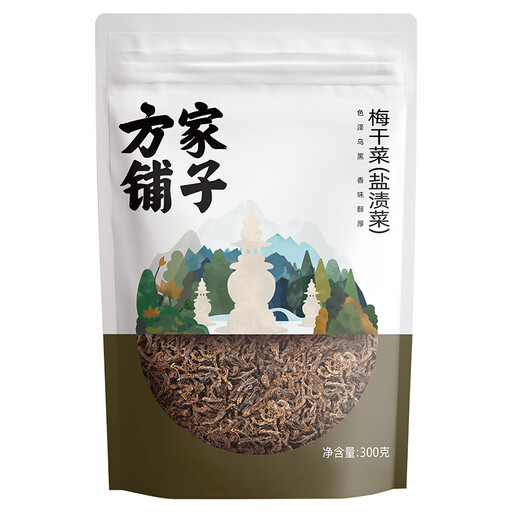 No image available
A larger pack of pitted jujubes for households stocking up. Before buying, compare the ingredients and nutrition information on the specific pack; using a single fruit as an ingredient doesn’t automatically mean it’s low in sugar.
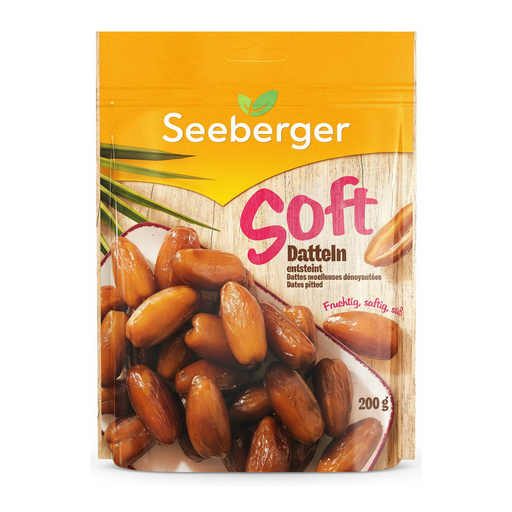 No image available
A smaller Deglet Nour pack for your weekly shop. If you need to avoid added sugar or strictly avoid gluten and sulphites, check the relevant information on the current pack.
No. Ingredients and allergens that must be labelled vary from product to product. Check the ingredients and allergen information on every pack, especially for mixes.
No. ‘Unsulphured’ refers to sulphuring, not added sugar. Check the ingredients list for added sugar; you can compare naturally occurring sugar using the nutrition information per 100 g.
Look for an explicit gluten-free claim rather than assuming a fruit is suitable based on its type alone. Also check the ingredients list for any other ingredients that matter to you.
Follow the instructions on the specific pack. For dried mango, EDEKA recommends cool, dry storage in a sealed, light-proof container; instructions may differ for other products.