A 500 g pack of dried fruit can be a good choice for a regular snack stash, provided you use it up in time and store it in a cool, dry place in a tightly sealed container once opened. Compare the unit price for the same type of fruit, then check the ingredients and sugar content. If you’d rather have a small, crunchy portion, freeze-dried fruit could be a better fit.
Which pack size is right for you?
Households that snack regularly
If dried fruit is a regular feature on your afternoon table, a larger pack could suit your needs. Seeberger, for example, offers several classic varieties in 500 g packs. The key things to consider are the unit price for each type of fruit and whether you’ll use up the pack.
Shoppers who check the ingredients
If you want to factor in added sugar, candied ingredients or sulphur dioxide when choosing, check the ingredients list and nutrition information on the specific pack. For allergens, it’s also important to check the labelling and any ‘may contain’ warnings.
Shoppers who prefer small, crunchy portions
For a snack on the go or at work, a small pack of freeze-dried fruit may suit you better than a large sharing bag. REWE, for example, sells a freeze-dried fruit mix in a 25 g pack; the unit price is still worth comparing.
What should you look for when buying?
Start by choosing the type of fruit and snack format you want. Then compare pack sizes for similar varieties and check the information on the packaging before buying a larger amount.
| What to consider |
What to check |
Who it matters to |
| Unit price and consumption |
Compare pack size and unit price per kilogram for the same type of fruit; choose a pack size that matches how much you actually eat. |
If you snack on dried fruit regularly, you’ll want a pack you can finish. For around 36% of shoppers, the balance between pack size and consumption is the main consideration. |
| Ingredients and sugar |
Check the ingredients list, sugar per 100 g and whether sulphur dioxide or sulphites are listed; for mixes, check for other allergens too. |
If added sugar or certain ingredients are key to your choice, the labelling for the specific variety matters more than the bag size. Around 29% of shoppers prioritise this. |
| Snack format |
Compare classic and freeze-dried options, pack sizes and nutrition information for the portion you’ll actually eat. |
For snacking on the go, a defined, crunchy portion may matter more than a large pack. Around 21% of shoppers prioritise this. |
| Storage after opening |
Read the storage instructions and make sure you have a tightly sealed container for keeping the fruit somewhere cool and dry. |
If you’ll use a bag gradually, take particular care to store the opened pack safely. This is the priority for around 14% of shoppers. |
Common buying and storage mistakes
-
Looking only at the price of the bag
A 500 g pack isn’t automatically cheaper just because it’s larger. Even two unit prices tell you little if they’re for different types of fruit, as the products may not suit the same snacking needs.
Compare the unit price per kilogram for the same or a very similar type of fruit, and buy only as much as you’re likely to use.
If you buy too much and don’t use it, the food may spoil and need to be thrown away.
-
Assuming ‘no added sugar’ means ‘sugar-free’
Dried fruit without added sugar still contains fruit sugars. According to the Federal Centre for Nutrition, removing water during drying also concentrates the sugar content.
Check the sugar content per 100 g and take account of the portion you actually eat. For mixes, also check whether sugar, syrup or candied ingredients are listed.
-
Checking only the front of the pack for allergens
Sulphur dioxide and sulphites may be important when choosing a product. Mixes may contain other declared allergens too, so make sure the information relates to the specific pack.
Before buying, check the ingredients list, any highlighted allergens and any ‘may contain’ warnings. Don’t rely on a general description of the type of fruit alone.
-
Leaving an opened large pack unprotected
A large bag is often left open for longer. The Federal Centre for Nutrition recommends storing food supplies in a tightly sealed container in a cool, dry and preferably dark place to help prevent pests.
If needed, transfer the dried fruit to an airtight container and check your supplies regularly.
Brands to consider
Seeberger
Seeberger’s own range includes classic and freeze-dried fruit, with several classic varieties available in 500 g packs.
- Dates, prunes and sultanas are also listed in 500 g packs on the range page.
- The manufacturer’s range information is no substitute for checking the ingredients and nutrition information on the specific product.
REWE Beste Wahl
REWE’s own-brand range includes small packs of freeze-dried fruit as an alternative to a large bag for the cupboard.
- The pack size and nutrition information are provided for the freeze-dried fruit mix.
- A 25 g pack isn’t directly comparable in size to a 500 g large pack.
EDEKA
EDEKA24 lists dried fruit from various brands in a range of pack sizes, including larger packs.
- The EDEKA24 range includes, for example, 500 g of organic raisins and 400 g of organic figs.
- The EDEKA24 range doesn’t reflect the selection at every individual EDEKA store.
ALDI SÜD / FARMER NATURALS
ALDI SÜD sells FARMER NATURALS prunes in a 500 g pack and lists the unit price.
- You can check the pack size and unit price on the specific prune product.
- ALDI SÜD notes that some products may come from different suppliers, so check the information on the pack you buy.
Dried fruit at Joybuy
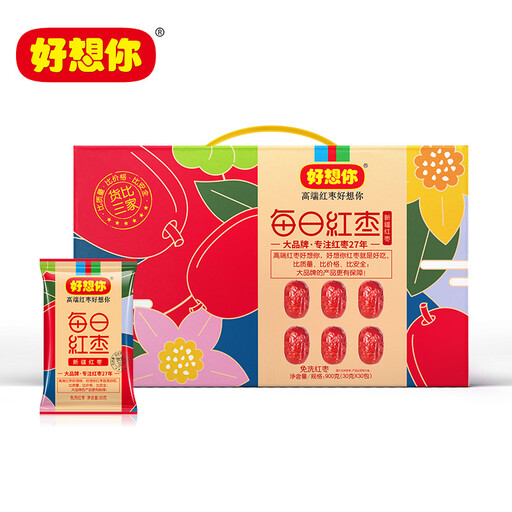
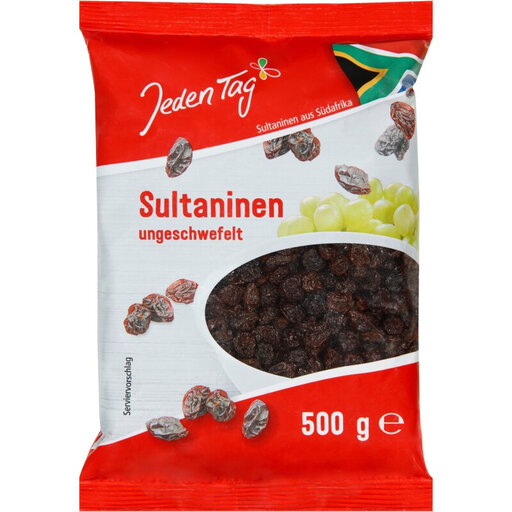
This selection includes four 500 g packs of traditionally dried fruit and a 900 g pack of red dates in 30 individual sachets. For a budget-friendly snack stash, compare the type of fruit you want, the ingredients and the unit price of each product before ordering.
 No image available
Haoxiangni Ready-to-Eat Red Dates 900 g (30 × 30 g)
The individual sachets are handy if you want a larger supply in portioned snacks. The fruit contains stones, so take care when eating it.
View at Joybuy
 No image available
Haoxiangni Grade A No-Wash Jujubes 500 g
This 500 g pack is suited to households that regularly snack on jujubes. The product description says to use them immediately after opening, so bear this in mind when choosing a pack size.
View at Joybuy
 No image available
Seeberger Pitted Soft Dried Prunes 500 g
This pack provides prunes for regular snacking. The ingredients list potassium sorbate as a preservative; despite the ‘pitted’ description, stone fragments may still be present.
View at Joybuy
 No image available
Seeberger Pitted Deglet Nour Dates 500 g
This 500 g pack is a good fit if you eat dates regularly. Check the sugar content per 100 g and store the dates in an airtight container after opening, as instructed in the product description.
View at Joybuy
 No image available
Jeden Tag Sultanas 500 g
This 500 g pack could suit households that regularly snack on sultanas. Sunflower oil is also listed in the ingredients; after opening, the pack should be sealed airtight and used within a few weeks.
View at Joybuy
Frequently asked questions
How can I tell whether a large pack is worth it for me?
A large pack is worth buying as a store-cupboard staple only if its unit price works for you and the type of fruit is one you’ll use. Compare packs of the same or a very similar variety and consider whether you can use up the opened pack in time; 500 g on its own doesn’t guarantee a better price.
Is dried fruit with no added sugar sugar-free?
No. Dried fruit can still contain fruit sugars even without added sugar. The Federal Centre for Nutrition notes that drying concentrates the sugar content. So check the nutrition information per 100 g and, for mixes, the ingredients list too.
When must sulphur dioxide and sulphites be declared?
Sulphur dioxide and sulphites must be declared as allergens when present at a concentration of more than 10 mg/kg or 10 mg/l. Lebensmittelklarheit gives these thresholds for allergen labelling in Germany. If this information matters to your choice, check the ingredients list and highlighted allergens on the specific pack.
How should I store an opened pack of dried fruit?
Store it in a tightly sealed container in a cool, dry and preferably dark place. The Federal Centre for Nutrition recommends these conditions to help prevent stored-food pests; an airtight container is one option. Check supplies that have been stored for a while regularly.


