Dried fruit is not automatically a low-calorie choice for a calorie-conscious late-night snack. Removing the water concentrates the sugar and energy per 100 g, so the German Nutrition Society recommends a smaller portion of dried fruit than fresh fruit. If you fancy dried fruit, plan a small serving and compare the ingredients and nutritional information. For a larger portion with a lower energy density, fresh fruit is a better choice.
Who should pay particular attention to their choice?
Calorie-conscious shoppers
If you fancy something fruity in the evening without planning a large portion of dried fruit, the kcal per 100 g and the amount you actually eat are key. The German Nutrition Society points out that portions of dried fruit should be smaller than portions of fresh fruit because dried fruit contains more concentrated sugar and calories.
Shoppers avoiding added sweeteners
For you, the key question is whether the fruit contains any added sweetening ingredients. Read the ingredients list alongside the nutritional information: as the consumer advice centre explains, dried fruit with no added sugar still contains naturally occurring sugar.
Shoppers sensitive to sulphites
If you need to avoid sulphur dioxide or sulphites, check the specific labelling on dried fruit. This is particularly relevant for pale-coloured fruit; you cannot reliably tell what it contains from its colour alone.
What should you look for when buying?
For a late-night snack, start by deciding how much you want: a small portion of dried fruit serves a different purpose from a larger bowl of fresh fruit. Then use the ingredients list, nutritional information and the texture you prefer to help you choose.
Classic dried fruit
A good choice if: a small portion of soft or chewy fruit is enough for you.
Consider: The German Nutrition Society recommends smaller portions of dried fruit than fresh fruit because its sugar and calorie content is concentrated.
Freeze-dried fruit
A good choice if: you fancy a small amount of fruit with a crunchy texture.
Consider: Here, too, removing the water concentrates the sugar and energy per 100 g. According to the consumer advice centre, freeze-drying is no reason to assume the fruit is lower in calories.
Fresh fruit
A good choice if: you want a larger portion with a comparatively lower energy density for a late-night snack.
Consider: Fresh fruit is not as easy to keep in stock as dried fruit.
| What matters to you |
What to check |
Who it matters to |
| Calories and portion size |
Compare the kcal per 100 g and decide how much you actually want to eat. A small pack is not automatically one portion. |
When I fancy something sweet in the evening, I want to keep an eye on how much I eat rather than just reaching for a whole pack. For around 38% of shoppers, managing energy intake and portion size is a priority. |
| Ingredients and sugar |
Check the ingredients list and the sugar per 100 g; for mixes, look out for syrup and other sweetening ingredients too. |
I want to choose fruit without added sweeteners, but I know it still contains natural sugar. Around 37% of shoppers put clear ingredients information first when making their choice. |
| Texture and keeping it in stock |
Choose between crunchy freeze-dried fruit and softer classic dried fruit; check the specific pack and its labelling. |
If I want something ready to eat for a late-night snack, the type of fruit and how easy it is to keep in stock matter most to me. This is the top priority for around 25% of shoppers. |
Which common misconceptions can make choosing harder?
-
Assuming “naturally sweet” means low in calories
Even without added sugar, dried fruit contains concentrated natural sugars and energy. The German Nutrition Society therefore recommends a smaller portion than you would have of fresh fruit.
Compare the kcal per 100 g and decide how much you want to eat before opening the pack. If a larger portion matters more to you, consider fresh fruit.
-
Looking only for “unsweetened”
The label alone does not tell you whether there are any other ingredients or how much sugar the product contains overall. “No added sugar” does not mean sugar-free either, as Food Clarity and the consumer advice centre explain.
For fruit and fruit mixes, check the ingredients list for sugar, syrup or other sweetening ingredients, and compare the nutritional information too.
-
Assuming freeze-dried fruit is lower in calories
The crunchy texture does not change the fact that removing the water concentrates the sugar and energy per 100 g.
Choose freeze-dried fruit for its texture, and compare the nutritional information and the amount you plan to eat.
According to the consumer advice centre, freeze-dried fruit is usually much more expensive than fresh or frozen fruit.
-
Overlooking the labelling on pale-coloured dried fruit
If you are sensitive to sulphur dioxide or sulphites, the ingredients can affect what you choose. EDEKA points out that pale-coloured dried fruit may be treated with sulphites.
Check the information on the specific pack. For loose products, ask about the ingredients and allergen information rather than trying to guess from the colour.
Brands to help guide your choice
Seeberger
Seeberger offers a range that includes classic dried fruit, soft fruit and freeze-dried fruit.
- The Seeberger range page features products such as unsweetened pineapple and sweetened cranberries. This makes it easier to compare different types of fruit and ingredient information.
- The brand alone does not tell you whether a particular product contains added sugar or how much energy it provides; check the label on the product you choose.
REWE Beste Wahl
The REWE range includes freeze-dried strawberries under its own-label brand.
- This product is an option if you fancy a crunchy fruit texture for a late-night snack.
- Freeze-dried does not automatically mean lower in calories; compare the nutritional information on the specific pack.
FARMER NATURALS
ALDI SÜD sells dried cranberries under the FARMER NATURALS brand in a 200-g pack.
- ALDI SÜD's product information lists 335 kcal and 72 g of sugar per 100 g. These values can help you decide how the cranberries fit into your planned evening portion.
- ALDI SÜD notes that the product may come from different suppliers and that nutritional values may vary. Always check the specific pack.
Dried fruit at Joybuy
This selection includes prunes and dried apple rings for a small portion of fruit as a late-night snack. Choose according to the portion you want and the ingredients; neither product type is low in calories simply because it is made from fruit.
 No image available
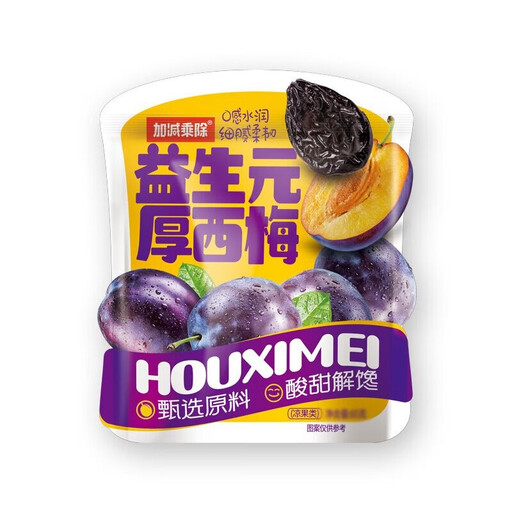
Jia Jian Cheng Chu dried prunes, 65 g
A good option if a small pack of prunes is enough for your late-night snack. The pack contains 65 g; this is not a recommended portion size. If you want to avoid added sweeteners, note that the ingredients list includes fructose syrup.
View at Joybuy
 No image available
Seeberger dried apple rings, 80 g
A good option if you want dried apple rings in an 80-g pack; this pack size is not a recommended portion either. The product information does not list any added sugar. If you are sensitive to sulphites, note that the ingredients list includes sodium metabisulphite.
View at Joybuy
Frequently asked questions
Is dried fruit a low-calorie late-night snack?
Not necessarily: drying concentrates the sugar and energy per 100 g. The German Nutrition Society therefore recommends a smaller portion of dried fruit than fresh fruit. If you want a larger portion with a lower energy density, fresh fruit is a better option.
Does “no added sugar” mean sugar-free?
No, dried fruit still contains naturally occurring sugar. The consumer advice centre points out that “no added sugar” does not mean sugar-free; check the sugar per 100 g as well when choosing.
How can I spot sulphur dioxide or sulphites in dried fruit?
Check the labelling on the specific pack for relevant information, particularly if you need to avoid sulphites. If you are buying loose fruit, ask about the ingredients and allergen information before you buy.
How should I store opened dried fruit?
Keep opened dried fruit tightly sealed in a cool, dry, dark place. Also check the best-before date and storage instructions on the pack.


