For a low-fat dried fruit snack, look for varieties with a short ingredients list, provided the specific pack contains no more than 3 g of fat per 100 g. When shopping for organic products, also check the organic certification and ingredients: ‘No added sugar’ does not mean sugar-free, and mixes containing oil, nuts or coconut need to be assessed separately.
Who is this selection for?
Fat-conscious dried fruit shoppers
If you’re looking for dried fruit to snack on, the fat content of each variety matters more than the category name. It’s especially worth checking the ingredients and nutritional information per 100 g for products containing oil, nuts or coconut.
Organic shoppers who check the ingredients
When you’re shopping at an organic supermarket or looking in the organic aisle, you’ll want to check whether the specific pack is certified organic and what it contains. The European Commission says that EU organic products carry the EU organic logo, a control body code and an indication of origin.
Fans of different fruit textures
Whether you prefer crunchy freeze-dried fruit or soft dried fruit will influence your choice. The consumer advice centre Verbraucherzentrale points out that removing the water from freeze-dried fruit concentrates its sugar and calories per 100 g.
What should you look for when buying?
Start by checking the fat content and ingredients of the specific variety. Then compare the sugar content and, if you’re specifically looking for organic products, check the certification on the pack.
| Criteria |
What to check |
Who it matters to |
| Fat content |
Check the fat per 100 g and ingredients such as added oil, nuts or coconut. Under EU Regulation (EC) No 1924/2006, solid foods can only be labelled ‘low fat’ if they contain no more than 3 g of fat per 100 g. |
I want to choose dried fruit as a snack without guessing its fat content from the product name. For around 29% of consumers, this is the first thing they look at when choosing. |
| Sugar and ingredients |
Compare the ingredients list and the ‘of which sugars’ nutritional information per 100 g; don’t read ‘no added sugar’ as ‘sugar-free’. |
When choosing between plain and sweetened options, I want to be able to assess the sugar content of a portion. Around 29% of consumers look at sugar and the recipe first. |
| Organic certification |
For pre-packed EU organic products, check the EU organic logo, control body code and origin of the agricultural ingredients on the pack. |
The brand name alone isn’t enough for me when I’m specifically looking to buy an organic product. This is the top priority for around 24% of consumers. |
| Texture and use |
Choose between crunchy freeze-dried fruit and soft dried fruit based on how you plan to use it; check the nutritional information for each variety too. |
I might want something crunchy to take with me, and softer fruit for another use. This is the deciding factor for around 18% of consumers. |
Common buying mistakes
-
Assuming all dried fruit is low in fat
Additional ingredients can significantly change the fat content. For example, EDEKA lists a product containing dried tomatoes and rapeseed oil as having 10,7 g of fat per 100 g, so it shouldn’t be treated as equivalent to plain dried fruit.
Check the ingredients list and fat content per 100 g for each specific variety rather than relying on the word ‘dried’.
-
Confusing ‘no added sugar’ with sugar-free
Naturally occurring sugars remain when fruit is dried. According to Verbraucherzentrale, removing the water concentrates sugar and calories per 100 g.
As well as reading the ingredients list, check the ‘of which sugars’ figure and consider how much you actually plan to eat.
-
Assuming a brand name means a product is organic
A brand or its position in the organic aisle doesn’t tell you how an individual pack is certified.
For pre-packed EU organic products, check the EU organic logo, control body code and origin information before comparing the ingredients and nutritional values of different varieties.
Brands to consider
Seeberger
Seeberger’s range includes plain dried fruit, freeze-dried fruit, soft fruit and fruit mixes.
- The range categories make it easier to search by the type of processing you’re looking for.
- The range also includes sweetened options and mixes. Check the ingredients and fat content of each product individually.
REWE Bio
REWE has its own organic brand and a category for organic dried fruit.
- This makes it easy to search specifically for organic dried fruit within the range.
- The organic own-brand label doesn’t tell you the fat or sugar content of a particular variety; check the information on its pack.
EDEKA Bio
EDEKA Bio includes products such as soft apricots with listed ingredients and nutritional information.
- For EDEKA Bio Soft Apricots, EDEKA lists dried apricots and water as ingredients, with 0,6 g of fat per 100 g.
- EDEKA notes that product information may differ from the packaging. So check the details on the specific pack you’re buying.
Alesto (Lidl)
Lidl’s Alesto range includes dried fruit, nuts and other snacks.
- Lidl lists mango strips with no added sugar as one example from the range.
- The brand name alone doesn’t indicate the fat content; check the ingredients and nutritional information for the variety you choose.
FARMER NATURALS (ALDI SÜD)
ALDI SÜD’s FARMER NATURALS range includes dried fruit such as dried mango and prunes.
- For one listed mango variety, ALDI SÜD states a fat content of 0,7 g per 100 g.
- ALDI SÜD notes that suppliers and nutritional information may vary. The information on the pack of the variety you actually choose is what counts.
Dried fruit and snack options at Joybuy
This selection includes dried jujubes, mango and apple products, as well as candied ginger. If you’re looking for a low-fat snack as part of your organic shop, compare the fat content, sugar and ingredients of each option, and check the organic certification on the specific pack.
 No image available
Haoxiangni Grade A No-Wash Jujubes, 500 g
An option if you’re looking for dried jujubes to snack on. Check the fat and sugar content per 100 g on the pack, as well as the organic certification if that’s important to your shop.
View at Joybuy
 No image available
Seeberger Soft Mango Strips, 100 g
This soft option is worth considering if you prefer soft mango strips. Compare the fat and ‘of which sugars’ figures per 100 g, and check the ingredients and allergen information on the pack too.
View at Joybuy
 No image available
Seeberger Dried Apple Rings, 80 g
Dried apple rings are another fruit option to add to your snack selection. If you’re comparing them with mango strips, check the fat and sugar content, as well as the allergen information on each pack.
View at Joybuy
 No image available
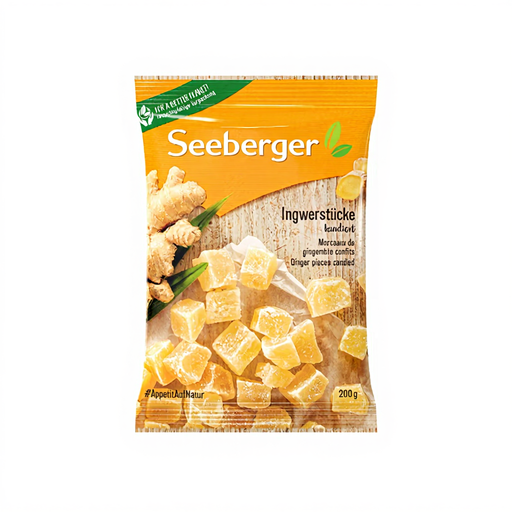
Seeberger Candied Ginger Pieces, 200 g
If you’d prefer candied ginger to plain dried fruit, the recipe makes an important difference. Check the sugar content and ingredients in particular; a low fat content alone doesn’t tell you enough about this snack.
View at Joybuy
Frequently asked questions
When can dried fruit be labelled low fat?
Under EU Regulation (EC) No 1924/2006, solid foods can only be labelled ‘low fat’ if they contain no more than 3 g of fat per 100 g. Check the value on the specific pack of dried fruit; the product category alone isn’t enough to determine this.
Is dried fruit with no added sugar sugar-free?
No. Fruit can contain naturally occurring sugars even without added sugar. According to Verbraucherzentrale, removing the water concentrates these sugars per 100 g in dried fruit; the ‘of which sugars’ figure is useful for comparison.
How can I identify pre-packed organic dried fruit?
For pre-packed organic products from the EU, look for the EU organic logo, control body code and information on the origin of the agricultural ingredients. The European Commission lists these as elements of organic labelling; you’ll also need to check the nutritional table for fat and sugar.
How should I store opened dried fruit?
First, follow the storage instructions on the relevant pack. EDEKA recommends storing prunes in a cool, dry place; for other varieties, follow the instructions on their own packaging.


