Dried fruit makes a handy, easy-to-carry addition to your BackWerk lunch, but it isn’t necessarily low in calories: removing the water concentrates the sugars and energy per 100 g. The German Nutrition Society therefore recommends a smaller portion than you’d have of fresh fruit. Compare the pack size, nutritional information and ingredients. If you’d prefer a larger side with lower energy density, fresh fruit or vegetables may be a better option.
Who is this choice relevant to?
Calorie-conscious lunch snackers
You fancy something sweet to take with you, but don’t want to end up eating a large amount of dried fruit alongside your lunch without realising. A small pack or a portion set aside in advance can help you judge how much you’re having against the nutritional values per 100 g.
Shoppers who check the ingredients
You want to tell added sugar apart from the sugar naturally present in fruit. To do so, check both the ingredients list and the ‘of which sugars’ figure in the nutrition table.
Shoppers who need to consider sulphites or allergens
For you, the labelling is key to choosing a product. The colour and appearance of dried fruit are no substitute for checking the ingredients and allergen information.
What should you look for when buying?
When choosing dried fruit to go with your BackWerk lunch, start by thinking about how much you’ll actually eat. Then consider the ingredients list, allergen information and the texture you prefer.
| What to consider |
What to check |
Who is it important to? |
| Portion and energy |
Compare the calories per 100 g with the pack size and the portion you plan to eat. |
If I only want dried fruit as a small extra, I want to decide how much to have before I start eating. Around 36% of consumers prioritise portion size and energy when making this choice. |
| Sugar and ingredients |
Read the ingredients list alongside the ‘of which sugars’ figure in the nutrition table. |
When choosing a sweet fruit snack, I want to know whether it contains sweetening ingredients in addition to the fruit. For around 29% of consumers, this distinction comes first. |
| Sulphites and allergens |
Check the ingredients and allergen information, particularly for sulphur dioxide or sulphites. |
If I need to avoid certain substances, the fruit’s appearance alone isn’t enough to help me decide. Around 21% of consumers mainly check the labelled ingredients in this regard. |
| Format and texture |
Consider the pack size and whether you’d prefer a soft or crunchy texture. |
When I’m out and about, I want to choose a snack whose pack size and texture suit my lunch break. This format takes priority for around 14% of consumers. |
Common misconceptions
-
‘No added sugar’ means ‘low in calories’
Even without added sugar, dried fruit contains sugars from the fruit itself. According to the consumer advice centre, ‘no added sugar’ doesn’t mean that a food is sugar-free.
Read the ingredients list and compare calories and ‘of which sugars’ per 100 g. Also decide how much you actually want to eat with your lunch.
-
The colour reliably shows whether fruit has been treated with sulphites
Sulphur dioxide can affect the colour, but appearances are no substitute for checking the label. This is especially important if you need to avoid sulphites.
For packaged products, check the ingredients and allergen information for sulphur dioxide, sulphites or the relevant E numbers. If buying loose fruit, ask for the allergen information.
-
Freeze-dried fruit is automatically lower in calories
Water has been removed from this fruit too. According to the consumer advice centre, this concentrates the sugars and calories per 100 g.
Choose the crunchy option if you like that texture, and compare the nutritional values and pack size against the portion you plan to have.
-
A bag of dried fruit is a like-for-like replacement for a large serving of fresh fruit
The German Nutrition Society points out that a portion of dried fruit should be smaller than one of fresh fruit because it contains more sugar and calories.
If you’d like a larger serving of fruit or vegetables, consider fresh options rather than planning to eat a whole bag of dried fruit as an equivalent portion.
Brands to consider
Seeberger
The range includes different types of dried fruit. Check the ingredients and nutritional values for the specific variety and pack you’re considering.
- One specific point of comparison: REWE lists Seeberger unsweetened mango (100 g) as containing 326 kcal and 54 g of sugar per 100 g.
- These figures apply to this product, not to other Seeberger mango products or the entire range. ‘Unsweetened’ alone doesn’t answer either the calorie or sulphite question.
Alesto
Lidl’s Alesto range includes dried fruit and mango strips, among other products.
- If you’re looking for dried fruit at Lidl, you can compare the individual Alesto products using the information on their packs.
- Check the ingredients, sugar content and sulphite information for the specific product you choose.
REWE Beste Wahl
REWE’s own-brand range includes various fruit formats, including freeze-dried fruit.
- The different formats let you choose according to your preferred texture and pack size.
- According to the consumer advice centre, freeze-dried fruit isn’t automatically lower in calories. Compare the nutritional values of the specific product.
Dried fruit at Joybuy
These packs could work as a separately purchased addition to your BackWerk lunch. They differ in fruit type and pack size, among other things; don’t assume a product is low in calories just because it’s described as ‘dried fruit’.
 No image available
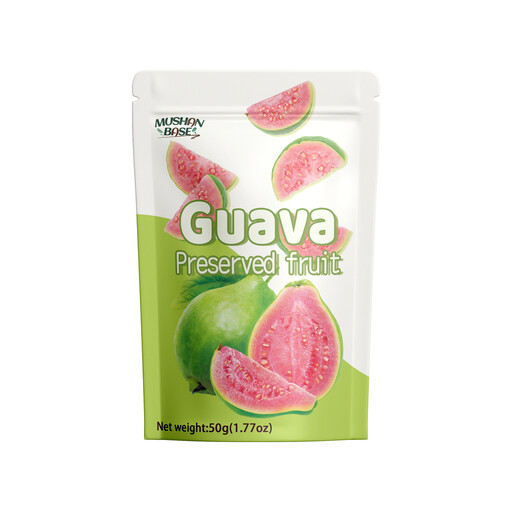
MUSHAN BASE dried Red Heart Guava, 50 g
The 50 g pack could be a good fit if you want to choose a limited pack size for lunch. Check the ingredients and nutritional values before buying, particularly the sugar content and any sulphites.
View at Joybuy
 No image available
Seeberger Soft Dried Mango Slices, 100 g
The soft mango strips could work well if you want to portion out some for lunch; the pack contains 100 g. Compare the nutritional information and check the ingredients label if you need to keep an eye on added sugar or sulphites.
View at Joybuy
 No image available
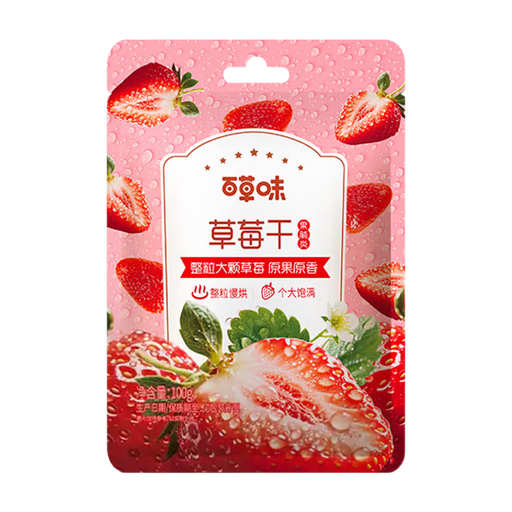
Be&Cheery dried strawberries, 100 g
You can set aside a smaller portion from the 100 g pack for a fruity snack on the go. Check the information on sugar, other ingredients and allergens before choosing.
View at Joybuy
 No image available
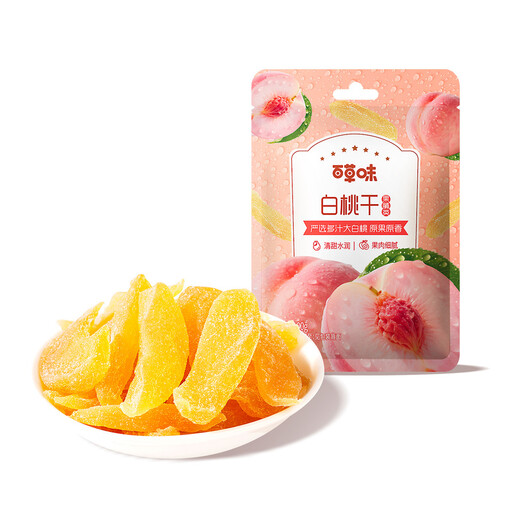
Be&Cheery dried white peach, 100 g
This dried peach is another fruit option if you’d like to portion out how much you have with lunch; the pack contains 100 g. Check the ingredients list and nutritional values before comparing it with other dried fruit.
View at Joybuy
Frequently asked questions
Is dried fruit a low-calorie addition to a BackWerk lunch?
Not necessarily: drying removes water, concentrating the sugars and energy per 100 g. The German Nutrition Society therefore recommends a smaller portion than you’d have of fresh fruit. If you’d prefer a larger side with lower energy density, you could choose fresh fruit or vegetables.
Is dried fruit with no added sugar also sugar-free?
No. As the consumer advice centre explains, ‘no added sugar’ doesn’t mean that a food contains no sugar. Check the ‘of which sugars’ figure as well as the ingredients list.
How can I tell whether dried fruit has been treated with sulphites?
For packaged dried fruit, the ingredients and allergen information are what you need to check—not the colour. Look for terms such as ‘sulphur dioxide’ or ‘sulphites’; if buying loose fruit, ask for the allergen information.
Is freeze-dried fruit lower in calories per 100 g?
Not automatically. The consumer advice centre points out that removing water also concentrates the sugars and energy per 100 g in freeze-dried fruit. Compare the nutritional information and choose a pack size that suits the portion you plan to eat.


