What should you look for when buying?
Start by choosing a fruit and texture that will work in the lunchbox. Then compare the nutrition information on the same basis and check the ingredients on the specific pack before measuring out a small portion.
| What to consider |
What to check when buying |
Who it matters to |
| Energy and portion size |
Compare kcal per 100 g and measure out the amount you’ll actually pack. |
I want to pack only a small amount of dried fruit and be able to work out how much energy that portion contains. This is the main concern for around 40% of consumers. |
| Ingredients and sulphites |
Check the ingredients list for added sugar and, if needed, for sulphur dioxide or sulphites. Check the allergen information too. |
I need to know which ingredients are suitable for my child, rather than relying on the front of the pack. Around 30% of consumers make this their main priority. |
| Texture and appeal |
Choose between crunchy freeze-dried fruit and dried fruit that may be softer or firmer, depending on the variety. |
I want my child to enjoy the fruit I pack, and texture can make a difference. This is the most important selection criterion for around 20% of consumers. |
| Pack size and availability |
Check that the pack size and the information for your chosen shop match what you need. |
I want to buy only as much as I can sensibly use for several small lunchbox portions. Around 10% of consumers put this need first. |
Dried fruit at Joybuy
This selection includes individual dried fruits in a range of pack sizes. If you’re adding a small portion to a lunchbox, make sure you measure it out yourself and check the information on the pack for each product.
 No image available
Seeberger dried apple rings, 80 g
If you’d like to add a small portion of apple rings to the lunchbox, measure out what you need from the 80 g pack.
If necessary, check the labelling for sodium metabisulphite, sulphur dioxide or sulphites.
View at Joybuy
 No image available
Fang Jia Pu Zi pitted red jujubes, 500 g
Pitted jujubes are an option if you’d like to measure out lunchbox portions yourself from a larger pack.
The pack contains 500 g. When comparing the energy in a portion, it’s the amount you actually pack that counts.
View at Joybuy
 No image available
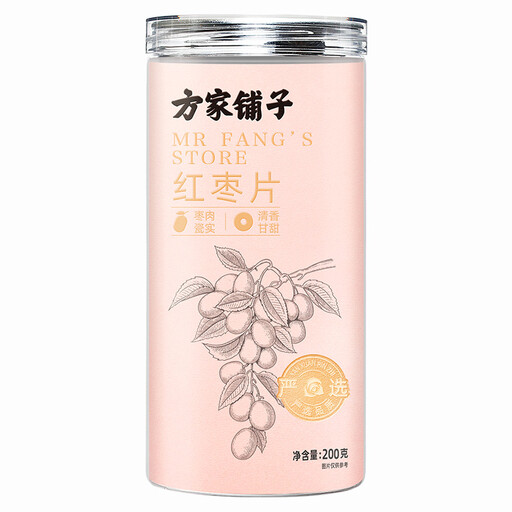
Fang Jia Puzi dried red date slices, 200 g
The sliced format is handy if you’d rather not cut up dates before packing them. You’ll still need to measure out the amount for the lunchbox.
The pack contains 200 g. Check the latest nutrition information on the pack as part of your decision.
View at Joybuy
 No image available
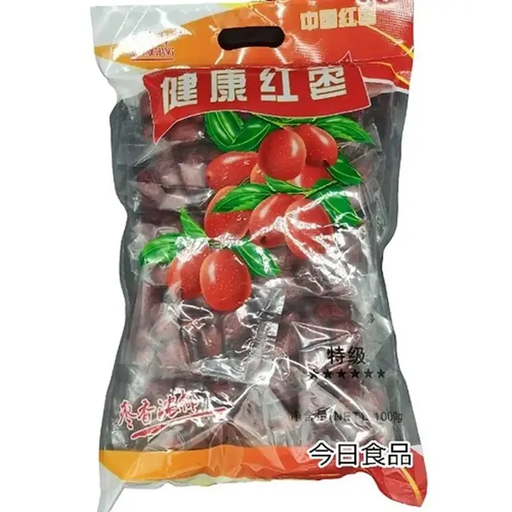
Healthy Red Dates medium-sized red dates, 1 kg
This 1 kg pack may suit you if you’d like to measure out several small portions of red dates for lunchboxes.
The pack size isn’t a serving size, so check the nutrition information and ingredients on the specific pack.
View at Joybuy
 No image available
Seeberger pitted Deglet Nour dates, 500 g
These pitted dates work well as a small portion, measured out to add to a lunchbox.
The pack contains 500 g, which isn’t the same as a single lunchbox portion. If sulphites matter when choosing a product, check the ingredients and allergen information on the pack.
View at Joybuy
Frequently asked questions
Is dried fruit automatically low in calories?
No. Germany’s consumer advice centre explains that removing the water concentrates sugar and energy per 100 g, including in freeze-dried fruit. So, for a lunchbox, compare the nutrition information and take the amount you pack into account.
Is dried fruit with no added sugar sugar-free?
No. ‘No added sugar’ doesn’t mean the fruit contains no natural sugar. Check the nutrition information on the pack to see how much sugar it contains.
How do I check dried fruit for sulphites?
For packaged dried fruit, read the ingredients list and allergen information, and look out for sulphur dioxide or sulphites. Lebensmittelklarheit explains the labelling using sulphited sultanas as an example. Don’t rely on information on the front of the pack alone when choosing a product.
What should I look out for with allergens in dried fruit mixes?
Check the full ingredients list and allergen information for the specific mix, particularly if certain ingredients matter for your child. Lebensmittelklarheit explains that allergens which must be declared are highlighted in the ingredients list on packaged foods.
Is dried fruit enough on its own for a school lunch?
Think of dried fruit as a small addition rather than an automatic replacement for the whole meal. The German Nutrition Society points out that children and teenagers need enough energy during the school day, so it’s important to consider what else goes into the lunchbox.


