Dried fruit can add a little fruit to a nursery lunchbox, but it shouldn’t be relied on as the main source of protein. REWE lists 2.7 g of protein per 100 g for ja! apricots, while EDEKA24 lists 1.2 g per 100 g for Alnatura apple rings. If protein is your priority, choose a separate option that suits your child and the nursery’s rules. For the dried fruit, also check the ingredients, allergen information and portion size.
Who is this choice important for?
Parents looking to include protein
You’re looking for a specific source of protein for your child’s lunchbox and don’t want to choose dried fruit for that purpose based on its name alone. The nutritional information published by REWE for ja! apricots and by EDEKA24 for Alnatura apple rings can help you assess the products themselves.
Families mindful of ingredients or allergies
If known allergies or nursery requirements affect your choice, check the ingredients and allergen information on the specific pack rather than making assumptions about the brand as a whole.
Families who want to pack some fruit
If you sometimes choose dried fruit for the lunchbox, be mindful of the portion size. The German Federal Centre for Nutrition points out that the fruit sugars become concentrated during drying.
What should you look for when buying?
First decide whether you’re buying it as a fruity addition or to meet a protein goal. Then check the specific label and your nursery’s rules.
| Criterion |
What to check when buying |
Who should pay particular attention |
| Protein |
Compare the protein per 100 g on the label, and choose a separate source of protein if needed. |
If the main aim is to include a source of protein in the lunchbox, the description ‘dried fruit’ isn’t enough to help me decide. Protein is likely to be the main buying criterion for around 50% of consumers. |
| Ingredients and allergens |
Check the ingredients, declared allergens and possible traces against your individual requirements and nursery rules. |
If there are known allergies or nursery requirements, I need to check each new pack individually. Ingredients and allergens are the top priority for around 30% of consumers. |
| Portion size and sweetness |
Set a portion size for the lunchbox and read the nutritional information, especially the sugar per 100 g. |
If I’m packing dried fruit as an occasional fruity addition, I want to decide on the amount carefully. This is likely to be the most important factor for around 20% of consumers. |
Common selection mistakes
-
Relying on dried fruit as a high-protein snack
The nutritional information for the products mentioned doesn’t support this assumption: REWE lists 2.7 g of protein per 100 g for ja! apricots, while EDEKA24 lists 1.2 g per 100 g for Alnatura apple rings.
Check the protein content on the pack you choose. If protein is your main priority, choose a suitable source of protein separately.
-
Confusing the ingredients list with portion size
Even dried fruit with no added sugar still contains its naturally occurring sugars. The German Federal Centre for Nutrition describes dried fruit as energy-dense because its fruit sugars are concentrated.
Set a sensible portion size for the lunchbox rather than assuming that the ingredients list means you can pack as much as you like.
-
Not checking the label again when switching products
The ingredients can vary: REWE lists sulphur dioxide in ja! apricots, while EDEKA24 lists potassium sorbate in Gut & Günstig dried plums and notes that they may contain traces of tree nuts.
Check each specific pack against any known allergies and your nursery’s requirements.
-
Treating drinks, nut mixes and dried fruit as the same thing
Lidl categorises Solevita as a drinks brand, while Alesto includes nuts and dried fruit, among other products. The product type determines which ingredients and nutritional information you need to compare.
First choose the type of product you want, then check the label on the individual item.
Brands to consider
Seeberger
Seeberger sells dried apricots in a variety labelled as unsulphured.
- The ‘unsulphured’ label can help if you’re choosing based on processing and ingredients.
- It doesn’t tell you about the protein content or whether the product is suitable for a particular child.
REWE / ja!
REWE publishes the ingredients and nutritional information for ja! apricots.
- REWE lists 2.7 g of protein per 100 g for the apricots.
- Sulphur dioxide is listed in the ingredients, so check the label on the pack you buy.
EDEKA / Gut & Günstig
EDEKA24 sells pitted Gut & Günstig dried plums and provides ingredient information.
- The ingredients list makes it possible to check the product against your lunchbox requirements.
- EDEKA24 lists potassium sorbate and possible traces of tree nuts.
Alesto
Lidl’s Alesto range includes dried fruit.
- The brand is worth considering if you’re looking for this type of product.
- Check the ingredients and nutritional information on the specific product you choose.
NATURLIEBLINGE / ALDI SÜD
ALDI SÜD sells a fig-based dried fruit product under the NATURLIEBLINGE brand.
- Figs are another type of dried fruit to consider when choosing what to pack.
- If you have a protein goal or specific ingredient requirements, check the information on the pack you choose.
Dried fruit at Joybuy
These dried fruits could work as a fruity addition to a lunchbox. If protein is your priority, choose a suitable source separately, and check the ingredients and nursery requirements before packing.
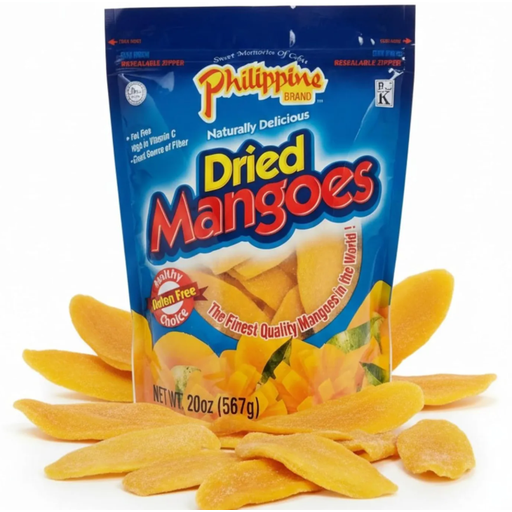 Image unavailable
PHILIPPINE BRAND dried mango, 100 g
Consider this as a fruity addition to the lunchbox, not as a source of protein based on the product type alone.
Compare the protein and sugar per 100 g on the pack, and check the ingredients, allergen information and nursery requirements.
View at Joybuy
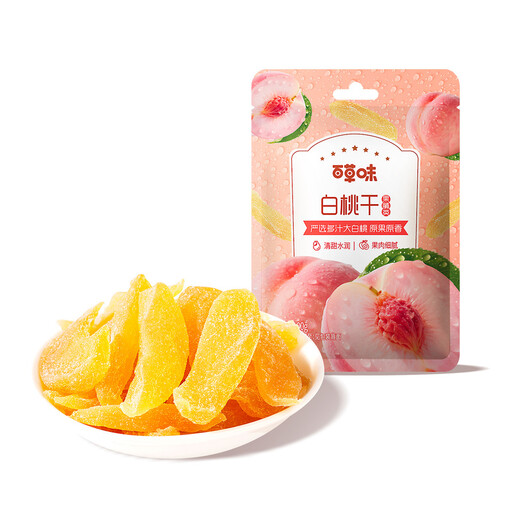 Image unavailable
Be&Cheery dried white peach, 100 g
Worth considering as dried fruit for the lunchbox; think about any protein goal separately.
Before choosing, read the nutritional information per 100 g, along with the ingredients and allergen information on the pack. Check that the product meets your nursery’s requirements.
View at Joybuy
Frequently asked questions
Is dried fruit a high-protein snack for a nursery lunchbox?
The products mentioned shouldn’t be relied on as a source of protein on their own: REWE lists 2.7 g of protein per 100 g for ja! apricots, while EDEKA24 lists 1.2 g per 100 g for Alnatura apple rings. Check the label on the product you choose. If protein is your main priority, choose a separate source that suits your child and the nursery.
Are unsulphured dried fruits automatically a better choice?
No. The ‘unsulphured’ label doesn’t tell you about the protein content or whether the product is suitable for every child. Seeberger describes its apricot variety as unsulphured. You should also check the full label and your nursery’s requirements.
What should I check about ingredients and allergies?
Always check the label on the specific pack. REWE lists sulphur dioxide in ja! apricots, while EDEKA24 lists potassium sorbate and possible traces of tree nuts in Gut & Günstig dried plums. Check this information against any known allergies and your nursery’s rules.
How can I portion dried fruit for a lunchbox?
Pack dried fruit as a separate, measured portion. The German Federal Centre for Nutrition highlights the concentrated fruit sugars and high energy content of dried fruit. The right choice for your child will also depend on your nursery’s rules.
Is Solevita a dried fruit brand?
According to Lidl’s product range, Solevita is a drinks brand. Lidl lists Alesto among its dried fruit brands, but you should still check the product type and label on the individual item.


