When a lunchbox needs to meet medically advised restrictions, what matters is the labelling on the specific pack of dried fruit – not the type of fruit or a general claim such as ‘natural’. Check the ingredients and allergen information. If you need a gluten-free product, also look for an explicit ‘gluten-free’ statement. A single-fruit product is usually easier to check than a mix, but neither ‘unsulphured’ nor ‘no added sugar’ answers every question about allergens and nutritional values.
Who is this choice important for?
Families managing a confirmed nut or peanut allergy
For a diagnosed allergy, the ingredients and allergen information on the specific pack are what count. A dried fruit mix may also contain nuts, so the type of fruit alone doesn’t tell you whether it’s suitable for your child. Also follow any individual medical advice and arrangements agreed with the school.
Families wishing to avoid sulphites or added sugar
‘Unsulphured’ and ‘no added sugar’ describe different things. Check each claim separately on the pack: dried fruit contains naturally occurring sugars even when no sugar has been added.
Families with a coeliac disease requirement
If you need a clearly labelled gluten-free option, look for the words ‘gluten-free’ on the specific product. The fact that fruit is naturally gluten-free doesn’t automatically tell you whether a processed mix is gluten-free.
What should you look for when buying?
Start with the individual requirements that need to be met. Then compare the ingredients, nutrition information and pack size to find an option that works for a lunchbox.
| What to check | What to look for when buying | Who it matters to |
|---|
| Allergens |
Read the ingredients list and allergen information on the specific pack, especially for fruit and nut mixes. The Federal Ministry of Agriculture, Food and Regional Identity explains the labelling requirements for the 14 major allergens. |
If my child has a confirmed nut or peanut allergy, I need to check the ingredients and individual requirements before choosing a product. Around 33% of consumers with these lunchbox concerns would put this check first. |
| Added sugar and sulphites |
Check separately for added sweetening ingredients and sulphites. To compare total sugar, look at the nutrition information per 100 g. |
I want to pack fruit with no added sugar and, if necessary, avoid added sulphur dioxide too, without treating the two claims as interchangeable. Around 27% of consumers would prioritise checking these ingredients. |
| Gluten labelling |
If required, look for ‘gluten-free’ on the product. Under EU Implementing Regulation (EU) No 828/2014, this claim is limited to products containing no more than 20 mg/kg of gluten when sold to consumers. |
For coeliac disease, I need a clear statement about the whole product rather than an assumption based on fruit as a single ingredient. Around 20% of consumers with these requirements would consider gluten labelling the most important criterion. |
| Lunchbox portion |
Check the pack size and plan the amount you’ll pack as part of the rest of the lunch. The Federal Centre for Nutrition highlights the concentrated sugar content of dried fruit. |
For the school day, I want to pack an amount that works with the rest of the lunch, rather than adding a large pack without planning. Around 20% of consumers would consider portioning first. |
Which mistakes can you avoid?
-
Assuming dried fruit is nut-free
A mix may contain tree nuts and other ingredients as well as fruit. For example, a Kluth Hawaii Mix sold by REWE lists hazelnuts, almonds and sulphur dioxide.
If you have a diagnosed allergy, don’t choose based on the photo or fruit name. Check the pack against the individual medical advice and arrangements with the school.
-
Reading ‘unsulphured’ as a guarantee that other ingredients are excluded
Seeberger uses this description for varieties made without added sulphur dioxide. It doesn’t tell you whether nuts, gluten or added sugar are excluded.
Use ‘unsulphured’ to answer that specific question only, and check any other relevant ingredients and claims separately.
-
Confusing ‘no added sugar’ with sugar-free
Dried fruit still contains naturally occurring sugars. The Federal Centre for Nutrition notes that these are concentrated during the drying process.
Check the sugar information per 100 g and choose a portion that works with the rest of the lunch.
-
Relying on online information instead of the pack label
Information may differ between an online product listing and the pack you buy. ALDI SÜD notes that its prunes may come from different suppliers and that nutritional values can vary.
Check the ingredients, allergens, nutrition information and, if necessary, the ‘gluten-free’ claim on the pack you actually buy and put in the lunchbox.
Brands to consider
Seeberger
Seeberger sells a range of dried fruit, including varieties specifically labelled as unsulphured.
- A place to start if you’re specifically looking for an unsulphured variety.
- This claim doesn’t apply to the whole brand: a Seeberger fruit mix sold by REWE lists sugar, sodium metabisulphite and sulphur dioxide in its ingredients.
REWE
REWE provides product information for some dried fruit and mixes, which may help you narrow down your options.
- You can check the ingredients and allergen information for a specific mix in advance.
- The label on the variety you buy is what matters; one product page doesn’t describe the whole range.
EDEKA
EDEKA provides information about gluten-free labelling and sells dried fruit products with product-specific details.
- This information can help you look for a variety specifically labelled as gluten-free.
- A dried fruit mix described by EDEKA contains sulphur dioxide, so check each variety individually.
Lidl / Alesto
Lidl describes some Alesto products, including mango strips, as having no added sugar, while noting that they contain naturally occurring sugars.
- A specific variety can be a starting point if you’re looking for a product with no added sugar.
- Alesto also sells nuts and other snacks. The brand name alone doesn’t tell you whether a product is free from allergens or gluten.
ALDI SÜD / FARMER NATURALS
ALDI SÜD sells prunes under the FARMER NATURALS brand.
- The specific pack gives you the information you need to compare ingredients and nutritional values.
- ALDI SÜD says that products may come from different suppliers. If you need to avoid specific ingredients, rely on the information on the pack you buy.
Dried fruit on Joybuy
This selection features individual dried fruits for a lunchbox, rather than fruit and nut mixes. The labelling on each pack will determine whether it’s suitable if you need to avoid allergens, gluten, sulphites or added sugar.
 No image available
Seeberger Deglet Nour Dates, Pitted, 500 g
If you’re planning to pack pitted dates for lunch, check the ingredients and any allergen information relevant to your child before choosing. Pack size: 500 g; you can portion out the amount you need.
 No image available
Haoxiangni Grade 2 Fresh-Locked Pitted Red Dates Original Flavour, 280 g
If you’d like to pack jujubes instead of a fruit and nut mix, this pitted variety is worth checking. Pack size: 280 g; check the label for added ingredients and any restrictions that apply to you.
 No image available
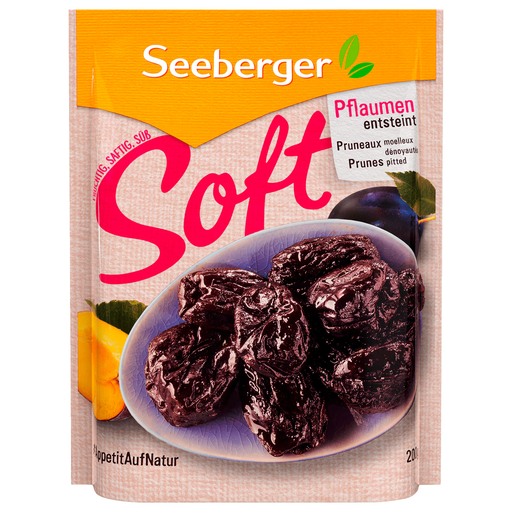
Seeberger Soft Pitted Prunes, 200 g
If you’re looking for pitted prunes for a lunchbox, compare the ingredients and allergen information for this variety with your requirements. The pack contains 200 g; check the nutritional values when deciding on a portion.
 No image available
Haoxiangni Grade A No-Wash Jujubes, 500 g
If you’re considering jujubes as a single-fruit snack, check the ingredients and allergen information on the pack for this variety. It contains 500 g; remember to pack a suitable portion.
 No image available
Changsi Dried Red Dates, 500 g
If you’re packing dried jujubes for lunch, compare the label on this variety with those of other single-fruit products. Pack size: 500 g; check for added ingredients and any allergens that are relevant to you before choosing.
Frequently asked questions
Does ‘unsulphured’ mean dried fruit is allergen-free?
No. Seeberger describes its products labelled this way as dried fruit made without added sulphur dioxide. This doesn’t rule out other ingredients or allergens that may be relevant to you. If you have a diagnosed allergy, check the specific pack and follow your individual requirements.
What should I look for in dried fruit for a child with coeliac disease?
Look for an explicit ‘gluten-free’ statement on the specific product. Under EU Implementing Regulation (EU) No 828/2014, products sold to consumers with this claim must contain no more than 20 mg/kg of gluten. The fruit as an ingredient alone doesn’t tell you whether the whole processed mix is gluten-free.
Is dried fruit with no added sugar sugar-free?
No. It may still contain naturally occurring sugars, which the Federal Centre for Nutrition says are concentrated in dried fruit. To compare individual packs, read the ingredients and check the sugar information per 100 g.
Does a packed lunch brought from home have to be allergen-free?
Check the rules for food brought from home with your child’s school, and follow their individual plan if they have a diagnosed allergy. The allergen-labelling guidance for school meals explained by the consumer advice centre doesn’t automatically tell you what rules apply to a packed lunch brought from home.


