Plain dried fruit can add to the fruit portion of a lunchbox, but it shouldn’t be relied on as the sole source of protein for a school or training day. If protein is a priority, choose a suitable accompaniment and check the ingredients, nutritional information and the portion you’ll actually pack. For nut or soya mixes, you’ll also need to consider allergens and school rules.
Who might find this selection useful?
Parents of sporty schoolchildren
For longer school or training days, they may want to combine dried fruit with a separate source of protein. The German Nutrition Society (DGE) considers protein, alongside carbohydrates and fat, part of a balanced diet for children and teenagers.
Families keeping an eye on sugar and portion size
They may want to pack dried fruit as a small accompaniment and compare its sugar content, ingredients and quantity. The Federal Centre for Nutrition points out that drying fruit also concentrates its natural sugars.
Families who need to check allergens or school rules
If a fruit and nut or soya mix is an option, they’ll need to check the labelling on the specific product and take the school or class rules into account.
What should you look for when buying?
First decide which part of the lunchbox should provide the protein. Then compare dried fruit or mixes based on the portion you have in mind and what’s practical to carry and suitable for your needs.
| What matters | What to check when buying | Who it matters most to |
|---|
| A clear source of protein |
Compare the protein per 100 g with the planned portion; check the ingredients in mixed products. |
For a long school or training day, dried fruit alone shouldn’t be the protein component. Around 37% of consumers would put a clear source of protein first. |
| Sugar and portion size |
Check the sugar per 100 g and read the ingredients list; decide how much to put in the lunchbox. |
If you’re packing a sweet fruit accompaniment, you may want to keep the portion under control. This would be the main priority for around 27% of consumers. |
| Allergens and school rules |
Check the allergens and ‘may contain’ information on the current pack, as well as the school or class rules. |
If nuts or soya aren’t suitable for every child or class, suitability will determine what you choose. This would be the main priority for around 18% of consumers. |
| Getting it through the school day |
Consider the packaging and time in transit; make sure you have a suitable way to keep any chilled accompaniments cool. |
If there’s no way to keep food cool, the combination you pack needs to stay practical until break time. Around 18% of consumers would check this first. |
What mistakes can you avoid?
-
Assuming dried fruit is a source of protein
A fruit and nut mix isn’t the same as plain dried fruit. You can’t tell whether a product will contribute to your planned protein intake from its fruit content or an eye-catching product name.
Check the ingredients and protein per 100 g, and take the portion you’ll actually pack into account.
-
Overlooking how concentrated the sweetness is
According to the Federal Centre for Nutrition, drying fruit concentrates its natural sugars. So it’s worth keeping an eye on the portion, even when you’re packing just a little dried fruit.
Compare the sugar content and check the ingredients list for added sweeteners.
-
Packing nut mixes without checking allergens
For nut or soya mixes, the ingredients and any ‘may contain’ information are key to deciding whether they’re suitable. You may also need to follow the rules of your child’s specific school or class.
Read the current product label and check the school rules before packing a mix.
-
Choosing a fresh accompaniment without planning how to carry it
Plain yoghurt could work as a separate accompaniment, but if it needs to be kept cool, you’ll also need to consider how it will be stored until break time.
Plan the container and, if needed, a way to keep it cool alongside your chosen accompaniment.
Brands to consider
Seeberger
Seeberger offers dried fruit and nut mixes as separate product types. This is useful if you want to choose the fruit portion and a possible protein accompaniment separately.
- According to the manufacturer, Seeberger Power Nut Mix contains 22 g of protein per 100 g and is made with walnuts, almonds and cashews; it isn’t plain dried fruit.
- Seeberger says this mix may contain traces of other tree nuts and peanuts. The manufacturer also warns that nuts pose a choking risk, particularly for children under four.
KLUTH
KLUTH offers dried fruit and nuts. Compare plain fruit products separately from mixes intended to provide an extra source of protein.
- According to KLUTH, Fit Food Protein Mix contains nuts and soya beans; it’s a different type of product from plain dried fruit.
- Check the current allergen labelling and nutritional information for the mix you choose.
Alnatura
Alnatura is worth considering for a separate dried fruit portion if you’ve already planned to include a source of protein elsewhere.
- The Alnatura Apple Chips product page lists 2.7 g of protein and 67 g of sugar per 100 g.
- The protein content doesn’t mean the apple chips alone will provide the planned protein component of the lunchbox.
Fruit and nut mixes at Joybuy
According to their product names, these products combine dried fruit and nuts. They may suit a lunchbox if you’re looking for this kind of mix; the names don’t tell you how much protein a packed portion provides or whether the product is suitable for a particular school.
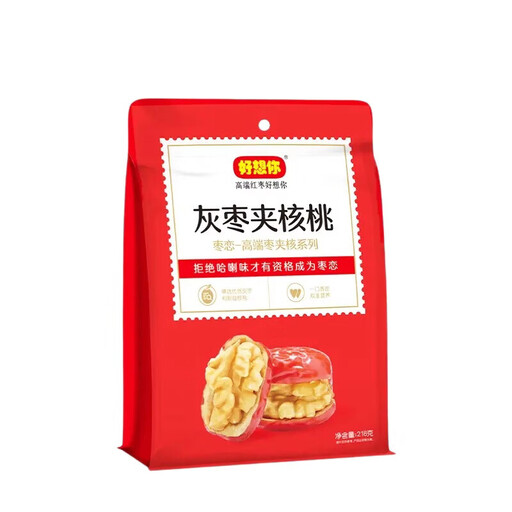 Image unavailable
Haoxiangni Jujube Love Walnut Sandwich Date 218g
An option if you’d like dates and walnuts together in the lunchbox.
Pack size: 218 g. Check the nutritional information for your portion, as well as the walnut labelling and school rules.
View at Joybuy
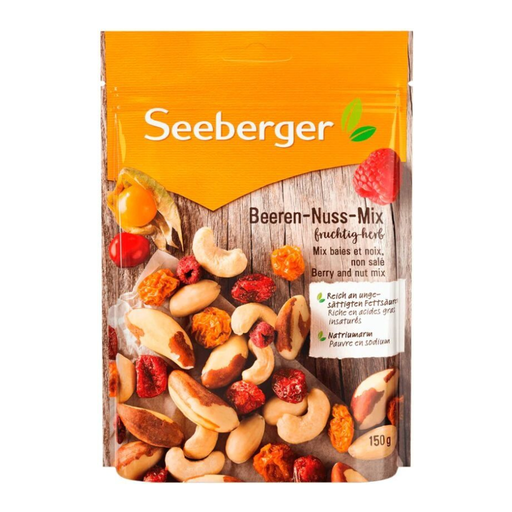 Image unavailable
Seeberger Soft Berry & Roasted Nut Mix 150g
For a lunchbox where berries and roasted nuts are planned as a mix.
Pack size: 150 g. Compare the protein and sugar content for the portion you have in mind, and check the allergen labelling.
View at Joybuy
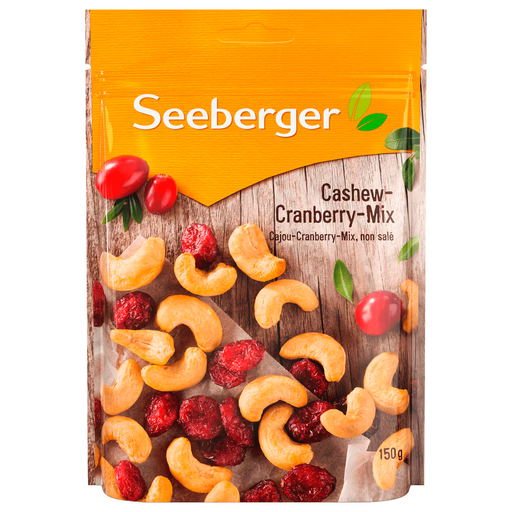 Image unavailable
Seeberger Cashew & Cranberry Snack Mix 150g
A fruit and nut mix for families who want to pack cashews and cranberries together.
Pack size: 150 g. In particular, check the ingredients, sugar content and portion size, and whether cashews are suitable for your child and their school.
View at Joybuy
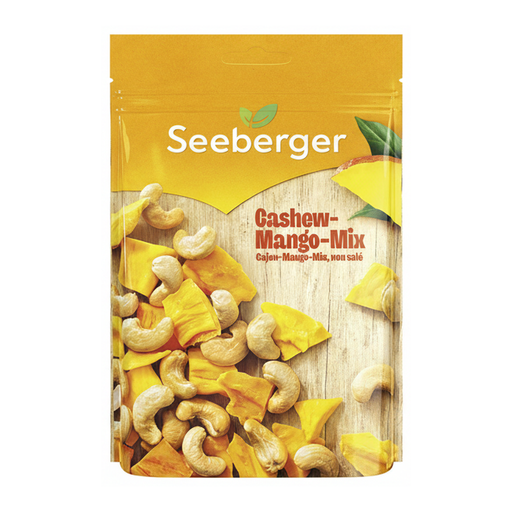 Image unavailable
Seeberger Cashew & Mango Mix 150g
An option if you’d like mango and cashews together as an accompaniment.
Pack size: 150 g. Before packing, check the sugar content and the allergen and ‘may contain’ information on the current pack.
View at Joybuy
Frequently asked questions
Are dried fruit alone a high-protein snack for break time?
Not necessarily. Dried fruit can contain protein, but if you’re planning a lunchbox with a specific source of protein, check its contribution against the nutritional information and portion size. Whether you need another accompaniment depends on what else is in the lunchbox.
What goes well with dried fruit on a long school or training day?
A small portion of dried fruit can be paired with a separately chosen source of protein. The Federal Centre for Nutrition suggests fruit with nuts and vegetables with hummus as ideas for a packed lunch. If you’re taking yoghurt or another accompaniment that needs to be kept cool, make sure you can store it properly.
Why should I check the sugar content of dried fruit?
According to the Federal Centre for Nutrition, drying fruit also concentrates its natural sugars. The nutritional information shows the product’s sugar content; the ingredients list and the amount you pack can also help you distinguish plain dried fruit from sweetened varieties.
What should I consider when packing nut mixes for younger children?
Follow the age and safety guidance for the specific product. Seeberger explicitly warns that its Power Nut Mix poses a choking risk, particularly for children under four. Check allergens and school rules separately.


