What should you look for when buying?
First, check whether the specific pack meets your requirements for ingredients and allergens. Then compare the carbohydrate information, how easy it is to portion and how convenient it is to eat while running.
| Criterion |
What to check when buying |
Who it matters to |
| Allergens and sulphites |
Check the ingredients, highlighted allergens and any ‘may contain’ warnings on the specific pack. If necessary, look specifically for sulphur dioxide and sulphites. |
If you need to avoid certain allergens or sulphites, you need verifiable information about the individual product, rather than a guarantee that applies to the whole brand. This check is a priority for around 36% of consumers. |
| Carbohydrate content |
Compare the carbohydrate content per 100 g and use it to work out the amount in your intended serving. A product made with dried dates described by REWE lists 67 g of carbohydrates per 100 g. |
For longer sessions, you’ll want to know how much of your chosen dried fruit to pack, rather than treating a number of pieces as equivalent to a specific amount of carbohydrates. Around 29% of consumers put this ability to plan first. |
| Eating while running |
Check whether the fruit is pitted, and try the variety and serving size on training runs. |
If you’re eating on the go, the pieces should be easy for you to handle and the serving should work well during training. Trying it out for yourself is the most important criterion for approximately 21% of consumers. |
| Training supplies |
Compare pack sizes and how easy they are to portion. For ingredients and nutritional values, always refer to the label on the variety you buy. |
If you prepare snacks for several training days, you’ll want to choose a pack that lets you take out suitable portions. Around 14% of consumers give this priority. |
Which brands are useful as a guide?
The ranges below can help guide your choice. Whether a dried fruit meets your requirements depends on the labelling for the specific variety.
Seeberger
Seeberger describes its pitted dates as available in several pack sizes, including 125 g, 200 g and 500 g.
- For the pitted dates described, Seeberger lists a non-sulphured recipe with no added sugar or preservatives.
- Seeberger also warns of possible cross-contamination. Recipe information doesn’t replace checking the specific pack if you have an allergy.
Alesto (Lidl)
Lidl sells dried fruit under the Alesto brand, alongside nuts and other snacks.
- The range includes a variety of dried fruit products, including mango strips described by Lidl as having no added sugar.
- As the brand also sells nut and peanut snacks, the brand name alone doesn’t mean an individual product is nut-free.
TRADER JOE’S (ALDI Nord)
ALDI Nord sells dates, sultanas, figs and fruit mixes under the TRADER JOE’S brand, among other products.
- Individual fruits and mixes let you choose the fruit and pack format that suit you.
- The range also includes nuts and nut-and-fruit mixes, so check the ingredients and allergen information for each variety.
EDEKA Herzstücke
EDEKA describes a dried mixed fruit product under the Herzstücke brand that contains several types of fruit.
- The product description lists the individual ingredients in the mix, making it easier to check the recipe.
- According to EDEKA, this mixed fruit contains sunflower oil, potassium sorbate and sulphur dioxide; sulphites are listed as an allergen.
NATURLIEBLINGE – KLEINE SCHÄTZ (ALDI SÜD)
ALDI SÜD describes dried fruit packs in this range containing dates, figs or apricots, including a 200 g pack of dates.
- The fruit types and pack sizes listed make it easier to compare specific varieties.
- For the date variety, ALDI SÜD notes that there may be different suppliers. The pack you buy is therefore the one to check for ingredients, allergens and nutritional values.
Dried fruit on Joybuy
This selection includes pitted dates and jujubes, as well as individually portioned red dates with stones. For a training snack, compare how easy each variety is to handle and check the labelling on the pack.
 No image available
Haoxiangni Grade 2 Fresh-Locked Pitted Red Dates Original Flavour, 280 g
If you want to portion out pitted jujubes for training runs, this variety is one option. Before buying, check the ingredients and any ‘may contain’ warnings on the specific pack, and try your portion during training first.
View on Joybuy
 No image available
Seeberger Pitted Deglet Nour Dates, 500 g
These pitted Deglet Nour dates are worth considering if you want to prepare portions from a 500 g pack. As with any variety, check the current ingredients, allergen information and any ‘may contain’ warnings on the pack.
View on Joybuy
 No image available
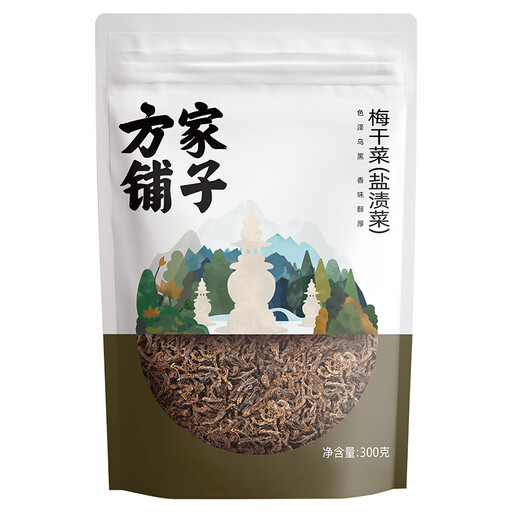
Fang Jia Pu Zi Pitted Red Dates (Jujubes), 500 g
These pitted jujubes are handy for preparing individual training portions from a 500 g pack. Check the ingredients and allergen information on the variety you buy, and try your portion while running.
View on Joybuy
 No image available
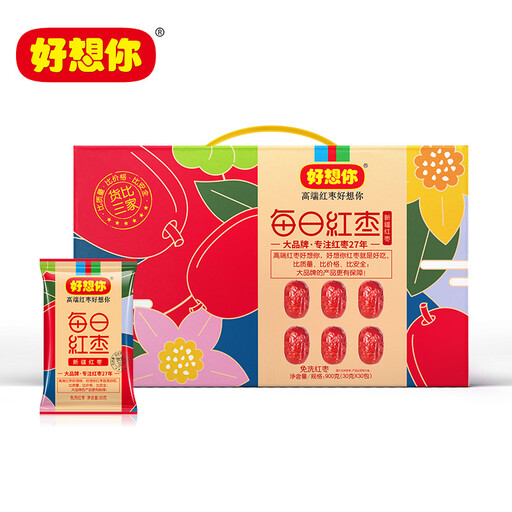
Haoxiangni Ready-to-Eat Red Dates, 900 g (30 × 30 g)
The individually wrapped portions are a handy option if you want to prepare training snacks in advance. These red dates contain stones, so bear that in mind if you plan to eat them while running. Also check the ingredients and allergen information on the pack.
View on Joybuy
 No image available
Haoxiangni Grade A No-Wash Jujubes, 500 g
This 500 g variety is an option if you’re looking for jujubes to make several training portions. If stones would be inconvenient while running, check before buying whether the fruit is pitted. Also check the ingredients and any ‘may contain’ warnings on the pack.
View on Joybuy
Frequently asked questions
Are dried fruits with a short ingredients list automatically allergen-free?
No. A short ingredients list alone doesn’t prove that a product is allergen-free. Check the information on the specific pack, including any ‘may contain’ warnings. For example, Seeberger warns of possible cross-contamination in its information about its dates.
How can I spot sulphites in a dried fruit mix?
Check the ingredients and allergen information on the specific pack. The mixed fruit described by EDEKA lists sulphur dioxide as an ingredient and sulphites as an allergen; the ingredients in other mixes may differ.
How can I plan a serving of dates based on their carbohydrate content?
Use the carbohydrate content per 100 g on the pack you choose, along with the weight of your serving. For the product described by REWE, which contains 67 g of carbohydrates per 100 g, around 45 g of dates would provide approximately 30 g of carbohydrates. For other products, use their own nutritional information.
Are individual dates easier to check than dried fruit mixes?
A product with just one fruit as an ingredient makes it easier to check the recipe, but you still need to look at the allergen information and any ‘may contain’ warnings. Depending on the variety, mixes may contain other fruits or ingredients. For example, the mixed fruit described by EDEKA also contains sulphur dioxide.


