Plain dates, raisins and apricots are compact dried-fruit options for marathon training, provided their nutritional information fits your lower-fat preferences and you can tolerate the variety and portion while running. As well as fat content, compare ingredients and sugar per 100 g. Remember to plan your fluid and electrolyte intake separately from your fruit snack.
Who might choose dried fruit?
Distance runners who need carbohydrates
If you’re looking for a small, easy-to-carry snack for longer training runs, dried fruit could be an option. The German Nutrition Society highlights the importance of carbohydrates as a source of energy during sport. Try your chosen fruit during training to see how it works for you while running.
Runners with sensitive stomachs
If you find that food affects you during exercise, the type of fruit, portion size and timing are especially important. If you’re sensitive to sulphur dioxide, also check the labelling on lighter-coloured dried fruit.
People looking for lower-fat options day to day
When comparing plain dried fruit with nut and fruit mixes, the ingredients list and fat per 100 g tell you more than the phrase ‘fruit snack’. The German consumer advice centre points out that removing water concentrates the sugar and energy per 100 g.
What should you look for when buying?
First, decide whether you want dried fruit for a run or for everyday use. Then compare the nutritional information and ingredients, and try your planned portion on a training run before race day.
| Criteria | What to check | Who it matters to |
|---|
| Carbohydrates and portion size |
Compare the carbohydrates per 100 g and the amount in a portion you’ve already tried. |
For longer training runs, I want to plan a portable fruit snack and know how much I’ll be eating; around 36% of consumers put this need first. |
| Tolerance |
Read the ingredients and any information about sulphur dioxide; try the type of fruit and portion size during training. |
If my stomach is sensitive when I run, what matters most is choosing a variety I’ve already tried. Around 29% of consumers prioritise this. |
| Fat and ingredients |
Compare the fat and sugar per 100 g, as well as the ingredients in the plain fruit or mix. |
I want to make a lower-fat choice without mistaking ‘no added sugar’ for low sugar; around 21% of consumers say this is their main concern when buying. |
| Pack size and availability |
Check the pack size, storage instructions and availability of your chosen variety. |
For my training supplies, I want a suitable pack size and to be able to buy the same variety again. Around 14% of consumers prioritise this everyday need. |
Avoid common mistakes
-
Assuming ‘no added sugar’ means low in sugar
Dried fruit contains naturally occurring sugar, even when no sugar has been added. The German consumer advice centre says that removing water concentrates the sugar and energy per 100 g.
Check the sugar and energy figures in the nutritional information, as well as the ingredients, and bear in mind how much you actually plan to eat.
-
Treating a nut and fruit mix like plain dried fruit
Nuts or coconut change the make-up of a mix. You can’t tell how much fat it contains just from the word ‘fruit’ in the product name.
If choosing a lower-fat option matters to you, compare the ingredients list and fat per 100 g on the specific packs.
-
Trying a new variety for the first time on race day
Everyone’s different when it comes to tolerating dried fruit during exercise. A fruit snack also doesn’t replace a plan for fluid and electrolytes.
Try the variety, portion size and timing on training runs before you decide to take it with you for a marathon.
-
Assuming freeze-dried fruit is low in nutrients because it’s lightweight
Its low weight is due to the removal of water. The German consumer advice centre points out that this concentrates the sugar and energy per 100 g.
Compare the nutritional information with the portion you plan to eat. If you want to eat the fruit while running, try it during training first.
Brands and own-label ranges to consider
Seeberger
Seeberger offers a range of dried fruit, including classic options and unsulphured varieties.
- The range includes dates, sultanas and unsulphured apricots.
- Seeberger also sells sweetened fruit products, so check the ingredients on the pack you choose.
REWE / REWE Bio / REWE Beste Wahl
REWE’s range includes classic dried fruit as well as freeze-dried fruit.
- Examples include REWE Bio sultanas and REWE Beste Wahl freeze-dried strawberries.
- Ingredients and nutritional values vary by product, so choose based on the information on the specific pack.
EDEKA / EDEKA Herzstücke
EDEKA24 lists classic dried fruit from its EDEKA Herzstücke own-label range, among other products.
- The range includes products such as currants and dates.
- The category also includes nuts and mixes. Compare individual products if you’re looking for a lower-fat option.
Alesto
Lidl Germany sells fruit products under the Alesto name, alongside nuts and other snacks.
- Lidl describes Alesto mango strips as having no added sugar, while noting that they contain naturally occurring sugar.
- The brand covers different types of product, so its name alone doesn’t tell you the fat or sugar content.
TRADER JOE’S
ALDI Nord lists both classic and freeze-dried fruit under the TRADER JOE’S name.
- Examples include pitted dried apricots in a 200-g pack and freeze-dried fruit in a 25-g pack.
- ALDI Nord describes the freeze-dried fruit as a special-buy product. Check availability if you want to buy the same variety regularly.
Dried fruit at Joybuy
This selection includes jujubes and dried apricots as fruit snacks for training or everyday use. If you’re planning to eat them on a run, check the nutritional information for the variety you choose and stick to a portion you’ve already tried.
 Image unavailable
Haoxiangni Grade A No-Wash Jujubes, 500 g
Jujubes could be a good choice if you’d prefer a single type of fruit to a nut and fruit mix. The pack contains 500 g. Check the nutritional information and try your planned portion before taking it on a run.
View at Joybuy
 Image unavailable
Changsi Dried Red Dates, 500 g
These dried jujubes are another fruit option if you’re choosing a snack for training. The pack contains 500 g. Compare the nutritional information and try the portion you have in mind during training.
View at Joybuy
 Image unavailable
Haoxiangni Grade 2 Fresh-Locked Pitted Red Dates Original Flavour, 280 g
These pitted jujubes are an option if you prefer this style of fruit snack. The pack contains 280 g. Check the nutritional information and try them during training to see whether they suit your planned portion.
View at Joybuy
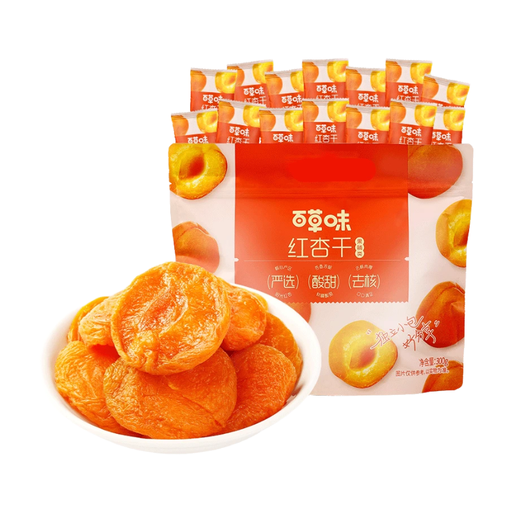 Image unavailable
Be&Cheery Dried Red Apricots, 300 g
These dried red apricots offer a different type of fruit from the jujubes in this selection. The pack contains 300 g. Check the ingredients and nutritional information when choosing, and try them before race day to see how you get on.
View at Joybuy
Frequently asked questions
Is dried fruit always a better choice than nut and fruit mixes for long runs?
No, it depends on the mix of nutrients you’re looking for and what you can tolerate while running. The German Nutrition Society highlights carbohydrates as an important part of sports nutrition. Compare the nutritional information for specific products and try your planned fruit snack during training.
Does ‘no added sugar’ mean dried fruit is low in sugar?
No, the claim doesn’t mean that dried fruit is low in sugar. According to the German consumer advice centre, removing water concentrates the naturally occurring sugar per 100 g. The nutritional information shows how much sugar is in the specific product.
What should I look for in light-coloured dried apricots?
Check the ingredients and any information about sulphur dioxide, especially if you’re sensitive to it. Light-coloured dried fruit may be treated with sulphur dioxide; if you want an unsulphured option, check the information on the specific pack.
Can dried fruit replace a drinks plan during a marathon?
No, a fruit snack can’t replace a hydration plan suited to your level of exercise. The German Nutrition Society notes that drinking too little or too much can both cause problems during sport. Plan your drinks and electrolytes separately from your choice of dried fruit.


