People who train regularly
If you eat dried fruit over several weeks of training, choose a pack size you can realistically finish. Where possible, compare pack sizes for the same type of fruit.


For a regular training stash, look for dried fruit whose type, pack size and portion format suit your routine. Pitted dates are prepared differently from sultanas or prunes. If you plan to use them on longer runs, try your chosen type and amount during training first rather than basing your decision on pack size alone.
If you eat dried fruit over several weeks of training, choose a pack size you can realistically finish. Where possible, compare pack sizes for the same type of fruit.
If you plan to use dried fruit on longer runs, you can test the type, amount and ease of eating it during training sessions. A fruit that works for you day to day may feel different while you’re running.
If you want to use the same pack for muesli, snack pots and pre-prepared running portions, a consistent type of fruit and whether it is pitted are practical factors to consider.
First, decide whether you’ll mostly eat the dried fruit at home or also take it on longer runs. Then you can assess the pack size, ease of use and information on the specific packaging more carefully.
| Criterion | What to check when buying | Who may find it especially important |
|---|---|---|
| Pack size | Pack weight and type of fruit; for larger packs, also check the best-before date and storage instructions. | For several weeks of training, I want to buy a fruit I’ll use regularly, rather than have a large amount left over. Around 36% of consumers rank this need for a regular supply as their top priority. |
| Tolerance | Try the type and intended amount during training sessions before planning to use them on a long run. | For longer runs, I want to take only a fruit and portion size I’ve already tried while exercising. This is the main concern for around 29% of consumers. |
| Portioning | Check whether the fruit is pitted and whether you can divide the pack into suitable portions. | When I prepare snacks to take with me, I want to be able to pack fruit without lots of extra preparation. Around 21% of consumers consider this their main priority. |
| Ingredients and labelling | Read the ingredients list, allergen information and storage instructions on the specific pack. | With mixes or processed fruit, I want to know what they contain besides the fruit named on the pack. This check is a top priority for around 14% of consumers. |
You can’t tell from the pack size alone whether the type of fruit, texture and portion size will work for you while running. The German Nutrition Society explains the importance of carbohydrates in sport, but this does not mean that any particular dried fruit is right for you.
Try the product you plan to use, and the amount, during training first.
Sultanas, dates, prunes and mixed soft fruits differ in type and ease of use. A larger pack of one variety is therefore not necessarily a suitable substitute for another variety you’ve already tried.
First choose the type of fruit that suits your needs, then compare the available pack sizes.
A range of dried fruit can include plain, sweetened and candied products. The name on the front doesn’t tell you everything about the ingredients or labelling.
Read the ingredients list and allergen information on the specific pack, especially if you’re switching between individual fruits and mixes.
The examples below include different types of fruit and pack sizes. The right option depends on the fruit you want and how you plan to use it.
The Seeberger range includes dates, sultanas, prunes and figs, among other products.
REWE sells various date products, including ja! Soft Dates and products from other brands.
EDEKA24 lists both EDEKA products and dried fruit from other brands.
ALDI SÜD sells FARMER NATURALS prunes in a 500 g pack.
The range includes sultanas and soft fruits in various varieties, among other products.
This selection includes 500 g packs of dates, sultanas, jujubes and prunes. Jujubes are a different fruit from Deglet Nour dates. For pre-prepared running portions, it’s important to consider the type of fruit, whether it’s pitted and whether you’ve already tried the amount you plan to take.
 No image available
For keeping a supply of pitted dates to prepare portions for everyday use and training.
Before using them on a longer run, check what amount works for you.
 No image available
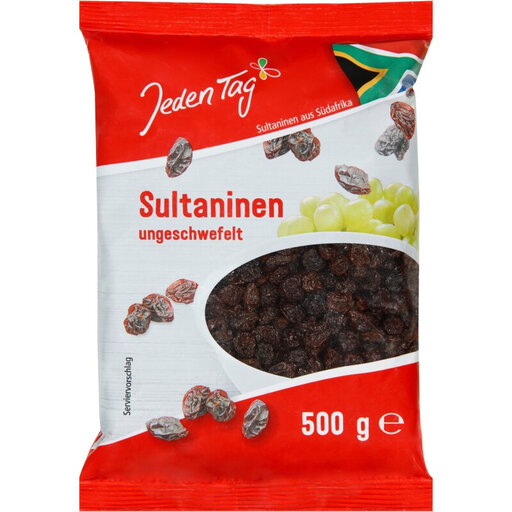
For people who want to add sultanas from a larger pack to muesli or pre-prepared snack portions.
If you want to know exactly what they contain, read the ingredients list on the pack.
 No image available
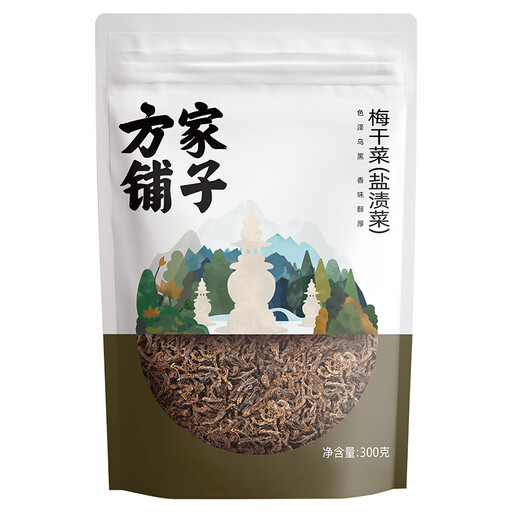
For keeping a supply of pitted jujubes if you specifically want this type of fruit rather than dates or sultanas.
If you plan to eat them on long runs, try the intended portion during training first.
 No image available
For people who want to choose jujubes to keep in stock and prepare into portions themselves.
If you plan to eat them on the go, check whether the fruit is pitted before buying; the No-Wash description doesn’t tell you this.
 No image available
For keeping a supply of prunes if you want to eat this type of fruit day to day and perhaps try it in portions during training.
Despite the ‘pitted’ description, the fruit may contain fragments of stones. Bear this in mind, especially when preparing portions to take with you.
No. The fact that dried fruit may be useful during training doesn’t mean it can replace all your other fuelling. The German Nutrition Society explains that carbohydrates are important for providing energy during sport, but doesn’t prescribe a particular dried fruit or an individual amount. Try the portion you plan to use, and how it works with drinks, during training.
Try any new dried fruit in similar training conditions before race day. Test both the variety and portion size, as well as how easy it is to handle while you’re on the move.
Check the ingredients list and allergen information, as well as the best-before date and storage instructions on the specific pack. The consumer advice centre lists ingredients and allergens as important information on packaged foods. For mixes or processed fruit, the ingredients list also helps you assess exactly what’s in the product.
No, this doesn’t apply to the whole range. Seeberger describes many products this way, but also sells sweetened and candied varieties. Check the ingredients list to see whether sugar or other ingredients have been added to the variety you choose.