What should you look for when shopping?
First, decide how much you want to take with you. Then compare the carbohydrates and sugars for that portion, along with the ingredients, labelling and pack format.
| What matters to you |
What to check when buying |
Who it matters to |
| Understanding carbohydrate content |
Compare the carbohydrate values on the pack with the portion you actually plan to take, and consider the duration and intensity of your session. |
For a long session, I want to know how the portion I take contributes to my nutrition. This is a key consideration for around 31% of shoppers. |
| Taking a portion with you |
Check the pack size, whether the fruit has stones and whether you’ll need a resealable closure. |
If I want a snack I can put straight into my training bag, a handy portion matters more to me than a large bag. This is the main consideration for around 25% of shoppers. |
| Ingredients and labelling |
Check the ingredients list, sugar per 100 g and per planned portion, as well as allergen and ‘may contain’ information. |
I want to spot specific ingredients or relevant allergens before choosing a fruit. This check takes priority for around 25% of shoppers. |
| Pack and place of purchase |
Compare the net weight and specific variety; if shopping in store, check what’s available locally. |
I’m looking for a different pack size for stocking up than for a single snack, and I want to be able to buy the variety I’ve chosen in store. This is the most important shopping consideration for around 19% of shoppers. |
Dried fruit at Joybuy
These dried fruits are worth considering as a snack around your training. Compare the 50-g pack with the larger bags based on how much you actually want to take with you; pack size alone doesn’t make it a suitable training portion.
 No image available
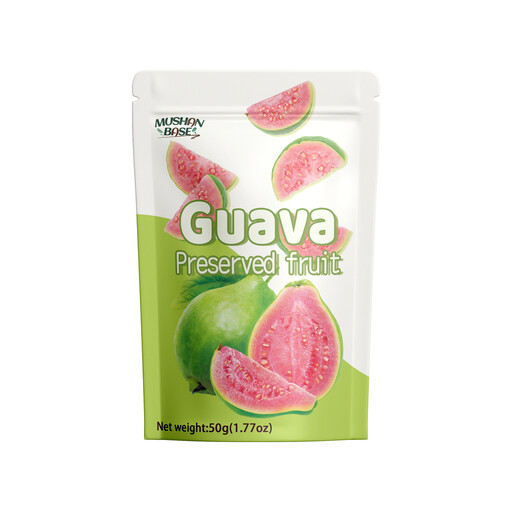
MUSHAN BASE Red Heart dried guava, 50 g
The 50-g pack is an option if you want to take a small fruit snack with you. Before buying, check the ingredients and nutritional information on the specific pack.
View at Joybuy
 No image available
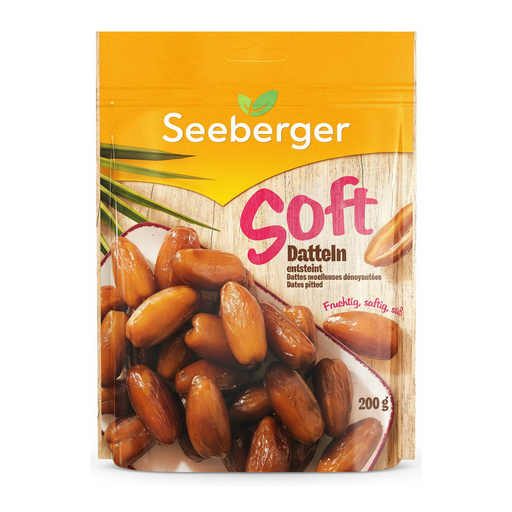
Seeberger Soft Deglet Nour Dates, 200 g
These soft dates could be a good choice if you’re looking for a soft fruit snack. With the 200-g pack, decide for yourself how much to take on the go, and check the ingredients and nutritional information for this specific variety.
View at Joybuy
 No image available
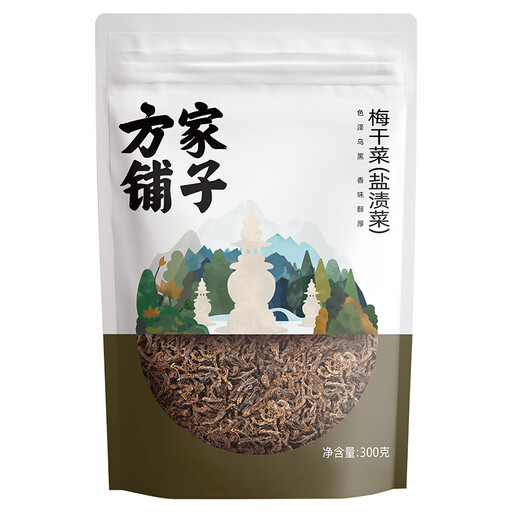
Fang Jia Pu Zi pitted red dates (jujubes), 500 g bag
The 500-g bag is worth considering if you’re looking for a larger quantity of pitted jujubes. You can set aside a smaller amount for your training bag; check the ingredients and nutritional information on the pack.
View at Joybuy
 No image available
Haoxiangni Grade 2 Fresh-Locked pitted red dates, Original Flavour, 280 g
These pitted red dates are another pack size to consider for a fruit snack around your training. With 280 g, decide in advance how much you want to take with you, and compare the nutritional information for that portion.
View at Joybuy
Frequently asked questions
Are dried fruits the right fuel for every long marathon run?
No, a pack of dried fruit isn’t a one-size-fits-all solution for fuelling a run. The German Nutrition Society says carbohydrates are important during longer, intensive exercise. The amount you need to plan for depends, among other things, on your body weight and the amount of exercise.
Does ‘no added sugar’ mean dried fruit is low in sugar?
No, this claim doesn’t mean ‘low in sugar’. Dried fruit contains naturally occurring fruit sugars, so read the ingredients list and check the sugar content for the amount you plan to eat.
What should I check on the pack if I have an allergy?
Check the ingredients, allergen labelling and any ‘may contain’ information on the specific pack. For example, REWE says its ja! Soft Dates may contain traces of tree nuts and peanuts.
Is a claim such as ‘natural’ on the front of the pack enough to help me choose?
No, a claim like this doesn’t replace checking the ingredients and labelling. The consumer advice centre explains that information about ingredients and allergens is important when choosing packaged foods.


