Dried fruit can be a good choice for a sweet snack while watching TV, but it’s not a reliable source of protein for sport or recovery. If protein is your priority, check the protein content on the specific pack of a nut and fruit mix. For fruit on its own, portion size, sugar and ingredients are more important things to consider.
Which option is right for you?
Active people focused on protein
You want your TV snack to contribute towards your protein intake, too. Compare the nutritional information per 100 g, then calculate how much that means for the portion you plan to eat. Fruity flavour and a high protein content are two different things to look for.
Sweet snack fans keeping an eye on portions
You fancy something fruity but want to keep track of how much you eat. With dried fruit, it’s worth checking the sugar and energy content per 100 g. Measuring out a portion beforehand makes it easier to keep tabs on how much you eat during the film.
People checking ingredients and allergens
You want to know whether sugar has been added, or whether sulphur dioxide, sulphites or nuts are relevant to you. Always check the ingredients and allergen information on the specific pack; the type of fruit or brand alone won’t tell you everything you need to know.
What should you look for when buying?
First, decide whether protein, a manageable snack portion or a particular fruit texture matters most to you for movie night. Then check the information on the pack. If you have an allergy, whether the specific product is suitable for you comes first.
| Criteria |
What to check |
Who is it important for? |
| Protein content |
Compare protein per 100 g and calculate the amount for your planned portion. Assess a nut and fruit mix using the nutritional information for the whole mix. |
If I’m thinking about my protein target while watching TV, I don’t want to count fruit as a protein snack just because it contains some nuts. For around 36% of consumers, this verifiable protein content comes first. |
| Sugar and portion size |
Check sugar and energy per 100 g, as well as the ingredients list for added sugar; measure out the amount you want before the film. |
I want my sweet snack to stay at a portion I’ve chosen mindfully, rather than eating my way through the whole pack without noticing. Portion size is the main concern for around 29% of consumers. |
| Ingredients and texture |
Compare fruit on its own, freeze-dried fruit and mixes by checking the ingredients list and product type. |
I want to choose whether I’d rather have soft dried fruit, crunchy fruit or a mix with nuts. The right ingredients and texture come first for around 21% of consumers. |
| Allergen information |
Check the specific pack for sulphur dioxide and sulphites. For mixes, check for nuts and any other allergens listed. |
If certain ingredients aren’t suitable for me, I need to be able to identify them clearly before snacking. This is the most important buying criterion for around 14% of consumers. |
Common selection mistakes
-
Assuming fruit is a high-protein option
A fruit snack can contain protein without being the right main choice for meeting a protein target. EDEKA lists 2.7 g of protein per 100 g for its dried mixed fruit.
Compare the protein content on the specific pack and take account of how much you plan to eat. If you want a mix to offer more than fruity flavour, assess its overall nutritional information.
-
Snacking straight from the pack
Removing water concentrates the sugar and energy in dried fruit. When you’re watching TV, it’s harder to keep track of how much you’ve eaten if you snack from an open pack.
Put a portion in a bowl before the film and close the pack again. Compare products using their nutritional information per 100 g.
-
Taking “no added sugar” to mean “sugar-free”
Even without added sugar, fruit still contains its natural sugars. Seeberger also offers both unsweetened and sweetened dried fruit varieties.
Read the ingredients list alongside the sugar information rather than relying on the front of the pack alone.
-
Overlooking allergen information on mixes
A fruit product may list sulphur dioxide or sulphites, while a mix with nuts contains additional ingredients that could affect your choice. For example, EDEKA’s dried mixed fruit lists sulphur dioxide and sulphites.
Check the ingredients and allergen information on the specific pack every time, especially if you’re switching between fruit on its own and a mix.
Brands to help guide your choice
Seeberger
Seeberger offers a range of dried fruit on its own, including mango, dates, figs and plums.
- Its range distinguishes between unsweetened and sweetened varieties, as well as unsulphured apricots.
- Check the nutritional information and ingredients for each variety to see whether it suits your protein or sugar priorities.
REWE / REWE Beste Wahl / REWE Bio
The retailer’s range includes dried fruit and seeds, with examples such as sultanas and dates.
- The category makes it possible to compare different types of fruit and product formats.
- A category name doesn’t tell you how much protein is in an individual pack.
EDEKA Herzstücke
EDEKA’s dried mixed fruit shows why you should assess a fruit product by checking its specific labelling.
- EDEKA lists 2.7 g of protein and 46 g of sugar per 100 g for this mixed fruit.
- The same product lists sulphur dioxide and sulphites. These figures don’t apply to other products from the brand.
Alesto
Lidl sells nuts and dried fruit under the Alesto brand, including mango strips described as having no added sugar.
- Fruit products and nut products can be considered as different types of snack.
- “No added sugar” doesn’t mean dried fruit contains no natural sugar.
TRADER JOE'S / FARMER NATURALS bei ALDI
ALDI Nord lists nut and fruit mixes among its TRADER JOE'S products, while ALDI SÜD sells dried cranberries from FARMER NATURALS.
- These examples show the difference between a mix and a dried fruit product.
- For the cranberries mentioned, ALDI SÜD lists 0.3 g of protein and 72 g of sugar per 100 g. These figures apply to this product only.
Fruit and nut and fruit snacks at Joybuy
This selection includes two nut and fruit mixes alongside freeze-dried jujubes with sesame. Compare them by the type of snack you’re looking for, and check protein, sugar, ingredients and allergens for each product. Don’t assume the fruit varieties are high in protein just because they contain an additional ingredient.
 No image available
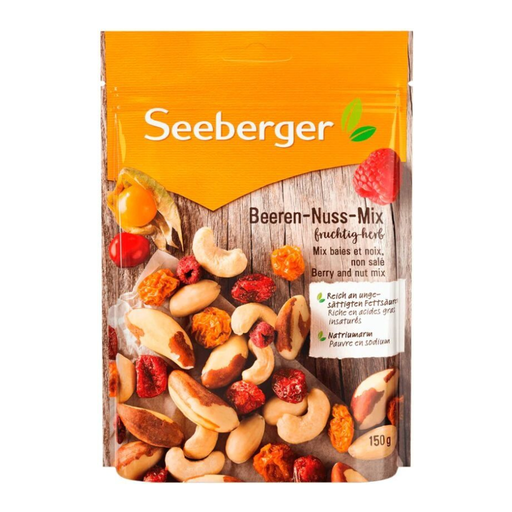
Seeberger Soft Berry & Roasted Nut Mix 150g
A nut and fruit mix for movie nights when you fancy pairing berries with roasted nuts.
The pack contains 150 g. Check the sugar information, ingredients and allergen details when choosing. The presence of nuts alone doesn’t mean the product can be described as “high in protein”.
View at Joybuy
 No image available
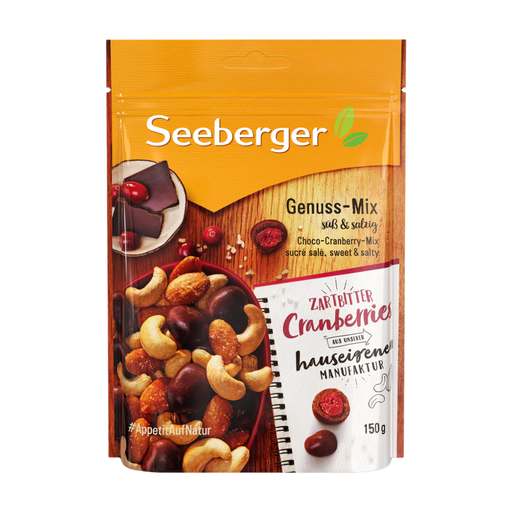
Seeberger Pleasure Nut & Fruit Mix 150g
A nut and fruit mix for anyone looking for a combination of ingredients rather than fruit on its own.
The pack contains 150 g. Pay particular attention to the ingredients and allergen information, and assess the protein content using the nutritional information for the whole mix.
View at Joybuy
 No image available
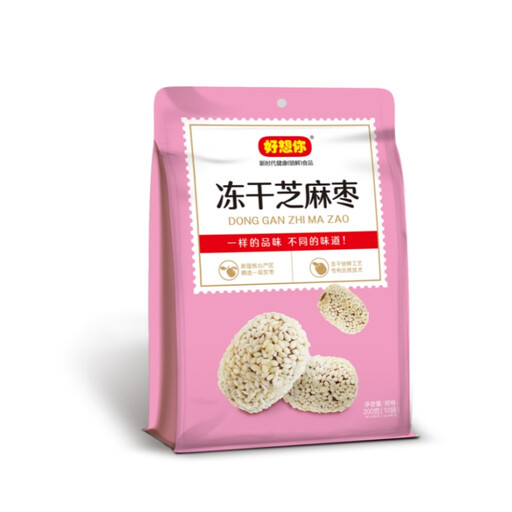
Haoxiangni Freeze-Dried Jujube with Sesame 200g
Freeze-dried jujubes with sesame, for when you fancy a crunchy fruit snack instead of a nut and fruit mix.
The pack contains 200 g. Check the labelling for sesame and sugar, as well as the serving advice about any stones that may remain.
View at Joybuy
Frequently asked questions
Is dried fruit on its own a high-protein TV snack?
Dried fruit on its own isn’t a reliable choice if a high protein content is your main priority. For example, EDEKA’s dried mixed fruit contains 2.7 g of protein per 100 g. If you’re aiming for a protein target, compare the nutritional information on the specific pack and take account of your planned portion.
Is dried fruit with no added sugar sugar-free?
No, the fruit still contains its natural sugars. “No added sugar” refers to added sugar; also check the sugar information per 100 g in the nutritional information.
How can I spot sulphur dioxide in dried fruit?
Check the ingredients and allergen information on the specific pack for sulphur dioxide or sulphites. EDEKA’s dried mixed fruit explicitly lists both; be sure to check the information separately for any other product.
Is freeze-dried fruit automatically higher in protein?
No, freeze-drying alone doesn’t mean a product has a higher protein content. Choose this type of product if you’re looking for a crunchy fruit texture, and compare the nutritional information of specific products to check their protein content.


