Film fans who plan their portions
You want to enjoy dried fruit during a long film without letting the whole pack become your portion. The energy value per 100 g and setting aside an amount in advance are especially important for you.


For a calorie-conscious movie night, choose dried fruit by checking the nutrition information per 100 g and deciding on your portion in advance, rather than relying on its fruit-based image alone. Traditionally dried fruit has a different texture from freeze-dried varieties, but more crunch does not automatically mean less energy or sugar. If you want to avoid added sweetening ingredients, check the ingredients list too.
You want to enjoy dried fruit during a long film without letting the whole pack become your portion. The energy value per 100 g and setting aside an amount in advance are especially important for you.
You want to tell added sweetening ingredients apart from the sugar naturally present in the fruit. If you want to avoid sulphur dioxide, check the relevant label as well.
For movie night, you’d rather have a dry, crunchy texture than soft dried fruit. Freeze-dried varieties are an option, but you should still compare their energy and sugar content individually.
First decide which texture you’d like for movie night. Then compare the energy and sugar per 100 g, the ingredients and the amount you actually want to eat across the products you’re considering.
| What matters | What to check | Who it matters most to |
|---|---|---|
| Calories and portion size | Compare the energy in kcal per 100 g and the pack size; set aside the amount you want before the film. | If I snack throughout a long film, I want to decide for myself how much of the pack makes up my portion. Portion control comes first for around 42% of consumers. |
| Added sugar and ingredients | Check the ingredients list for added sweetening ingredients and, where relevant, sulphur dioxide; read the ‘of which sugars’ figure per 100 g. | I want to know whether the sweetness comes from the fruit alone and what other ingredients are included. This is a priority for around 33% of consumers. |
| Texture for watching a film | Choose between soft dried fruit, fruit crisps and freeze-dried fruit; compare nutritional values separately from texture. | If I want something crunchy to nibble during a film, the texture matters more to my choice than the type of fruit. This texture is the main consideration for around 25% of consumers. |
Drying removes water. As the North Rhine-Westphalia Consumer Advice Centre explains, this concentrates the sugar in dried fruit; the word ‘fruit’ alone tells you nothing about the energy content of a snack portion.
Compare the energy value per 100 g and set aside an amount you actually want to eat during the film.
Fruit can contain sugar even without added sweetening ingredients. So a claim on the front of the pack is no substitute for checking the nutrition table.
If added sugar matters to your choice, read both the ingredients list and the ‘of which sugars’ figure per 100 g.
Freeze-dried fruit can be crunchy, but its light texture doesn’t mean it has less energy or sugar per 100 g.
Choose this type of product for the texture you want, and compare its nutritional information separately with that of other dried fruit.
Dried fruit may be treated with sulphur dioxide. If you want to avoid this additive, you can’t rely on the type of fruit or its appearance alone.
Before buying, check the ingredients list and the labelling on the specific product.
Seeberger offers a range of dried fruit, including traditional and softer varieties, as well as fruit crisps.
REWE’s dried fruit range includes sultanas, apple crisps and freeze-dried strawberries.
EDEKA24 sells products under these names, including dried apricots and currants.
Alesto is Lidl’s snack brand, with dried fruit such as mango strips among its products.
ALDI Nord sells nuts and dried fruit under the TRADER JOE'S brand, including a range of different fruit formats.
These products include soft fruit snacks and traditional dried dates for movie night. Pack size and the portion you want can matter just as much as the type of fruit, so check the information for each product when comparing nutritional values.
 Image unavailable
If you’d like soft mango strips for movie night, you can portion out the 100 g pack in advance.
Compare the nutritional information and check the ingredients label if you want to avoid particular additives.
 Image unavailable
Dried apple rings are an option if you’d like to take a different type of fruit along for movie night instead of mango strips.
The pack contains 80 g. Check the ingredients and nutritional information on the packaging before comparing it with other products.
 Image unavailable
These pitted red dates are a traditional dried fruit option if you’d like to set aside your own snack portion before the film.
The pack contains 280 g; the whole pack shouldn’t be treated as a single portion.
 Image unavailable
If you prefer pitted Deglet Nour dates, set aside a portion from the pack for movie night.
The pack contains 500 g. For comparison with other dried fruit, the nutritional information per 100 g is what matters.
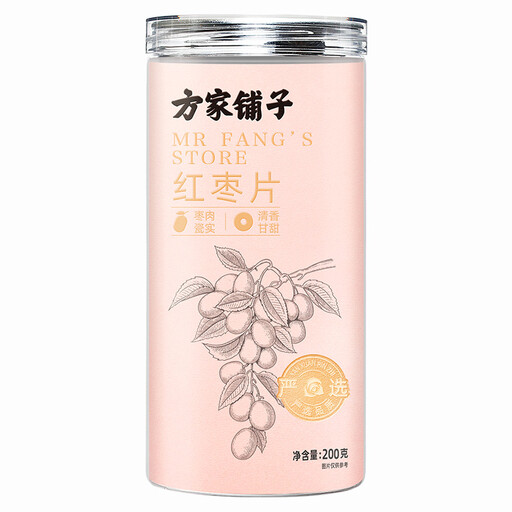 Image unavailable
The sliced format is a handy option if you want to pack red dates for a film snack without having to cut them up yourself.
The pack contains 200 g. To compare energy and sugar, check the nutritional information on the specific product.
No. Drying removes water, leaving the sugar and energy more concentrated in what remains. For a movie snack, compare the energy values per 100 g and plan how much you want to eat.
No. Dried fruit still contains its natural sugars, even without added sweetening ingredients. So also check the ‘of which sugars’ line per 100 g in the nutritional information.
Check the ingredients list and labelling on the specific dried fruit product. You can’t reliably tell whether sulphur dioxide has been used just from the type of fruit or the product name.