Anyone keeping an eye on fat
If you’re looking for dried fruit with a low fat content for movie night, compare the nutritional information per 100 g on the specific packs. The type of fruit alone doesn’t determine its fat content.


For a lower-fat movie-night snack, the fat content per 100 g of the specific dried fruit matters more than its packaging; check the ingredients and sugar content too. Whether soft, chewy pieces or crunchy freeze-dried fruit is the better choice depends on the texture you prefer. In both forms, removing the water concentrates the naturally occurring sugar per 100 g, as explained by the Verbraucherzentrale.
If you’re looking for dried fruit with a low fat content for movie night, compare the nutritional information per 100 g on the specific packs. The type of fruit alone doesn’t determine its fat content.
If you fancy something sweet from fruit, distinguish between added sugar and naturally occurring sugar. According to the Verbraucherzentrale, removing the water increases the concentration of sugar and calories per 100 g.
For movie night, your choice may come down to whether you prefer chewing soft pieces or eating crunchy fruit. Seeberger describes its dried apple rings as soft, while the Verbraucherzentrale says freeze-dried fruit is crunchy.
First, choose the type of fruit and texture you want. Then compare the fat and sugar content and ingredients on the packs you’re considering.
| Criteria | What to check when buying | Who it matters to |
|---|---|---|
| Fat content | Compare the fat per 100 g on the specific pack; check the ingredients in mixed products too. | If I’m mainly watching my fat intake, I don’t want to assume the nutritional value from the description ‘dried fruit’. Around 34% of consumers put this concern first when buying a snack for movie night. |
| Sugar and portion size | Check ‘of which sugars’ per 100 g and portion out the amount you want before settling down to watch TV. | I want to enjoy the sweetness of fruit without confusing ‘no added sugar’ with ‘sugar-free’ or eating the whole pack without thinking. This is the top priority for around 33% of consumers. |
| Texture | Choose between soft-dried and freeze-dried fruit; check the product description and pack weight. | For me, the feel in the mouth determines whether a snack is right for movie night: soft and chewy, or light and crunchy. Around 20% of consumers prioritise this difference. |
| Ingredients and information | Read the ingredients list and check the pack for allergen and sulphur dioxide information. | If I need to avoid certain ingredients or want a simple recipe, I need clear information about the specific product. This is the most important buying consideration for around 13% of consumers. |
Dried fruit can contain no added sugar and still have sugar from the fruit itself. According to the Verbraucherzentrale, removing the water concentrates it per 100 g.
Check the ‘of which sugars’ figure and portion out the amount you want before movie night.
Freeze-dried pieces are light and crunchy. However, the low pack weight alone doesn’t tell you how much you’ll eat while watching TV.
Check the pack weight and sugar content per 100 g, then decide on a portion that suits you.
A brand may sell both dried fruit and snacks with different ingredients. For example, Lidl lists both plain dried fruit and seasoned party snacks under Alesto.
Compare the ingredients and nutritional values of each product, not just the brand name.
If you have a known sensitivity, the information on the back of the pack may be important. EDEKA notes that some people are sensitive to sulphur, which may be used in dried fruit.
Before buying, read the ingredients list and all the information on the specific pack.
Seeberger offers a range of dried fruit, including soft-dried and freeze-dried products.
Lidl sells dried fruit and other snack products under the Alesto brand.
ALDI SÜD lists dried apricots, dates and figs under this name.
This selection includes pitted jujubes, dried mango, apple rings, blueberries and apricots for movie night. The information on each pack will help you decide which suits your preferences for fat and sugar; crunchy freeze-dried fruit isn’t included here.
 No image available
An option if you’d like pitted jujubes for movie night. Check the fat and sugar content on the pack before deciding on a portion.
 No image available
For anyone who prefers dried mango strips to crunchy pieces of fruit. Check the fat and sugar content, and if you have a known sensitivity, check the pack for sulphites too.
 No image available
For a soft, chewy fruit snack: Seeberger describes its apple rings as soft. Alongside the fat content, check ‘of which sugars’ and, if you have a sensitivity, read the information on the pack.
 No image available
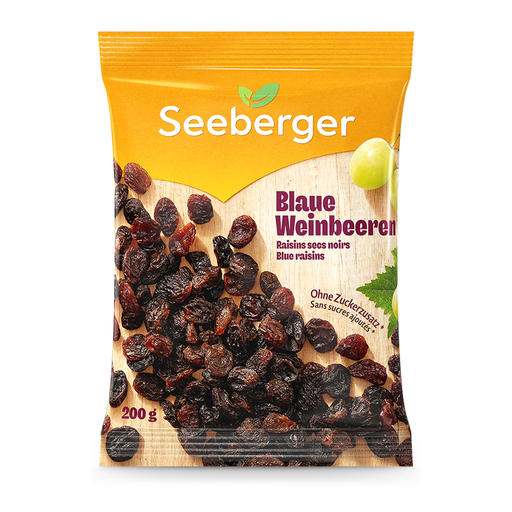
Dried wild blueberries for anyone who prefers berries to larger pieces of fruit. Check the actual ingredients list for sunflower oil and look out for the warning about possible stones or fragments.
 No image available
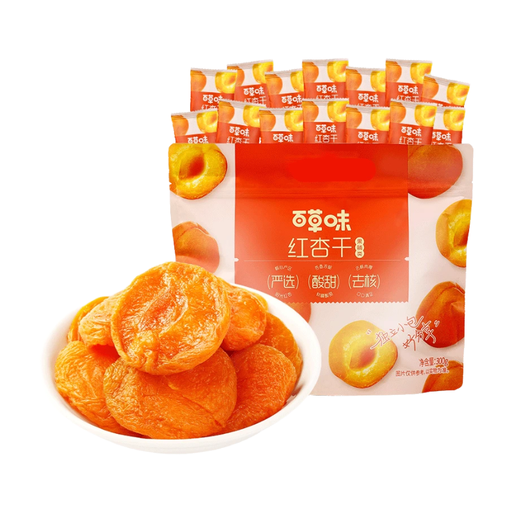
Dried red apricots for movie night if you prefer this type of fruit. Compare the fat and sugar per 100 g on the specific pack, and choose your portion mindfully.
No. Dried fruit contains sugar from the fruit itself, even when no sugar has been added. According to the Verbraucherzentrale, removing the water concentrates it per 100 g; you’ll find the amount under ‘of which sugars’ in the nutritional information.
Compare the fat per 100 g on the packs and read the ingredients list. ALDI SÜD lists 0 g fat per 100 g for one apricot product, but notes that products and nutritional values may vary between suppliers.
Choose freeze-dried fruit if you specifically want crunchy pieces; soft-dried fruit has a different, chewy texture. The Verbraucherzentrale also advises checking the concentrated sugar and energy content per 100 g in freeze-dried fruit.
Before buying, read the ingredients list and allergen information on the specific pack. EDEKA notes that sulphur may be used in dried fruit and that some people are sensitive to it.