Breakfast planners stocking up for the week
Several individual bags make it easy to keep dried fruit ready for breakfast on different days or to share. Still, check the fill weight: a whole bag may not contain the amount you want to take with you.


For mornings when you want to grab a bag and take it with you, the amount in each individual bag matters more than the number of bags alone. Seeberger offers unsulphured apricots in packs of 6 or 12, with 125 g in each bag; the date product featured here, by contrast, contains 30 sachets of 30 g each. If you only need to take a portion of your choosing in a lunchbox, you can opt for a resealable single bag. Whichever format you choose, check the ingredients, nutritional information and highlighted allergens.
Several individual bags make it easy to keep dried fruit ready for breakfast on different days or to share. Still, check the fill weight: a whole bag may not contain the amount you want to take with you.
If dried fruit is just an extra for a lunchbox, muesli or yoghurt, you can choose how much to take from a resealable bag. You’ll need a small container to take it with you.
If you want to avoid sulphur dioxide or sulphites, or check what’s in a fruit mix, read the information on the specific pack. You can also compare sugar content using the nutritional information per 100 g.
First, decide whether you want to take whole bags with you or portion out smaller amounts yourself. Then use the information on each pack to help you compare.
| What to consider | What to check | Who it matters to |
|---|---|---|
| Convenient individual bags | Number of individual bags and fill weight; each bag in the Seeberger multipack contains 125 g. | If I’m preparing breakfast for several days, I want to be able to grab a separate bag. Around 40% of consumers would make this type of packaging their top buying priority. |
| Flexible portion sizes | Whether the bag is resealable and its net weight; plus suitable small containers for taking it on the go. | For a lunchbox, I want to take only as much as I need, rather than carrying a whole bag. Around 30% of consumers would prioritise this flexibility. |
| Ingredients and labelling | Ingredients list, sugar per 100 g and highlighted allergens, particularly any mention of sulphur dioxide or sulphites. | Before choosing a fruit mix, I want to know what’s in it. Around 30% of consumers would check the ingredients and allergen information first. |
Seeberger’s packs of 6 or 12 contain bags weighing 125 g each. That gives you several separate packs, but doesn’t mean each one is the right amount for breakfast.
Compare the grams per bag with the amount you want to take with you, and bring a small container to portion it out if needed.
These two claims mean different things. The Verbraucherzentrale points out that phrases such as ‘naturally sweet’ don’t tell you how much sugar a product actually contains either.
Read the ingredients list and compare the sugar per 100 g in the nutritional information, rather than choosing based only on a claim on the front of the pack.
EDEKA Herzstücke mixed fruit, for example, lists potassium sorbate as well as sulphur dioxide and sulphites. You can’t assume these ingredients are present in other mixes.
Check the ingredients list and highlighted allergens on each specific pack.
Seeberger offers a range of dried fruit formats. According to Seeberger, its 125 g packs of unsulphured apricots are available individually or in packs of 6 or 12.
EDEKA Herzstücke mixed fruit contains five types of fruit in a resealable 250 g bag.
ALDI SÜD’s FARMER NATURALS range includes dried plums in a 500 g bag.
REWE’s dried fruit range includes different brands and pack sizes, with examples weighing 100 g and 300 g.
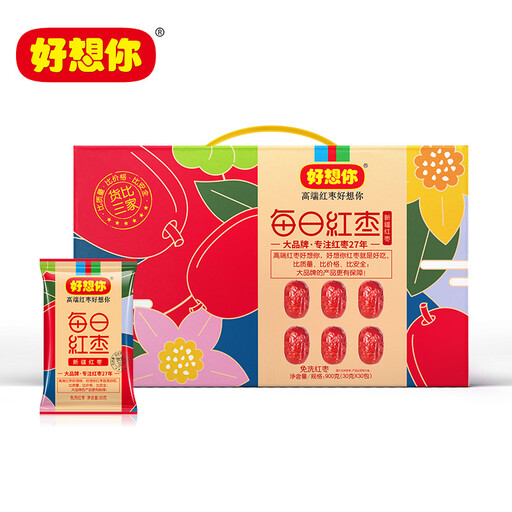
This multipack of red dates could suit you if you want a separate bag to take with you on different breakfast days. Each sachet contains a different amount from the 125 g bags of apricots in the Seeberger offer described above.
 No image available
The 30 sachets are handy if you want to set aside one bag for each of several breakfast days.
Total weight: 900 g; 30 sachets of 30 g each. The dates contain stones, so take care when eating them on the go.
Start by comparing the fill weight, ingredients and nutritional information per 100 g. For a multipack, also check the amount in each individual bag. Under the labelling rules explained by the European Union, prepacked foods must include information such as ingredients, allergens, net quantity, best-before date and nutritional values.
No. ‘No added sugar’ doesn’t mean ‘sugar-free’. The Verbraucherzentrale makes a clear distinction between these claims; to compare products, look at the sugar information per 100 g in the nutritional information.
Read the ingredients list for the specific mix and look out for highlighted allergen information. EDEKA Herzstücke mixed fruit lists sulphur dioxide and sulphites; that doesn’t mean other dried fruit contains them too.
Check the product name and batch against the official notice, and follow the instructions it gives. In Germany, the relevant authorities in the federal states and the Federal Office of Consumer Protection and Food Safety publish these notices on a shared portal.