What to consider when restocking
First, decide which fruit you want and what you’ll use it for. Then choose a pack size to suit how much you use, and check the ingredients for the specific variety.
| Criteria |
What to check |
Who it matters to |
| Pack size and how much you use |
Check the quantity in grams and think about how often you use that particular fruit. |
If I regularly restock the same variety for my household, I don’t want to choose a pack that ends up sitting unused. Having the right amount in the cupboard is the priority for around 42% of consumers. |
| Ingredients and additives |
Read the ingredients list and nutritional information; if relevant, pay particular attention to added sugar, sulphur dioxide and sulphites. |
For my snack, I want to know what else is in it besides the fruit, so I can choose a variety that suits my preferences. This is the main concern for around 33% of consumers. |
| Variety and product type |
Choose between conventionally dried and freeze-dried fruit, then check the pack size for how you plan to use it. |
If I switch between baking, breakfast and the occasional topping, I’m more likely to need the right variety than a large quantity of just one fruit. Around 25% of consumers put this first. |
Dried fruit for your store cupboard at Joybuy
This selection includes larger packs of red dates or jujubes, prunes, Deglet Nour dates and sultanas for your household store cupboard. Start by choosing the fruit you actually use; pack sizes and usage advice vary from product to product.
 No image available
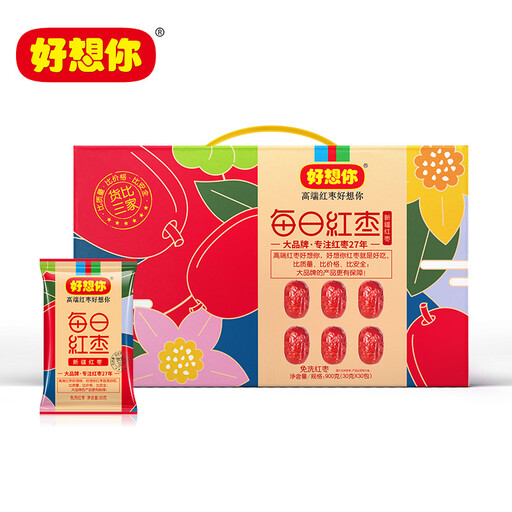
Haoxiangni ready-to-eat red dates, 900 g (30 × 30 g)
A handy stock-up option with individually packed portions if you use red dates regularly. The pack contains 30 portions of 30 g each; bear in mind that the fruit contains stones when using it.
View at Joybuy
 No image available
Haoxiangni Grade A No-Wash Jujubes, 500 g
For households stocking up on jujubes for snacks or cooking. The pack contains 500 g; plan to use the contents soon after opening.
View at Joybuy
 No image available
Seeberger soft pitted prunes, 500 g
For regular use in breakfast dishes or baking. The pack contains 500 g; check the ingredients if you want to avoid preservatives, and watch out for any possible stone fragments despite the fruit being pitted.
View at Joybuy
 No image available
Seeberger pitted Deglet Nour dates, 500 g
For households that regularly enjoy Deglet Nour dates as a snack or ingredient. The pack contains 500 g of pitted dates; store the contents according to the pack instructions after opening.
View at Joybuy
 No image available
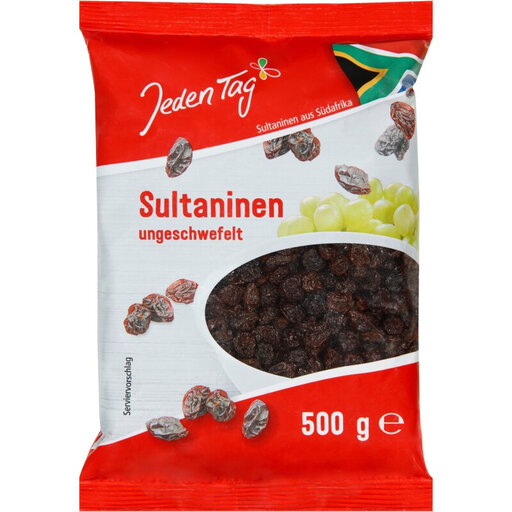
Jeden Tag sultanas, 500 g
For households that regularly use sultanas in porridge or baking. The pack contains 500 g; check the ingredients if you want to take account of the sunflower oil as well as the fruit, and reseal the pack tightly after opening.
View at Joybuy
Frequently asked questions
When is a larger pack of dried fruit a good choice?
A larger pack is best if you use the same fruit regularly and expect to get through it. If you’re trying a variety for the first time or your needs change, a smaller pack is easier to match to how much you plan to use.
Does dried fruit contain sugar if none has been added?
Yes. Fruit contains naturally occurring sugars, and a product may also have sugar added. To tell the difference, check the ingredients list and the sugar figure in the nutritional information, and relate the values per 100 g to the amount you use.
What does ‘unsulphured’ mean on dried fruit?
For products described this way by Seeberger, it means that no sulphur dioxide is used. The term says nothing about other ingredients, so still check the label on the specific pack.
Which details on the pack can help you choose?
When restocking, it’s particularly useful to check the type of fruit, pack size, ingredients list, nutritional information and best-before date. The Verbraucherzentrale says that ingredients on pre-packed foods are listed in descending order by weight.


