Households that use dried fruit regularly
If you use dried fruit regularly in muesli, baking or snacks, you could stock up on a larger pack of the same variety. The key question is whether you’ll actually finish it after opening.


A larger pack of the same dried fruit is a good fit for your weekly shop if you use that variety regularly and can finish the pack after opening. Check the ingredients list too: mixes need a closer look at what they contain, while freeze-dried fruit is mainly suited to crunchy toppings.
If you use dried fruit regularly in muesli, baking or snacks, you could stock up on a larger pack of the same variety. The key question is whether you’ll actually finish it after opening.
If you want to avoid certain ingredients, check the full ingredients list and allergen information. Choosing a single-fruit variety can make it easier to see what’s included, but you should still check the pack.
If you mainly want to sprinkle crunchy fruit over yoghurt or muesli, a small pack of freeze-dried fruit may be more practical than a large bag of dried fruit.
Start by choosing a type of fruit and pack size that suit the dishes you usually make. Then check the ingredients, storage instructions and the texture you’re after.
| Criterion | What to check | Who it matters to |
|---|---|---|
| Pack size | Net weight, how much you usually use and storage instructions after opening. | If I use the same fruit every week, I don’t want an opened bag sitting around for too long; around 36% of consumers are likely to put a practical pack size first. |
| Ingredients and labelling | Ingredients list, sugar per 100 g, and any mention of sulphur dioxide or sulphites. | If choosing specific ingredients is my priority, I need clear information on the pack; around 29% of consumers are likely to see this as their most important buying criterion. |
| Versatile use | Whether the type of fruit, texture and ingredients in a mix suit the dishes you have planned. | For muesli and baking, I want to choose a variety I can use for both; this versatility could be the priority for around 21% of consumers. |
| Crunchy texture | Whether freeze-dried fruit suits your planned topping and the quantity you need. | If I mainly want a crunchy topping, a large bag of soft dried fruit isn’t where I’d start; texture is likely to be the deciding factor for around 14% of consumers. |
A larger quantity only makes sense as a store-cupboard staple if you use the fruit regularly and store it properly after opening.
Before you buy, think about which meals you’ll use it in and whether you’ll be able to finish the pack.
The Verbraucherzentrale points out that ‘no added sugar’ says nothing about the total sugar content. Removing water concentrates the sugar in dried fruit per 100 g.
Check the sugar per 100 g in the nutritional information rather than relying on the front of the pack alone.
The mixed dried fruit described by EDEKA contains sunflower oil, potassium sorbate and sulphur dioxide as well as fruit. This is particularly relevant if you want to avoid certain ingredients or sulphites.
Before you buy, check the full ingredients list and allergen information on the specific pack.
The packs mentioned offer different options for your weekly shop; details about individual products don’t necessarily apply to a brand’s entire range.
The range includes classic dried fruit, mixes and freeze-dried fruit.
The 200 g pack of sultanas is an option for households specifically looking for unsulphured sultanas.
The mixed dried fruit described combines five types of fruit in a resealable 250 g bag.
ALDI SÜD sells prunes under this name in a 500 g pack.
ALDI Nord features different types of dried fruit in its snack range, including sultanas, dates and prunes.
These Joybuy products include larger packs of individual dried fruit varieties, including jujubes, sultanas and prunes. Pay particular attention to whether the fruit can be eaten as it is or needs to be prepared first.
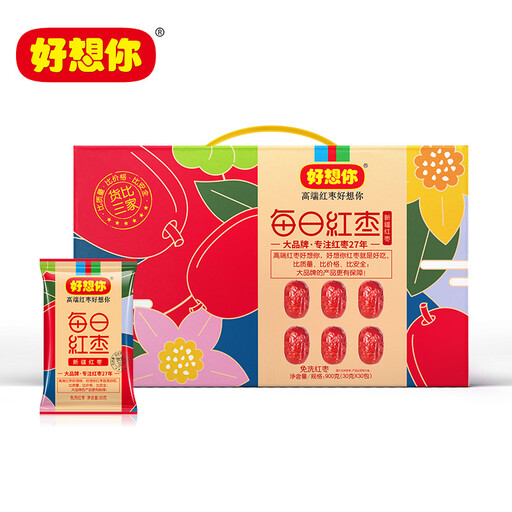 No image available
The individually packed bags are handy if you use them regularly. The dates contain stones, so bear this in mind when following recipes that call for pitted fruit.
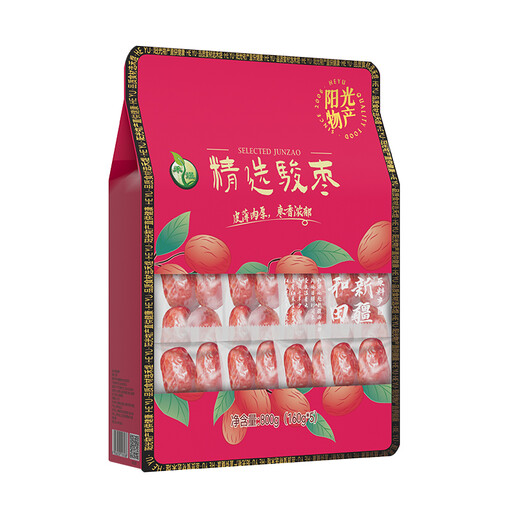 No image available
The five bags suit households that regularly use jujubes in cooked dishes. According to the product description, wash the fruit thoroughly and cook it before eating; do not eat it raw.
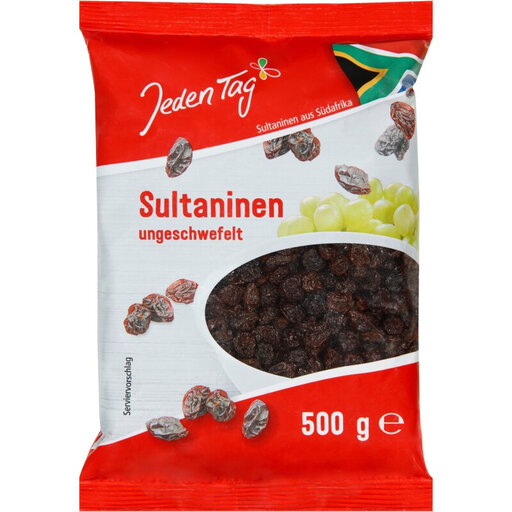 No image available
This pack is suited to regular uses such as muesli or baking. If you pay attention to specific ingredients, bear in mind that the product description lists sunflower oil. According to the description, seal the opened pack airtight and use within a few weeks.
 No image available
This variety could suit a regular need for jujubes that are ready to eat. Plan to use the 500 g pack promptly after opening, in line with the product instructions.
 No image available
This pack suits households that use prunes regularly. Bear in mind the warning that stones or fragments may be present; if you’re checking ingredients, the potassium sorbate listed in the product description may also be relevant.
If you use the same fruit regularly and can finish it after opening. Compare the pack size with how much you usually use, and follow the storage instructions.
No. ‘No added sugar’ doesn’t mean ‘low in sugar’. The Verbraucherzentrale recommends checking the sugar content in the nutritional information; removing water concentrates the sugar in dried fruit per 100 g.
Check the ingredients list and the highlighted allergen information. The German Food Federation explains how sulphur dioxide and sulphites are labelled; sulphur dioxide is specifically listed in the EDEKA mixed dried fruit described here.
Follow the instructions on the specific pack and seal the fruit well after opening. EDEKA recommends storing dried apple rings in a resealable container in a cool, dry place away from light.