For a nursery lunchbox, dried fruit works best as a small, carefully portioned addition rather than an unrestricted replacement for fresh fruit. Choose a fruit shape that suits your child, check the ingredients and allergen information, and look for packaging that lets you add the right amount neatly.
Who needs to take particular care when choosing?
Parents who check ingredients carefully
If you want to avoid added sugar, sulphur dioxide or other ingredients, choose a specific product by checking its ingredients list, nutritional information and allergen labelling. A claim about an entire product range is no substitute for checking the packaging.
Families who pack lunchboxes regularly
If you pack a snack for nursery several days a week, it’s not just the type of fruit that matters: practicality counts too. Can you prepare a small portion and store the rest appropriately once opened?
Parents of younger children
For children who cannot yet safely eat certain shapes, texture and the eating situation matter more than convenient packaging. Germany’s Federal Centre for Health Education specifically identifies raisins as a choking risk for infants; for a nursery-age child, the shape of the fruit should suit their stage of development.
What should you look for when buying?
First, check that your child can eat the fruit shape safely. Then compare the ingredients and packaging for the amount you actually want to put in the lunchbox.
| Consideration |
What to check |
Who it matters to |
| Fruit shape and eating situation |
Check that the size and texture of the pieces suit your child’s ability to chew; check for nuts and seeds in mixes too. |
If my child cannot yet safely chew certain pieces, choosing the right form comes first for me. Around 31% of consumers put this concern first. |
| Ingredients and labelling |
Read the ingredients list, sugar content per 100 g and allergen information on the specific pack, especially for sweetened or sulphured varieties. |
I want to know whether the fruit contains sugar or sulphur dioxide before packing it. For around 25% of consumers, clear ingredient labelling is the main concern. |
| Portion and transport |
Check whether it’s a single portion or a multi-portion bag, and whether it can be resealed. Use a container with a secure lid for portions you measure out yourself. |
When I prepare snacks for several nursery days, I want to pack just the intended amount each time, without making a mess. Around 25% of consumers prioritise portioning and transport. |
| Choice when shopping |
Compare the type of fruit and pack size available in store, and have an alternative in mind if you have specific ingredient requirements. |
When doing the weekly shop, I want to choose a suitable fruit and pack without spending ages looking. For about 19% of consumers, having an easy choice is the priority. |
Common shopping mistakes
-
Assuming ‘no added sugar’ means ‘low in sugar’
Dried fruit contains naturally occurring sugars, even without added sugar. Removing the water changes how much sugar there is per 100 g.
Compare the ingredients list and sugar content per 100 g. Decide on the lunchbox portion before packing, rather than putting in the whole bag.
-
Reading only the front of the pack
Fruit mixes can also contain sulphur dioxide or sulphites. These are labelled as an allergen in EDEKA Herzstücke mixed dried fruit.
Check the ingredients and allergen information on the specific pack. If you need an unsulphured variety, check the labelling even on products described as such.
-
Treating a multi-portion bag as a child-sized portion
A resealable bag makes it easier to store what’s left, but it doesn’t tell you how much to put in the lunchbox.
Measure out the amount you want in advance into a small container with a secure lid, or check whether the pack is genuinely divided into individual portions.
-
Assuming a mix is just like a familiar single-fruit snack
Other fruit shapes and possible nuts or seeds can affect whether a mix is suitable for your child. Germany’s Federal Centre for Health Education identifies small, hard foods and raisins as choking risks for infants.
Check all the ingredients and shapes of the pieces. If you’re unsure whether the texture is suitable for your child, choose a familiar fruit in a form that’s been prepared appropriately.
Brands and retailers to consider
Seeberger
Seeberger offers a range of dried fruit and fruit mixes. For a lunchbox, choosing the specific product matters more than the brand name.
- The range includes clearly distinguishable options such as unsulphured apricots, as well as sweetened or candied products.
- Information about individual products does not apply to the whole range; make sure the ingredients and nutritional information match the pack you choose.
REWE
REWE stocks dried fruit from different brands and in various pack sizes, giving you options to compare when doing your food shop.
- Browsing the range makes it easier to look for specific types of fruit and pack sizes.
- Availability of specific packs in store depends on the location; check the ingredients of each product individually.
EDEKA Herzstücke
You can check the ingredients and allergen labelling for this specific EDEKA Herzstücke mixed dried fruit product.
- The mixed dried fruit comes in a resealable 250-g bag.
- This product contains sulphur dioxide or sulphites and, according to EDEKA, may not be available in every store.
Alesto
Lidl’s Alesto brand includes dried fruit, as well as nuts and other snacks.
- For example, Lidl describes its mango strips as having no added sugar and notes that they contain naturally occurring sugar.
- Check the specific pack for a nursery lunchbox, especially if you don’t want to include nuts or seeds.
Dried fruit at Joybuy
This selection includes dried mango, apple rings, white peach and cranberries as possible snacks for a nursery lunchbox. The packs differ in fruit shape and ingredients, so you’ll need to assess the portion size and suitability for your child separately for each one.
 No image available
Seeberger soft dried mango strips, 100 g
These strips could work in a lunchbox with dried mango, provided your child can eat their texture safely. The ingredients list includes sodium metabisulphite; sulphur dioxide or sulphites are listed as an allergen. Also check how easy it is to portion out the amount you need.
View at Joybuy
 No image available
Seeberger dried apple rings, 80 g
These apple rings are an option if their shape suits your child’s ability to chew. The ingredients list includes sodium metabisulphite; sulphur dioxide or sulphites are listed as a possible allergen. For the lunchbox, check what amount is suitable and how to store the pack once opened.
View at Joybuy
 No image available
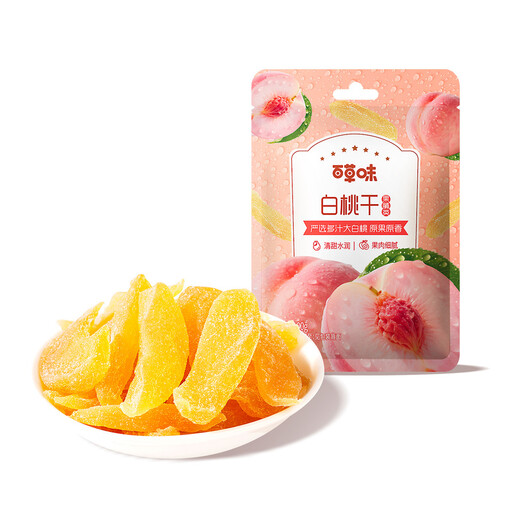
Be&Cheery dried white peach, 100 g
If you’re considering dried peach for the lunchbox, pay particular attention to the ingredients: as well as white peach, the list includes sugar, citric acid and potassium sorbate. Check that the pieces are suitable for your child and measure out the amount before packing.
View at Joybuy
 No image available
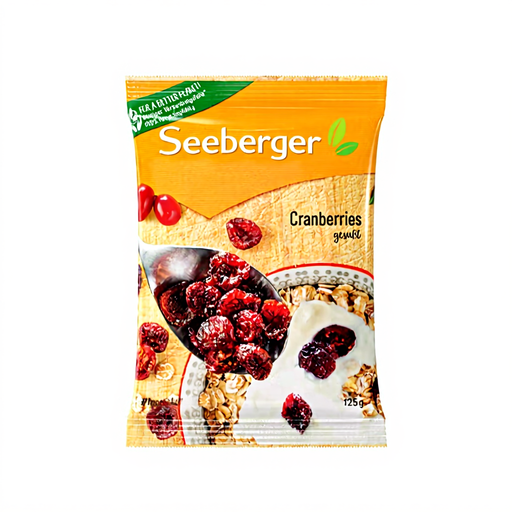
Seeberger sweetened dried cranberries, 125 g
These dried cranberries could work as a packed snack if the pieces are suitable for your child. The ingredients include added sugar and sunflower oil. Decide on the portion in advance and check whether the rest of the bag can be stored appropriately once opened.
View at Joybuy
Frequently asked questions
Can dried fruit replace fresh fruit in a nursery lunchbox?
Not automatically. Fresh and dried fruit differ in several ways, including their water content and sugar per 100 g. Dried fruit can be a convenient addition, but decide on an appropriate portion rather than using the same amount as you would of fresh fruit.
How can I tell if dried fruit has been sulphured?
Check the ingredients list and allergen information on the specific pack. Sulphur dioxide and sulphites are listed as allergens in EDEKA Herzstücke dried mixed fruit; Seeberger describes varieties without added sulphur dioxide as unsulphured.
What does ‘no added sugar’ mean for dried fruit?
It doesn’t mean ‘sugar-free’. Lidl specifically notes that its Alesto mango strips described as having no added sugar contain naturally occurring sugar. Also compare the nutritional information per 100 g on the specific pack.
Should children eat dried fruit throughout the day?
It’s better to plan it as a defined snack portion rather than something to graze on throughout the day. The Verbraucherzentrale advises against spreading sweet foods across the whole day; take dental care advice and nursery routines into account when planning.


