Families with a clear allergy plan
If a child needs to avoid certain allergens, sulphites or fruits, the labelling on the specific pack matters. Check the ingredients and any ‘may contain’ warning against the child’s individual nursery allergy plan.


Dried fruit with a clear, easy-to-check ingredients list may be suitable for a nursery lunchbox, provided the specific pack meets the child’s individual allergy plan and the nursery’s rules. ‘Unsulphured’ only addresses part of the allergen question; you also need to consider other ingredients, possible ‘may contain’ warnings and portion size.
If a child needs to avoid certain allergens, sulphites or fruits, the labelling on the specific pack matters. Check the ingredients and any ‘may contain’ warning against the child’s individual nursery allergy plan.
A single fruit or a mix of a few named fruits is easier to check against your requirements than a filled or composite snack. REWE’s product information includes both pure fruit mixes and products with additional ingredients.
Dried fruit should be just a small addition to the lunchbox. The Federal Centre for Nutrition notes that fruit sugar becomes concentrated during drying, so nutrition information and nursery rules also matter when choosing.
If certain ingredients must be strictly avoided, the first priority is whether the product is suitable for the individual child. Then you can check the recipe, sugar content, portion size and how easy it is to pack in a lunchbox.
| Criterion | What to check when buying | Who it matters most to |
|---|---|---|
| Allergens and sulphites | Check the ingredients, highlighted allergens and any ‘may contain’ warnings against the individual allergy plan. Don’t assume ‘unsulphured’ means free from other allergens. | If my child needs to avoid certain substances, I need a pack whose information matches the agreed plan. Around 36% of consumers put this check first. |
| Clear ingredients | For mixes, check every fruit and any other ingredients; the product category alone isn’t enough. | I want to know what’s in the snack without having to guess, rather than relying on the front of the pack. For around 29% of consumers, a clear recipe comes first. |
| Sugar and portion size | Check the ingredients list for added ingredients and the nutrition information for sugar per 100 g; pack a suitable small portion. | Dried fruit should remain a limited addition to the lunchbox, even when no sweetener has been added. Around 21% of consumers give most weight to sweetness and portion size. |
| Shape and storage | Check nursery rules, piece size and storage instructions for after opening. | I need a snack my child can manage and that’s allowed at nursery. Practicality is the main concern for around 14% of consumers. |
The term relates to sulphur dioxide and sulphites, not to all other ingredients or whether a particular fruit is suitable for an individual.
Check the full ingredients list and any ‘may contain’ warning against the child’s allergy plan.
The same category can include plain fruit and composite snacks. For example, REWE lists sulphur dioxide and cream cheese as ingredients in one product.
Make your decision based on the information on the specific pack, not a product photo or brand name.
The Federal Centre for Nutrition explains that fruit sugar becomes concentrated during drying. A product with no added sweetener is therefore not automatically low in sugar.
Compare the sugar content per 100 g and think carefully about how much to pack in the lunchbox.
A recipe that’s suitable for the child doesn’t tell you which snacks the nursery accepts or how to store the product after opening.
Check the nursery’s requirements before buying and follow the storage instructions on the pack.
Seeberger sells a range of dried fruit, including unsulphured apricots and sweetened varieties.
REWE sells both plain fruit products and composite dried-fruit snacks.
EDEKA24’s online category includes nuts and dried fruit, such as apricots, currants and dates.
Lidl groups Alesto products under nuts, dried fruit and snacks.
This selection includes dried red dates (jujubes) and goji berries for a lunchbox. Before giving any of these products to a child, check the information on the specific pack against the allergy plan and nursery rules.
 No image available
If you’re looking for pitted pieces for the lunchbox, this 280-g pack is one option. Before packing, check the ingredients, any ‘may contain’ warnings and whether the pieces are a suitable size on the current pack.
 No image available
This 500-g pack is an option if you’d like to portion jujubes out for the lunchbox. Check the ingredients, any ‘may contain’ warnings and whether the pieces are suitable for the child on the specific pack.
 No image available
You can portion the dried red dates from this 500-g pack yourself for the lunchbox. Check the ingredients and allergen information, as well as the piece size on the specific pack.
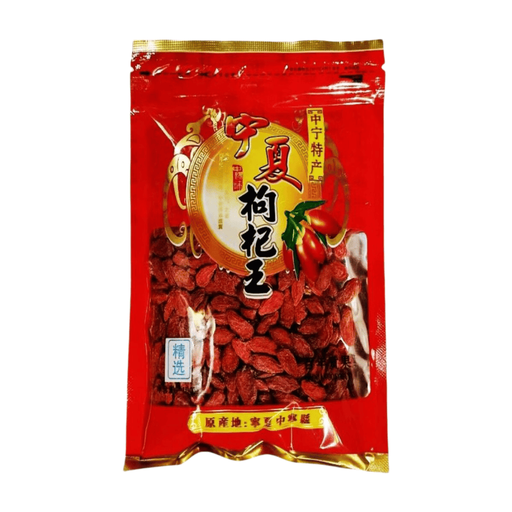 No image available
If you’re considering goji berries for the lunchbox, you can take out a small amount from this 100-g pack. Make your decision based on the current ingredients, allergen and ‘may contain’ information, and nutrition details.
No. ‘Unsulphured’ relates to sulphur dioxide and sulphites, but says nothing about other allergens or whether the fruit is suitable for an individual. Check the full ingredients list and any ‘may contain’ warning against the child’s allergy plan.
Not necessarily. The German Federation for Food Law and Food Science describes ‘may contain’ warnings as voluntary statements about possible accidental presence. They don’t confirm that cross-contamination has occurred, but they don’t rule it out either. The child’s individual allergy plan is what matters.
No. The Federal Centre for Nutrition notes that fruit sugar becomes concentrated during drying. Treat dried fruit as a limited addition to the lunchbox and follow the nursery’s food policy.