Active people with a protein target
You want to put together a quick lunch for a working day and include dried fruit as a fruit side, without mistaking it for your main source of protein.


Dried fruit makes a handy fruit side for a quick office lunch, but it shouldn’t be your only source of protein. ALDI SÜD lists 3 g of protein per 100 g for its dried figs and 2.8 g for its apricots. If protein is a priority for your lunch, choose a separate protein source and check the nutritional information, ingredients and allergen advice on the specific pack of dried fruit.
You want to put together a quick lunch for a working day and include dried fruit as a fruit side, without mistaking it for your main source of protein.
You’re looking for a fruity addition to keep at your desk or in your bag, and want to compare pack sizes, ingredients and sugar content before buying.
When choosing dried fruit and mixes, you check the ingredients list as well as advice about sulphur dioxide, sulphites and possible cross-contamination.
First decide whether dried fruit is going to be the fruit side or the main source of protein in your office lunch. Then compare the nutritional information and ingredients on the pack. ALDI SÜD’s information may vary depending on the supplier.
| Priority | What to check | Who it matters to |
|---|---|---|
| Planning your protein intake | Check the protein per 100 g and for the portion you plan to eat; also consider the separate protein source in your lunch. | If I’m planning my lunch around a protein target, I want to include dried fruit as an extra, not my main source of protein. This is the top priority for around 31% of consumers. |
| A quick fruit side | Choose between classic dried fruit and freeze-dried options, taking pack size and your planned portion into account. | At my desk, I need a fruity addition I can eat without preparing it; I’ll get my protein elsewhere. Around 31% of consumers put this need first. |
| Ingredients and dietary requirements | Check the sugar per 100 g, ingredients list, allergen advice and ‘may contain’ warnings for the specific product. | If I need to keep an eye on sugar or avoid certain ingredients, I don’t want to rely on the product name alone. This check takes priority for around 23% of consumers. |
| Pack size and range | Choose a suitable pack size and, when suppliers change, check the information on the current pack. | For my working day, I want to be able to choose a suitable pack easily. Around 15% of consumers prioritise this practical consideration. |
The protein content needs to be considered in relation to the amount you’ll actually eat. ALDI SÜD lists 3 g of protein per 100 g for its dried figs, so a single figure in grams isn’t a substitute for planning your whole lunch.
If protein is your main priority, choose a separate protein source and have dried fruit as a fruit side.
The ‘no added sugar’ claim doesn’t tell you the total amount of sugar. ALDI SÜD lists 55 g of sugar per 100 g for its dried figs and 54.5 g per 100 g for its apricots.
Check the nutritional information per 100 g and think about how much you plan to eat.
According to the Federal Office of Consumer Protection and Food Safety, sulphur dioxide and sulphites are allergens that must be declared. Advice about possible cross-contamination may also be relevant when choosing a specific pack.
Check the ingredients list and allergen advice for each product, especially mixed products.
Seeberger offers dried apricots and figs, among other products, which can be enjoyed as a fruit snack or used as an ingredient.
ALDI SÜD’s own brand includes dried fruit such as figs, dates and apricots.
Lidl’s Alesto range includes both nuts and dried fruit, so you can compare the two separately when putting together a fruit-and-nut combination.
EDEKA24’s range includes dates from its own brand, among other products.
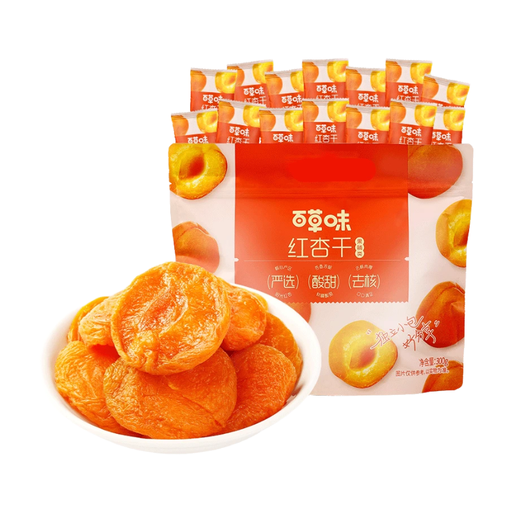
These dried apricots could make a suitable fruit side for a lunch where you choose your protein source separately.
 No image available
A fruit side for a quick office lunch when you choose your protein source separately.
For the products mentioned, ALDI SÜD lists 3 g of protein per 100 g for figs and 2.8 g per 100 g for apricots. When planning your lunch, also consider the portion you’ll eat and check the information on the pack, as ALDI SÜD may use different suppliers.
No. ‘No added sugar’ isn’t the same as having a low total sugar content. The consumer advice centre points out that dried fruit can contribute to the sugar content of foods; ALDI SÜD lists 55 g of sugar per 100 g for its dried figs.
Read the ingredients list and allergen advice on the specific pack. The Federal Office of Consumer Protection and Food Safety lists sulphur dioxide and sulphites among the allergens that must be declared. Product-specific ‘may contain’ warnings may also be important.
Follow the storage instructions on the relevant pack. A fig product sold by EDEKA24 is labelled ‘store in a dry place and protect from heat’; don’t assume the same advice applies to other products without checking.