Anyone who regularly tops up the office snack tin
If several people help themselves, it’s important to choose a suitable quantity and store the remainder separately once the pack is open.


A 500 g pack of a single type of dried fruit is a good fit for an office snack tin that’s topped up regularly, provided the team enjoys that fruit and the rest is stored in a tightly sealed container. If tastes vary, a fruit mix or a selection of separate varieties may be more practical. What matters most is checking the ingredients and allergen information on the specific pack, and storing it somewhere dry and away from light.
If several people help themselves, it’s important to choose a suitable quantity and store the remainder separately once the pack is open.
For a shared snack tin, the ingredients list and allergen information on the specific pack should be easy to check – especially if someone needs to avoid sulphur dioxide or sulphites.
If you’re shopping for several people, you’ll need to choose between a ready-made fruit mix and separate varieties. Keeping them separate makes it clear what’s in the tin.
First, decide whether you want one variety that’s eaten regularly or a selection of fruits for the team. Then check the specific pack and plan how to store it once opened.
| Criterion | What to check before buying | Who it matters most to |
|---|---|---|
| Pack size | Is the quantity right for how often it’s eaten? Can you seal and store the remainder once the pack is open? | Anyone who regularly tops up the tin will want to avoid opening more than the team can use. Around 33% of consumers would put choosing the right pack size first. |
| Ingredients and allergens | Read the ingredients list and allergen information for the specific pack; for mixes, check every listed ingredient. | If someone at the office needs to avoid sulphur dioxide or sulphites, the precise labelling matters more than the fruit pictured on the front. Around 27% of consumers would put checking the ingredients first. |
| Variety for the team | Check that the fruits in a mix suit the team’s tastes, or provide separate varieties. | When tastes differ, one variety shouldn’t have to suit everyone. Around 20% of consumers would therefore look for variety first. |
| Storage | Check that both the main pack and the tin can be sealed properly, and stored somewhere dry and away from light. | Anyone who tops up the tin a little at a time will need a suitable place to keep the opened pack. For around 20% of consumers, this would also be their main consideration when buying. |
You can’t judge a mix by the fruit pictured on the pack. EDEKA’s Herzstücke mixed fruit contains potassium sorbate; sulphur dioxide and sulphites are listed in the ingredients and allergen information.
Check the label on the specific pack every time before adding a mix to a shared snack tin.
A larger pack is only practical for gradual use if the remainder is protected from moisture and light. EDEKA recommends storing dried mango in a cool, dry place in a sealable, opaque container.
Top up the well-sealed office tin with smaller amounts and keep the rest sealed separately.
If the pack is left open, its quality may deteriorate before it’s all been used.
Seeberger sells several single-variety dried fruits, including dates and prunes in 500 g packs.
A 500 g pack of prunes is a documented single-variety option for topping up your supply.
The documented Herzstücke mixed fruit is a 250 g pack containing several types of fruit.
The dried fruit range includes a choice of different fruits and own-label products.
Lidl’s Alesto range includes nuts and dried fruit.
The selection mainly includes 500 g packs of single varieties for topping up. The gift set, on the other hand, is for teams who want to offer a range of individually wrapped snacks; it isn’t a dedicated dried fruit selection.
 No image available
A single variety for an office snack tin that’s topped up regularly. Have a tightly sealed container ready for the opened pack, and check the ingredients on the label.
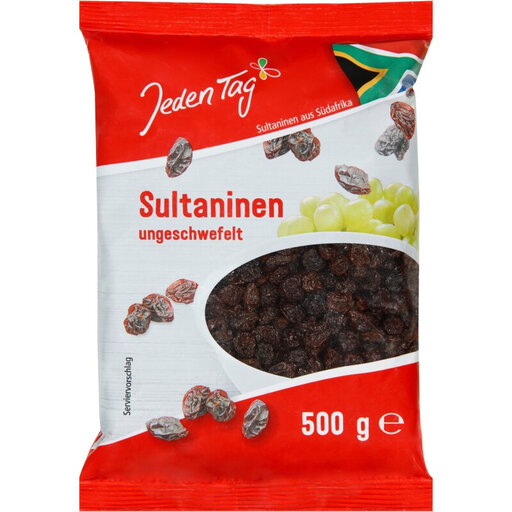 No image available
Another 500 g single variety for topping up a little at a time. If you want to avoid ingredients other than sultanas, check the ingredients list and seal the pack after opening.
 No image available
This single variety is worth considering if your team would prefer jujubes to the usual dates or prunes. Check the advice to consume immediately after opening before planning to use the 500 g pack as a supply that will be open for a while.
 No image available
A 500 g single variety for a team that regularly eats prunes. Check the ingredients list if you want to avoid preservatives. Despite the ‘pitted’ label, take care when eating in case any stones remain.
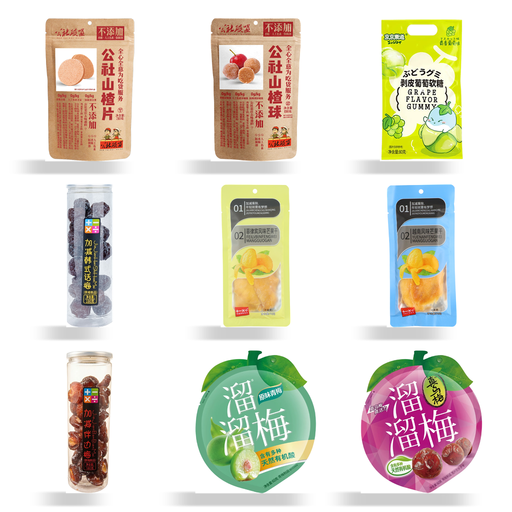 No image available
For teams who want to offer a selection of individual snacks rather than topping up a tin with a single variety. The set also includes fruit gums, so it isn’t a dedicated dried fruit selection. Check the ingredients and allergen information for each item, especially for sulphur dioxide and sulphites.
A 500 g pack is a good fit if the variety is eaten regularly and you only top up the tin as needed. Keep the remainder tightly sealed, dry and away from light rather than leaving the whole pack open all the time.
Read the ingredients list and allergen information on the specific pack. Sulphur dioxide and sulphites are listed there for the Herzstücke mixed fruit described by EDEKA; the fruit pictured on the pack won’t tell you whether they’re present.
No. No added sugar doesn’t mean that dried fruit contains no sugar. If this distinction matters to you, check both the ingredients list and the nutritional information per 100 g on the specific pack.
Keep the opened pack tightly sealed, dry and away from light, and only put a smaller amount in the office tin. EDEKA recommends these storage conditions for dried mango; also follow the instructions on the specific pack you buy.