Choose dried fruit for Oktoberfest by checking the energy value on the specific pack and how much you plan to eat – not just the type of fruit or drying method. The German Federal Centre for Nutrition describes dried fruit as high in energy. According to the Verbraucherzentrale, sugar and calories are also concentrated per 100 g in freeze-dried fruit. If you want to avoid added sweeteners or need to watch your sulphite intake, check the ingredients list and allergen information too.
Who should compare these products?
Oktoberfest visitors keeping an eye on portions
If you’d like to take dried fruit along for a sociable snack, checking the energy value per 100 g and deciding on a portion in advance can help you choose. The German Federal Centre for Nutrition says dried fruit is high in energy.
Shoppers who check the ingredients
If you want to avoid sweetened or candied varieties, read the ingredients list on the specific pack. Seeberger sells these alongside unsweetened dried fruit, while the Verbraucherzentrale also highlights the different names used for sweetening ingredients.
Shoppers who need to watch their sulphite intake
For every variety, check the ingredients and allergen information for sulphur dioxide or sulphites. You can’t tell whether dried fruit has been treated with sulphites just from the type of fruit or the brand.
What should you look for when buying?
Start by comparing the energy value and the portion you plan to eat. Then check the ingredients, allergen information and ease of use to find the dried fruit that suits your snack.
| What to check |
How to check it |
Who should pay particular attention? |
| Calories and portion size |
Compare the energy value in kcal per 100 g and relate it to the amount you actually plan to eat. |
I want to be able to judge how much of a pack I’m eating when I snack. Around 36% of consumers put checking energy values and portion sizes first. |
| Added sugar and ingredients |
Check the ingredients list for sweetening ingredients and read the ‘of which sugars’ figure in the nutrition information. |
A short ingredients list matters more to me than an especially sweet variety, although I still include naturally occurring sugar in my comparison. This is a priority for around 29% of consumers. |
| Sulphur dioxide and sulphites |
Check the ingredients list and allergen information on the specific pack. |
If I need to avoid sulphites, I don’t want to guess what’s in a product from its appearance or brand name. Around 21% of consumers put this pack check first. |
| Texture and portability |
Check the texture you want, the pack size and storage instructions for after opening. |
For snacks on the go, I’m looking for a pack size and texture that work for me. Around 14% of consumers put this practical consideration first. |
Common misconceptions
-
Freeze-dried doesn’t mean lower in calories
Freeze-drying also removes water. The Verbraucherzentrale points out that this concentrates sugar and calories per 100 g.
Choose a texture you enjoy, then compare the nutrition information and your portion size when weighing up calories.
-
‘No added sugar’ doesn’t mean sugar-free
The fruit still contains its naturally occurring sugar. So, the claim about added ingredients doesn’t replace the ‘of which sugars’ figure in the nutrition information.
Check the ingredients list, sugar information and energy value together when comparing two packs.
-
You can’t tell if fruit contains sulphites from its appearance
Dried fruit may contain sulphur dioxide; EDEKA, for example, lists it in the ingredients for a dried fruit mix.
If you need to avoid sulphites, check the allergen information on each specific pack rather than relying on a product photo.
-
Online information doesn’t replace the pack
Ingredients and nutritional values can vary between products and suppliers. ALDI SÜD specifically notes that its dates may differ between suppliers.
Check the current packaging when you buy, especially the ingredients, allergens and nutrition information.
Brands and retailers to consider
Seeberger
The range includes different types of dried fruit and recipes.
- Seeberger distinguishes between unsweetened, sweetened, candied and unsulphured varieties, among others.
- A variety’s description is no substitute for checking the ingredients and nutrition information on its pack.
REWE
The range includes own-brand and branded products, as well as different types of dried fruit.
- For example, REWE’s category page features sultanas, apple crisps and freeze-dried strawberries.
- Check which varieties are available locally before you shop.
EDEKA
Product information can help you compare ingredients, nutrition and allergens for a specific product.
- EDEKA Herzstücke Fruity Fruit Mix lists its energy value, sugar and sulphur dioxide.
- EDEKA notes that the information on the packaging may differ and that not every store stocks the product.
Lidl / Alesto
Alesto offers dried fruit and other snack products for shopping in store.
- Lidl stocks Alesto mango strips, among other products.
- Information about one variety won’t necessarily apply to other Alesto products, so check each pack.
ALDI SÜD / NATURLIEBLINGE - KLEINE SCHÄTZ
The range includes dried fruit in larger packs, such as dates.
- ALDI SÜD describes one variety of dates in a 200-g pack.
- Nutrition information may vary between suppliers; always use the current pack as the basis for your comparison.
Dried fruit at Joybuy
This selection includes dates, jujubes and other dried fruit to compare before choosing your Oktoberfest snack. For each variety, check the pack information and the portion you plan to eat; a small pack doesn’t automatically mean a small portion.
 No image available
Seeberger Deglet Nour Datteln, entsteint, 500 g
If you’re looking for pitted dates to snack on, compare their energy value with other dried fruit using the same reference amount.
With a 500-g pack, decide in advance how much you’d like to eat.
View at Joybuy
 No image available
Haoxiangni Grade A No-Wash Jujubes, 500 g
To compare jujubes with other dried fruit, check the energy value and sugar per 100 g on each pack.
With a 500-g pack, it’s worth setting aside the amount you want to snack on beforehand.
View at Joybuy
 No image available
Haoxiangni Grade 2 Fresh-Locked Pitted Red Dates Original Flavour, 280 g
If you prefer pitted red dates or jujubes, compare the nutrition information for this variety with that of other packs.
The 280-g pack doesn’t determine how much you choose to eat as a snack.
View at Joybuy
 No image available
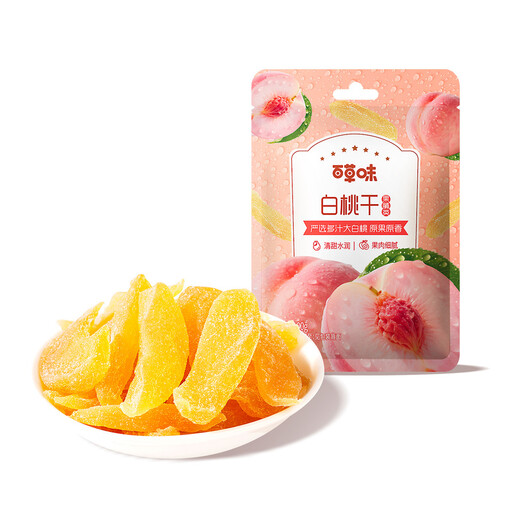
Be&Cheery getrockneter weißer Pfirsich, 100 g
If you’re considering dried peach as a snack, check the ingredients list for added sweeteners before choosing.
Relate the energy value to the amount you plan to eat from the 100-g pack.
View at Joybuy
 No image available
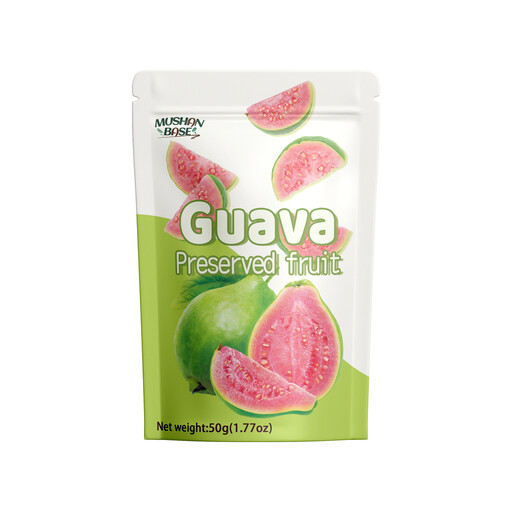
MUSHAN BASE Red Heart Guava Dried Fruit
If you’re choosing dried guava, compare its ingredients and nutrition information with those of other dried fruit.
If you need to avoid sulphites, pay particular attention to the allergen information on the specific pack.
View at Joybuy
Frequently asked questions
Are dried fruits automatically low in calories because they’re made from fruit?
No. The German Federal Centre for Nutrition says dried fruit is high in energy because water has been removed. Compare the energy value per 100 g on the specific pack and take into account how much you plan to eat.
Does ‘no added sugar’ mean the same as sugar-free?
No. The fruit still contains naturally occurring sugar, which is included in the ‘of which sugars’ figure in the nutrition information. So, read the ingredients list and nutrition information together.
How can I tell if dried fruit has been treated with sulphites?
Check the ingredients list and allergen information on the specific pack for sulphur dioxide or sulphites. EDEKA, for example, lists these in the information for a dried fruit mix; Seeberger explicitly distinguishes unsulphured varieties.
How should I store opened dried fruit?
Keep it tightly sealed in a cool, dry place and follow the instructions on the pack. EDEKA recommends storing dried apple rings somewhere cool and dry.


