For anyone who likes to snack on the go
If you want something to eat in the afternoon without any preparation, the main thing to consider is whether you can take the pack with you as it is or need to portion it out first.


For an afternoon snack on the go, a small, ready-to-eat pack is handy if you don’t want to portion anything out. If you’ll be eating it over several days, you can portion out a larger bag yourself. In that case, check the ingredients and allergen information, as well as the quantity and texture you’re looking for, before you buy.
If you want something to eat in the afternoon without any preparation, the main thing to consider is whether you can take the pack with you as it is or need to portion it out first.
If you want to avoid added sugar or certain ingredients, check the ingredients list and allergen information on the specific pack rather than relying on the front of the packaging.
If you’ll be using the bag for several afternoon snacks, you’ll need a way to portion it out and should follow the storage instructions after opening.
First, decide whether you want to take a pack with you as it is or portion it out over several occasions. Then you can compare the ingredients and texture to find what suits you.
| What you need | What to check | Who it matters to |
|---|---|---|
| A portion to take on the go | Check the quantity and pack format: can you take the contents with you as they are, or will you need to portion them out first? | If you’re popping a snack in your bag, you’ll want to be able to enjoy it without decanting it first. This ready-to-go portion is a priority for around 31% of consumers. |
| Ingredients and allergens | Read the ingredients list, nutritional information and any highlighted allergens on the specific pack. | If I want to avoid added sugar or sulphites, I need to check the ingredients in the particular product before buying. This is a priority for around 31% of consumers. |
| Texture | Check whether the fruit is freeze-dried or traditionally dried. | I’d choose something different for a crunchy snack than for a softer bite. The texture they want is the deciding factor for around 19% of consumers. |
| Stocking up and storage | Compare the quantity, closure and storage instructions for after opening. | If you’ll be using the bag over several afternoons, you’ll want to store what’s left appropriately and take out a portion each time. This need comes first for around 19% of consumers. |
Dried fruit with no added sugar still contains naturally occurring sugars. The German Nutrition Society also points out that a portion of dried fruit is smaller than a portion of fresh fruit.
Compare the ingredients list with the nutritional information, then decide how much you’d like to have as a snack.
A mix may contain other ingredients. For example, EDEKA’s mixed dried fruit lists sunflower oil, potassium sorbate and sulphur dioxide; sulphites are highlighted as an allergen.
Check the ingredients and highlighted allergens on the pack of the variety you’re actually buying.
A 200 or 250 g pack isn’t necessarily intended to be eaten all at once during an afternoon break. Once opened, it’s also important to store what’s left properly.
If you need a portion for on the go, transfer it to an airtight container and store the rest according to the pack instructions.
A dried fruit variety described online may not be available in the same pack in every store. EDEKA notes that its mixed dried fruit may vary between stores.
Check availability before you shop, and read the information on the pack in store if you have any specific requirements.
Seeberger offers a range of dried fruit, including traditionally dried, unsulphured and freeze-dried varieties.
REWE describes its freeze-dried strawberries and fruit mix in 25 g packs as crunchy snacks.
The mixed dried fruit described comes in a resealable 250 g bag, designed for several servings.
Alesto is Lidl’s brand for nuts, dried fruit and snack mixes. Lidl also lists mango strips in its range.
ALDI Nord sells dried fruit under the TRADER JOE’S brand, including a 200 g pack of pitted dried apricots.
These dried fruit products could work as ready-to-eat afternoon snacks. However, the quantities shown don’t automatically make them single portions. If you only want to take some with you, plan to portion it out in advance.
 No image available
For anyone who’d prefer soft mango strips to crunchy pieces of fruit for an afternoon snack.
Pack size: 100 g. The product information describes the mango strips as having no added sugar, but also lists sodium metabisulphite and highlights sulphites as an allergen. Check the labelling on the specific pack, especially if you need to avoid sulphites.
 No image available
These dried apple rings are a handy option if you want to take a ready-to-eat fruit snack with you.
Pack size: 80 g. The product description doesn’t list added sugar, but does mention sulphur dioxide and identifies sulphites as a possible allergen. Use the pack size to decide whether it’s a portion for you.
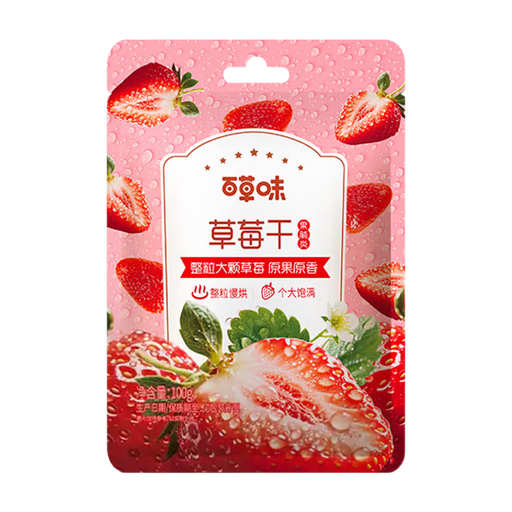 No image available
These dried strawberries could make an easy snack, provided you check the ingredients before taking them with you.
Pack size: 100 g. The product information lists sugar, maltose syrup, E223 (a sulphite) and E120, with a warning about children. Read the information on the specific pack if these ingredients are important to your choice.
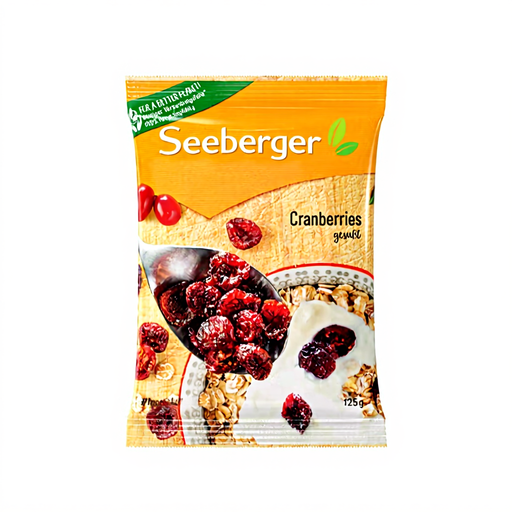 No image available
These cranberries make a ready-to-eat snack if you’re happy to choose a sweetened variety.
Pack size: 125 g. According to the product description, the ingredients include sugar and sunflower oil. Before taking the bag with you, decide whether you want to split it into several snack portions.
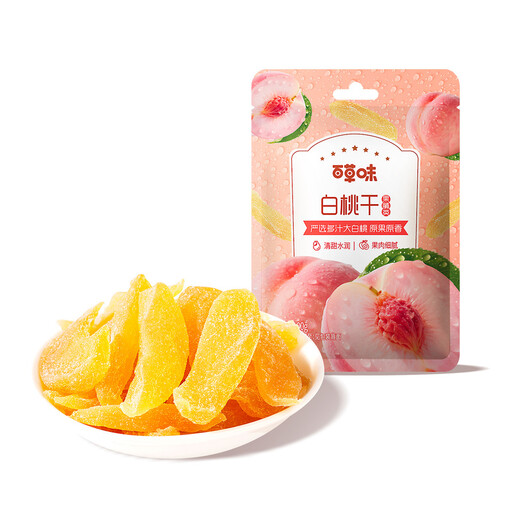 No image available
This dried white peach could be just the thing if you’re looking for a soft, ready-to-eat afternoon snack.
Pack size: 100 g. The product information lists sugar and potassium sorbate. Check the ingredients before buying, and portion out a smaller amount to take with you if needed.
According to the German Nutrition Society, dried fruit can replace one portion of fruit a day, but the portion is smaller than one of fresh fruit. So you can’t replace a large bowl of fresh fruit with the same quantity of dried fruit.
Read the ingredients list and highlighted allergen information on the specific pack. ‘No added sugar’ doesn’t mean sugar-free. For example, EDEKA’s mixed dried fruit lists sulphur dioxide and highlights sulphites as an allergen.
Seal the dried fruit securely and follow the storage instructions on the pack. For its dried mango, EDEKA recommends storing it in a cool, dry place and advises against refrigeration because of the risk of moisture.
If you’re shopping at Lidl for dried fruit, Alesto is the brand to look for. Lidl lists Solevita in its drinks range.