What should you look for when buying?
First decide whether protein, a carbohydrate-containing snack or a versatile store-cupboard staple is your main priority. Then choose the product type and pack size. With a ready-made mix, the nutritional information for the whole mix is what matters.
| What to look for |
What to check |
Who it matters to |
| Protein as the priority |
Compare protein, fat and energy per 100 g; for seeds, check the allergen information too. |
If I’m looking for a protein-focused ingredient for several family members, I don’t want to choose a mix just because it contains some fruit. For around 38% of consumers, protein is the top priority. |
| Snacks around exercise |
For dried fruit, check the sugar and ingredients per 100 g, and consider the portion you plan to eat. |
After longer or more intense exercise, I’m more interested in a carbohydrate-containing snack than a protein claim on dried fruit. Around 31% of consumers put this need first. |
| A versatile family cupboard |
Choose a pack size to suit how much you plan to use; check the ingredients and allergens for each component separately. |
If I need snacks and ingredients for different people and dishes, I want to be able to portion fruit and seeds differently. Around 31% of consumers prioritise this kind of versatile cupboard. |
Brands and supermarket ranges to consider
These examples help show how dried fruit, seeds and mixes are different types of product. The information for the specific item you choose is what matters.
Seeberger
According to its own range information, Seeberger sells dried fruit, nuts and seeds, as well as nut and fruit mixes.
- Choosing from the separate product types lets you decide how much fruit or seeds you want.
- The product category doesn’t tell you how much protein a particular dried fruit contains; check the nutritional information for the specific variety.
EDEKA Bio / NATURKIND
A specific EDEKA pumpkin seed product provides a useful reference point for a separate seed component.
- For the product in question, EDEKA lists 34.8 g of protein and 46.3 g of fat per 100 g.
- The product may contain traces of allergens. Check the labelling on the pack you’re actually buying.
GUT BIO / ALDI SÜD
The pumpkin seeds in this range are another example of seeds you can buy separately to keep in your cupboard.
- For the product in question, ALDI SÜD lists 37 g of protein and 46 g of fat per 100 g.
- Check availability at your chosen shop and read the information on the current pack.
Alesto / Lidl
Lidl describes Alesto as a range that includes nuts, dried fruit and other snacks.
- You can choose fruit and nuts as separate product types.
- For seasoned varieties in particular, check the ingredients, salt and nutritional information for each product. The range description doesn’t give nutritional information for every item.
REWE
REWE stocks dried fruit and seeds as distinct product categories.
- For a family cupboard, you can consider product types and pack sizes separately.
- Compare the nutritional information and ingredients for the specific products rather than assuming everything in a category has the same composition.
Products for the family cupboard at Joybuy
This selection includes pumpkin seeds as a separate ingredient, a nut and raisin mix, and a nut snack. For protein, the nutritional information on each pack is what matters. The nut products aren’t a substitute for dried fruit if you specifically want a fruit component.
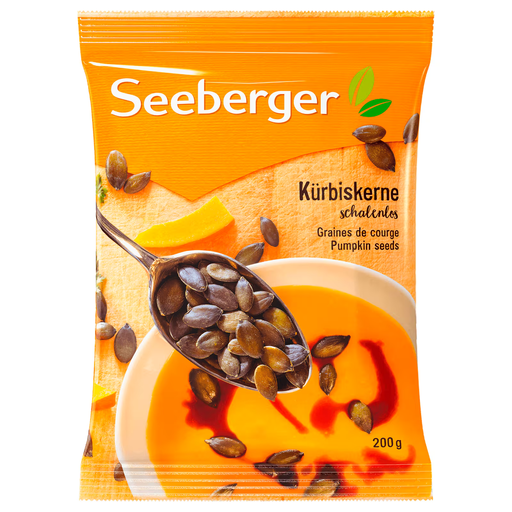 Image unavailable
Seeberger shelled Styrian pumpkin seeds, 200 g
As a separate seed component, these can be portioned out as part of your family’s store-cupboard supplies. The pack contains 200 g of shelled Styrian pumpkin seeds; whether that’s enough depends on how much you plan to use.
View at Joybuy
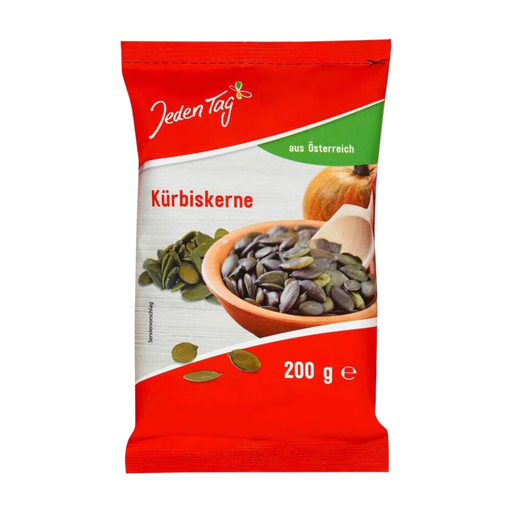 Image unavailable
Jeden Tag shelled pumpkin seeds, 200 g
These shelled seeds are a separately portionable ingredient to keep alongside dried fruit. The pack contains 200 g. When using them, watch out for possible pieces of shell, and read the pack labelling before buying.
View at Joybuy
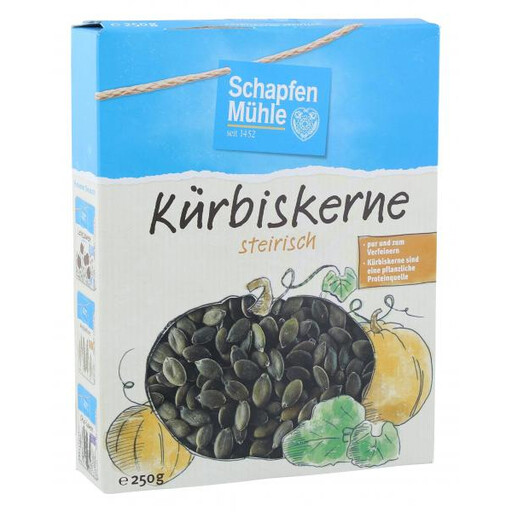 Image unavailable
SchapfenMühle Styrian pumpkin seeds, 250 g
These seeds are a handy separate addition to your store cupboard if you’d rather not buy fruit and seeds ready-mixed. This variety contains 250 g. Check the labelling for possible allergen traces and advice on use by young children.
View at Joybuy
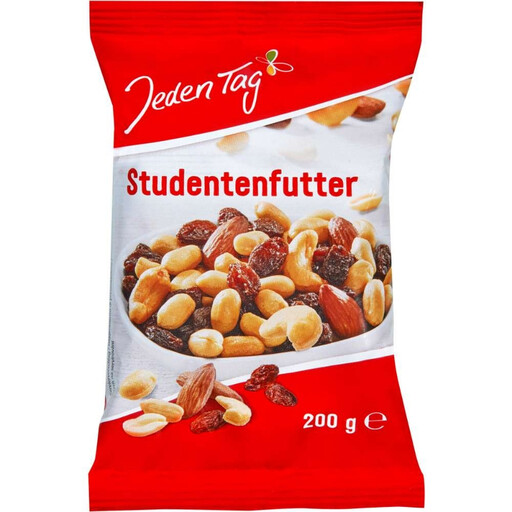 Image unavailable
Jeden Tag trail mix with nuts and raisins, 200 g
This ready-made mix is a good choice if you want to portion out fruit and nuts together. It contains nuts and raisins in a 200 g pack. If you have allergies, check the labelling, and compare the protein content of the whole mix with that of plain seeds.
View at Joybuy
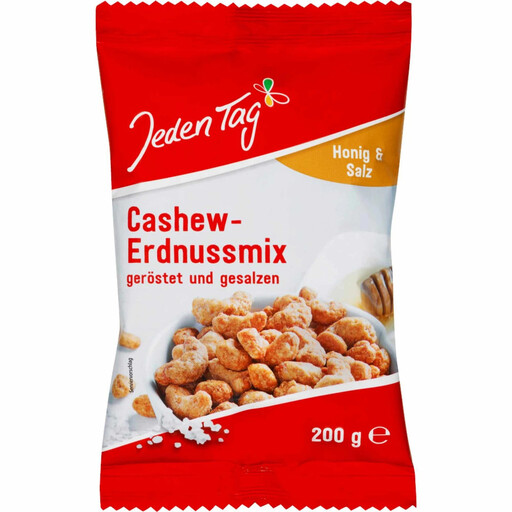 Image unavailable
Jeden Tag cashew and peanut mix with honey and salt, 200 g
This nut mix is a separate snack option to enjoy alongside dried fruit, not a fruit and seed mix. The pack contains 200 g, and honey and salt are part of this variety. Check the ingredients and allergen information before planning to share it with several people.
View at Joybuy
Frequently asked questions
Are dried fruits automatically a protein-focused choice?
No. The North Rhine-Westphalia Consumer Advice Centre describes dried fruit primarily as a food with concentrated sugar. If protein is a priority when you’re shopping for the family, compare the protein content per 100 g with that of a separate seed component or a specific mix.
Can a dried fruit and seed mix replace a meal after exercise?
Not necessarily. A mix like this is first and foremost a snack, and its composition depends on the proportions of its ingredients. The German Nutrition Society notes that carbohydrates are relevant after prolonged and intense exercise. That doesn’t mean you need this particular mix, or that it can replace a complete meal.
How can I check dried fruit for sulphur dioxide?
Read the ingredients and labelling on the specific pack rather than judging by the fruit’s appearance. This is especially important if someone wants to avoid sulphur dioxide or is sensitive to it.
What should I check when buying seeds for several family members?
Check the ingredients, nutritional information and allergen details on the pack you’re actually buying. For one pumpkin seed product, EDEKA lists possible traces of peanuts, soya, milk, celery, mustard, sesame and nuts. Don’t assume that this warning applies to other seed products without checking.


