If you regularly use the same dried fruit for porridge, baking or several people, a 500 g pack could be a good choice. If you use it less often or want to try several varieties, a smaller pack may suit you better. The right choice depends on the type of fruit, the ingredients, and the best-before date and storage instructions on the specific pack.
Who is stocking up suitable for?
Households that use dried fruit regularly
If you regularly use dried fruit for porridge, baking or several people, you could stock up on a larger pack of the same variety. Whether 500 g is right for you depends on how often you actually use that fruit.
Shoppers with specific ingredient requirements
If you’re looking for a particular fruit or want to avoid certain additives, check the ingredients list on the individual pack. If allergens or sulphites are a concern, check the labelling on the specific product rather than relying on a general statement about the brand.
Households with different uses in mind
You may not want to use the same fruit for snacks, baking, porridge and toppings. If you switch between these uses, you could choose several smaller packs rather than committing to one large pack.
What should you look for when buying?
First, decide which fruit you want and how often you’ll use it. Then check the information on the pack before choosing a size.
| What to consider | What to check | Who should consider it? |
|---|
| Pack size |
Compare the net weight with how much of the same fruit you expect to use. |
If I regularly add sultanas to porridge or baking, I don’t want to keep having to buy more. Around 40% of consumers prioritise finding a pack size that suits their needs. |
| Ingredients and labelling |
Read the ingredients list and nutritional information per 100 g; check the allergen labelling if needed. |
If I need to avoid certain ingredients or sulphites, the labelling on the specific pack determines my choice. Around 30% of consumers prioritise ingredients and individual dietary requirements. |
| Best-before date and storage |
Check the best-before date and storage instructions, including what to do after opening. |
If I don’t use the fruit often, I don’t want to open a pack that will sit around for a long time. Choosing a quantity that suits how much you use is the main concern for around 20% of consumers. |
| Type of fruit and how you’ll use it |
Choose the fruit and product form that suit your recipe or snack. |
If I need a particular ingredient or texture for a recipe, a large pack of a different variety is little use to me. Around 10% of consumers put their intended use first. |
Common buying mistakes
-
Buying a large pack without a specific use in mind
Pack size alone won’t tell you whether your household regularly uses sultanas, prunes or dates.
Before you buy, think about the recipes and snacks you’ll use the fruit for, and how often you’ll open the pack.
-
Assuming “no added sugar” means low in sugar overall
Dried fruit with no added sugar still contains naturally occurring sugars. The consumer advice centre Verbraucherzentrale points out that dried fruit can contribute to the sugar content of foods.
Read the ingredients list and the sugar figure in the nutritional information per 100 g separately.
-
Overlooking the best-before date when stocking up
The date applies when the product is stored under the conditions shown. When planning how much to buy, also consider how you’ll use the fruit after opening.
Compare the best-before date and storage instructions with how much you expect to use. If you only need it occasionally, a smaller pack may be enough.
-
Relying on the fruit or brand alone when checking for allergens
Sulphur dioxide and sulphites may be relevant if you have an allergy or intolerance. The Federal Office of Consumer Protection and Food Safety explains how the relevant allergens must be labelled on packaged foods.
Before buying, check the ingredients and allergen information on the specific pack.
Brands and ranges to help you choose
Seeberger
Seeberger offers a range of dried fruit, including dates, figs and prunes in 500 g packs.
- A choice of fruit types and pack sizes makes it easier to find the right option for how you plan to use them.
- A claim such as “no added sugar” doesn’t tell you the total sugar content; check the nutritional information for the variety you choose.
FARMER NATURALS bei ALDI SÜD
ALDI SÜD sells products under this own-brand label, including sultanas and prunes in 500 g packs.
- The two varieties offer different options for a regular stock-up.
- ALDI SÜD notes that suppliers and nutritional information may vary, so check the current pack.
Alesto bei Lidl
Lidl’s Alesto range includes dried fruit as well as nuts and snacks.
- Lidl describes some products, including mango strips, as having no added sugar.
- This description doesn’t automatically apply to every Alesto variety. Check the ingredients and pack size of the specific product.
TRADER JOE'S bei ALDI Nord
ALDI Nord’s dried fruit range includes prunes in 500 g packs, as well as smaller packs of fruit.
- The different sizes can be chosen to suit how much you plan to use.
- The range and specific packs may vary by store.
REWE Beste Wahl und REWE-Sortiment
REWE stocks its own-label products alongside products from other manufacturers, with a range of different types of dried fruit.
- Alongside classic dried fruit, the range also includes freeze-dried varieties.
- Availability varies by location. Check the type and form of fruit, as well as the pack size, at your chosen store.
Dried fruit at Joybuy
This selection includes sultanas, dates and prunes for regular kitchen use, as well as jujubes for specific recipes. Alongside 500 g packs, there’s a smaller pack of sultanas for when you need less.
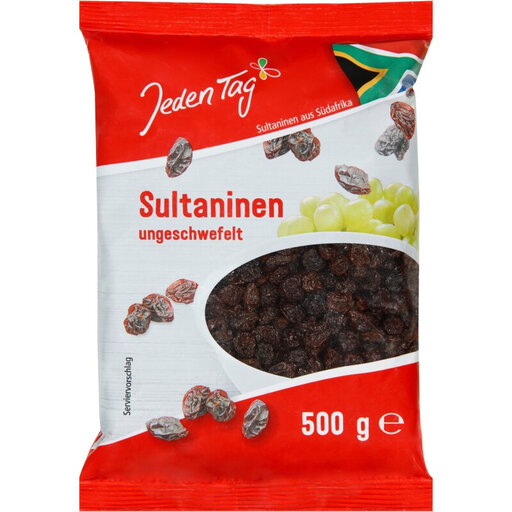 Image unavailable
Jeden Tag Sultanas 500 g
For households that regularly use sultanas in baking or porridge. Before stocking up, check the storage instructions for after opening.
View at Joybuy
 Image unavailable
Seeberger Deglet Nour Dates, Pitted, 500 g
For stocking up on pitted dates if you regularly use them in snacks or baking. When buying, check the ingredients and nutritional information on the pack.
View at Joybuy
 Image unavailable
Seeberger Soft Dried Prunes, Pitted, 500 g
For households that regularly enjoy prunes as a snack or use them in cooking. Check the ingredients list; even with pitted fruit, be aware that small fragments of stone may remain.
View at Joybuy
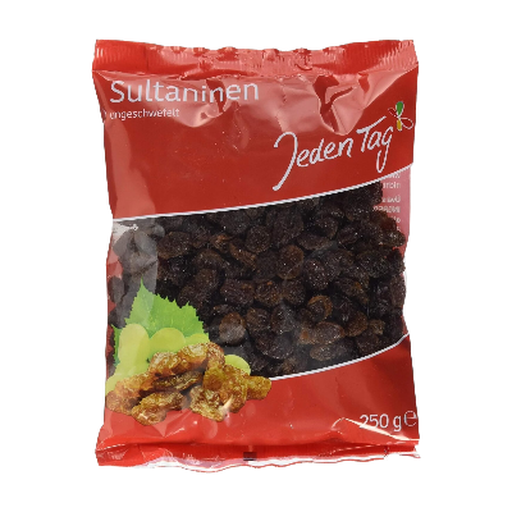 Image unavailable
Jeden Tag Sultanas 250 g
For porridge or baking when 500 g of sultanas is more than you plan to use. Compare the storage instructions and ingredients for this option with your requirements.
View at Joybuy
 Image unavailable
Haoxiangni Grade A No-Wash Jujubes 500 g
For stocking up on jujubes for specific uses, such as tea, soups or desserts. Choose the 500 g pack only if this fruit suits the ways you plan to use it and how much you’ll need.
View at Joybuy
Frequently asked questions
Is a 500 g pack right for everyone stocking up?
No, the amount should suit the fruit and how much you actually use. If you only use one variety occasionally or want to alternate between different fruits, consider smaller packs too, and check their storage instructions.
Does “no added sugar” mean dried fruit is low in sugar?
No, the claim doesn’t describe the total sugar content. Dried fruit also contains naturally occurring sugars, so check the ingredients list and the sugar figure per 100 g for the specific variety.
What should I look for when it comes to sulphites and other allergens?
If you have an allergy or intolerance, check the labelling on the specific pack. The Federal Office of Consumer Protection and Food Safety explains that relevant allergens in packaged foods must be highlighted in the ingredients list. These include sulphur dioxide and sulphites when they are subject to mandatory labelling.
What does the best-before date mean for my dried fruit stock?
It indicates how long a packaged food will retain its specific qualities when stored correctly. Also follow the storage instructions on the pack you choose, especially after opening.


