Households that use dried fruit regularly
If you regularly use dried fruit for baking, desserts or sharing, a larger pack could be a good option. The key is choosing a type of fruit you’ll actually use up.


A 500 g pack of dried fruit can be a good fit for your household during the Christmas market season, provided the type of fruit, texture and quantity suit your baking or snacking plans. Compare the price per kilo only for like-for-like fruit, and check the ingredients, nutritional information and storage instructions. A larger pack is no bargain if some of it goes unused.
If you regularly use dried fruit for baking, desserts or sharing, a larger pack could be a good option. The key is choosing a type of fruit you’ll actually use up.
If you need to watch out for sulphur dioxide, sulphites or possible traces of other allergens, check the labelling on the specific pack. This matters even when comparing two packs of the same type of fruit.
For recipes and snack platters, the texture matters as much as the quantity. Sultanas, pitted fruit and varieties labelled ‘soft’ aren’t automatically interchangeable.
First, choose a fruit that suits how you plan to use it. Then consider whether you can use the pack size and which details on the specific product matter to you.
| What to consider | What to check | Who it matters most to |
|---|---|---|
| Price per kilo and quantity | Compare the net weight and price per kilo for the same type of fruit with similar processing, and consider how much you plan to use. | If I bake with sultanas regularly, I want to be able to use a larger pack rather than store leftovers for a long time. For around 36% of shoppers, quantity and ease of comparison are the top priorities. |
| Ingredients and allergens | Read the ingredients list and check the specific pack for sulphur dioxide, sulphites and possible traces. | If I need to avoid certain ingredients or allergens, clear labelling matters more to me than the pack size. Around 29% of shoppers put suitable ingredient and allergen labelling first. |
| Sugar information | Check the nutritional information per 100 g and the ingredients list. Don’t assume ‘no added sugar’ means ‘sugar-free’. | For snack platters or baking, I want to know the sugar content before choosing a fruit and quantity. Around 21% of shoppers prioritise checking the nutritional information. |
| Texture and intended use | Match the type of fruit and descriptions such as ‘pitted’, ‘soft’ or ‘ready to eat’ to how you plan to use it. | If the fruit is going on a snack platter or into a recipe, I need the right texture. It’s the top buying priority for around 14% of shoppers. |
You can’t compare a 500 g pack with a smaller one based on the pack price alone. The price per kilo is not much help either if you’re comparing different types of fruit.
Start by comparing the same type of fruit with similar processing, then check whether you’ll use the larger quantity.
This refers to added sugar, not the sugar naturally present in the fruit. The North Rhine-Westphalia Consumer Advice Centre says dried fruit typically contains 50 to 70% sugar.
Read the nutritional information per 100 g and consider how much you plan to use in your recipe or as a snack.
Sulphur dioxide and sulphites, as well as possible traces of other allergens, can be decisive when choosing a product. ‘Unsulphured’ doesn’t mean you can ignore the rest of the label.
If you have relevant intolerances, check the ingredients and allergen information on the specific pack rather than assuming the recipe based on the type of fruit or brand.
Lidl describes Solevita as a drinks brand, so it isn’t a like-for-like product range for comparing packs of dried fruit.
Look for dried fruit at Lidl, for example in the Alesto range, and compare the type of fruit and pack size available.
According to its own range information, Seeberger offers various dried fruits, including several fruits in 500 g packs and soft varieties.
REWE’s online range includes dried fruit from various suppliers, including 500 g packs and sultanas described as unsulphured.
EDEKA24 stocks dried fruit from various brands and own-label ranges, including Alnatura organic raisins in a 500 g pack.
Lidl includes dried fruit in its Alesto range, making it a useful starting point when looking for this product category.
ALDI SÜD lists FARMER NATURALS sultanas and prunes in 500 g packs on its product pages; ALDI Nord lists TRADER JOE'S prunes in a 500 g tin.
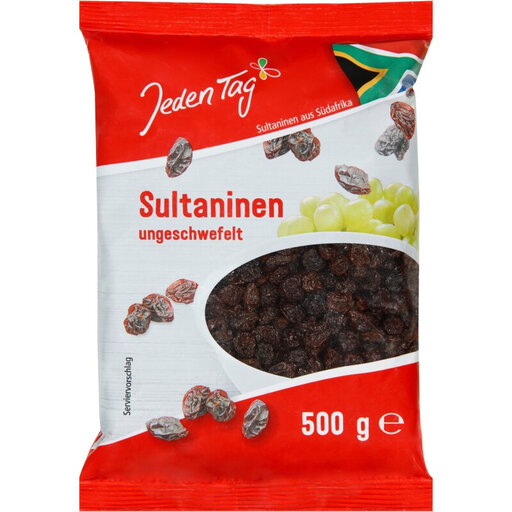
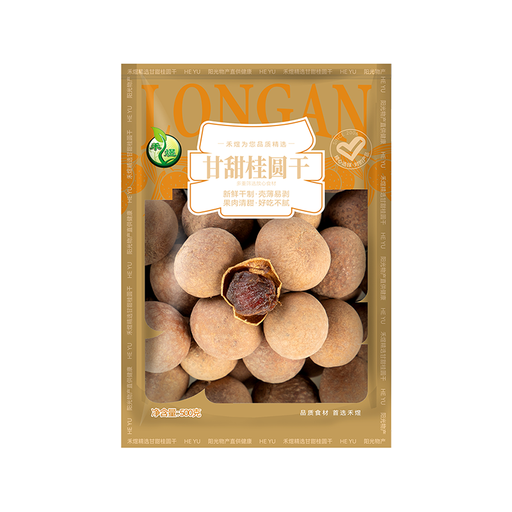
This selection includes four types of dried fruit in 500 g packs: sultanas, as well as jujube and longan for households looking specifically for these fruits. They’re not interchangeable, so choose based on how you plan to use them.
 No image available
For households that want to use sultanas regularly in baking or desserts. The pack contains 500 g. Before use, check the ingredients and allergen information, as well as the storage instructions for after opening.
 No image available
An option if you’re specifically looking for jujube for snacks or recipes. The pack contains 500 g. Once opened, plan how quickly to use it based on the pack instructions and how you intend to use the fruit.
 No image available
For households planning to use this dried fruit specifically for cooking or baking. The pack contains 500 g. Check the exact variety on the pack to make sure it suits your recipe.
 No image available
For households looking to use longan specifically as an ingredient in food or drinks. The pack contains 500 g. Follow the preparation and storage instructions on the specific pack rather than treating it as a ready-to-eat snack.
It’s a good fit if you use the same type of fruit regularly and can store it properly after opening and use it up in good time. Compare the price per kilo only for like-for-like fruit with similar processing.
No. ‘No added sugar’ doesn’t mean ‘sugar-free’. The North Rhine-Westphalia Consumer Advice Centre says dried fruit typically contains 50 to 70% sugar. For the product you choose, check the nutritional information per 100 g and the ingredients list.
Check the ingredients and allergen information on the specific pack, including any trace warnings. The Lower Saxony State Office for Consumer Protection and Food Safety highlights how important clear labelling of sulphur dioxide and sulphites is for sensitive people.
Follow the storage instructions on the pack and seal it securely after opening. Check the contents before using them again; fruit visibly affected by mould or pests shouldn’t be used in food.
No. Lidl describes Solevita as a drinks brand. For dried fruit, look in the relevant product category; Lidl lists Alesto as a brand whose range also includes dried fruit.