Shoppers keeping an eye on fat
You’re looking for dried fruit for a picnic and want to compare the fat per 100 g on the packaging, rather than relying solely on a claim on the front.


For a picnic in the park, the nutrition information and ingredients on the specific pack tell you more than a general claim that a dried fruit is ‘reduced fat’. Compare the fat and sugar per 100 g, and think about how much you want to take with you. EDEKA lists 0 g of fat per 100 g for a product made with pitted prunes, while ALDI SÜD lists 2.8 g per 100 g for a fig product. These figures apply to those specific products, not to every prune or fig. If you prefer a crisp snack to soft fruit, you could consider freeze-dried options, but remember to check the sugar per 100 g for those too.
You’re looking for dried fruit for a picnic and want to compare the fat per 100 g on the packaging, rather than relying solely on a claim on the front.
You’d like to take a sweet fruit snack with you and check in advance how much sugar your chosen dried fruit contains per 100 g, as well as how much you actually want to eat.
You’d rather have crunchy fruit than soft dried fruit at your picnic, and want to know how to reseal an opened pack.
Start by comparing the fat content of the specific dried fruit. Then use the sugar content, texture you prefer and pack size to help you choose what to take on your picnic.
| What to consider | What to check | Who it matters to |
|---|---|---|
| Fat content | Compare ‘fat’ per 100 g across similar products. If a product is labelled ‘reduced fat’, also check what it is being compared with. | I want to choose dried fruit with a fat content that suits me for my picnic, rather than relying on the front of the pack. This is a priority for around 36% of shoppers. |
| Sugar and portion size | Check ‘of which sugars’ per 100 g and the ingredients list, then decide how much you want to take with you. | When I’m snacking from an opened pack, I want to keep an eye on the sugar content and my portion size. Around 29% of shoppers prioritise this. |
| Texture and storage | Choose between soft dried fruit and crunchy freeze-dried fruit. If you open a pack, check the storage instructions. | For me, the main consideration at a picnic is whether the snack has the texture I enjoy and whether I can store any leftovers. This matters most to around 21% of shoppers. |
| Pack size and shopping | Check the pack size and the label on the pack you’re actually buying. Before you shop, find out whether the product you want is available locally. | If several people are sharing, I want to find a suitable pack size and not rely solely on an online image. Around 14% of shoppers prioritise this. |
The term describes a comparison with similar foods, not the fat content you personally have in mind. Even when a product carries this claim, the nutrition information on the specific pack is what matters.
Compare the ‘fat’ per 100 g in similar dried fruit products, and check what the claim on the packaging refers to.
Fruit still contains its natural sugars, even when no sugar has been added. According to the Verbraucherzentrale, removing water from freeze-dried fruit increases the sugar content per 100 g.
Check ‘of which sugars’ per 100 g and the ingredients list. For your picnic, you can portion out an amount that suits how much you plan to eat.
For some products, EDEKA and ALDI SÜD point out that packaging information or suppliers may vary. A product shown online may also not be available in every shop.
When you shop, check the ingredients, product information and nutrition details on the pack actually on offer.
Seeberger offers traditional dried fruit as well as freeze-dried fruit. These products suit different preferences for soft or crunchy snacks.
These REWE own-label ranges include a variety of fruit products, including traditional dried fruit and freeze-dried options.
EDEKA’s own-label ranges offer a useful starting point for comparing individual dried fruit products by their ingredients and nutrition information.
Alesto is a Lidl brand offering nuts and dried fruit. For this article, the relevant products are its dried fruit options.
The ALDI SÜD product range includes traditional dried fruit such as figs.
These products are dried fruit, described as mostly soft, for a picnic snack. Compare the pack sizes and nutrition information for the option you choose. Crunchy freeze-dried fruit is not included here.
 No image available
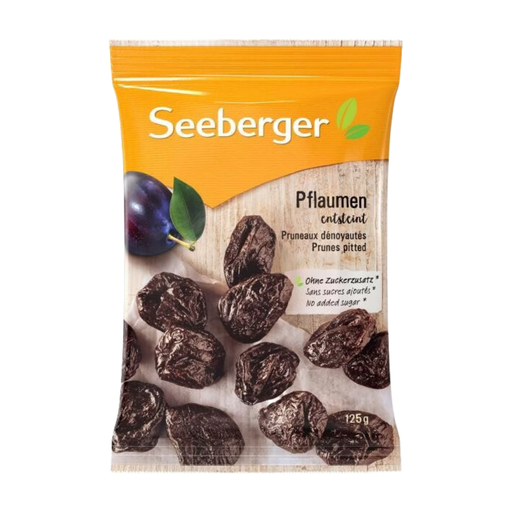
These soft, pitted prunes could be a good choice if you’re looking for a 125 g pack of soft fruit for your picnic. Despite the ‘pitted’ description, fragments of stones may be present, so take care when eating them. Also check the sugar content on the pack before making your choice.
 No image available
This 80 g pack of dried apple rings is a good option if you’d prefer apple to prunes as a picnic snack. This product contains sodium metabisulphite and sulphites, so check the ingredients and allergen information on the pack. Also compare the sugar content per 100 g.
 No image available
These soft dried mango slices come in a 100 g pack and are a good option if you prefer chewy mango for your picnic. This product contains sodium metabisulphite and sulphites, so check the information on the pack and the sugar content.
 No image available
These dried jujubes may suit you if you’d rather take a 500 g pack than a smaller individual pack. This product is labelled ‘No-Wash’. If you choose the larger pack, plan how much you’ll need and follow the storage instructions after opening.
 No image available
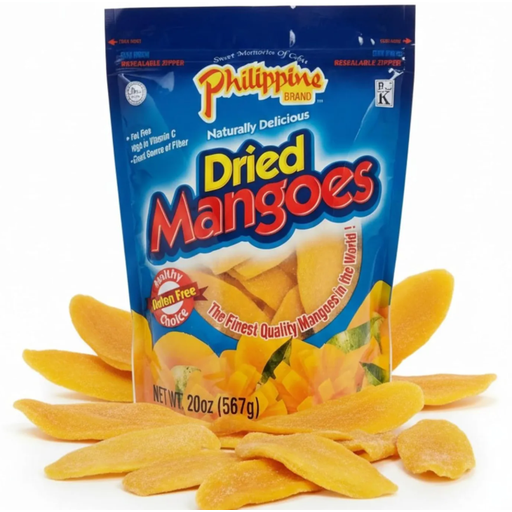
This 100 g pack of dried mango is another handy size if you’re looking for a chewy fruit snack. This product contains added sugar and sodium metabisulphite. Check the ingredients, allergen information and storage instructions for an opened pack.
No, it depends on the specific product. EDEKA lists 0 g of fat per 100 g for a product made with pitted prunes, while ALDI SÜD lists 2.8 g per 100 g for a fig product. So check the nutrition information on the pack you’re planning to buy.
No, it still contains the sugars naturally present in fruit. The Verbraucherzentrale explains that removing water from freeze-dried fruit increases the sugar content per 100 g. To compare products, check the ‘of which sugars’ figure on each pack.
This claim describes a reduction compared with similar foods; it doesn’t tell you the exact fat content of the product you’re choosing. Check both what the claim is being compared with and the ‘fat’ per 100 g on the specific pack.
Follow the instructions on the pack and seal it well after opening. One product listed by REWE specifically recommends storing it in a dry place away from light; bear this in mind when keeping an opened pack for later.
Check the ingredients and allergen information on the specific pack for sulphur dioxide or sulphites. Seeberger offers some products without added sulphur dioxide, but this claim does not apply to every product in the range.