Individually wrapped portions are a good choice when you want to share dried fruit between several people or lunchboxes without having to portion it out yourself. If you prefer to decide how much to have at each break, a resealable bag gives you more flexibility. For both formats, check the ingredients, sugar per 100 g and any allergens to make sure the specific product is suitable for everyone who’ll be eating it.
Which format suits you?
Planning breaks for a team or lunchbox
If you want to hand out snacks in advance, you need portions that are easy to separate. For multipacks, check how many portions they contain and their size; with a shared bag, you’ll also need time to portion it out.
Comparing ingredients and sugar
For a coffee break, you’ll want to choose the fruit and ingredients that suit you. ‘No added sugar’ doesn’t mean you can skip checking ‘of which sugars’ in the nutrition information per 100 g, as the Verbraucherzentrale also points out in its guidance on sugar in food.
Checking for allergens
If several people will be sharing a pack, its ingredients need to be suitable for everyone. With dried fruit and nut-and-fruit mixes in particular, check the highlighted allergens and any information about sulphur dioxide or sulphites.
What to look for when buying
First, decide whether you need a ready-made portion for each break or can portion the fruit out yourself. Then check the ingredients, nutrition information and allergen details for the specific product.
Individual portions and snack boxes
A good choice if: you want to share dried fruit between desks or lunchboxes without having to portion it out.
The trade-off: individual portions mean extra packaging, and the number and contents of the individual packs need to suit your needs.
Resealable bag
A good choice if: you want to take as much as you need for each break at home or in the office.
The trade-off: you’ll need your own containers and time to portion the fruit out for lunchboxes or sharing with others.
| Criteria |
What to check |
Who it matters to |
| Portioning |
Check the number and weight of the individual packs; don’t mistake one large bag for a multipack. |
If I’m preparing snacks for several breaks or lunchboxes, I want to be able to divide them up without having to portion them out myself. For around 40% of consumers, this ability to portion snacks would be the main consideration. |
| Ingredients and sugar |
Compare the ingredients list and the ‘of which sugars’ figure per 100 g. |
If I’m planning a regular coffee break, I want to know whether sweetening ingredients have been added and how much sugar the dried fruit contains overall. This transparency would be the top priority for around 30% of consumers. |
| Allergens and sulphites |
Check the highlighted allergens and any information about sulphur dioxide and sulphites on the specific pack. |
If I’m sharing a fruit mix with others, I need to check in advance whether its ingredients are suitable for everyone. Checking for allergens would be the main reason to buy for around 30% of consumers. |
Common buying mistakes
-
Assuming ‘no added sugar’ means ‘low in sugar’
This claim doesn’t tell you the total sugar content. The fruit’s naturally occurring sugars are included in the nutrition information too; because the water has been removed, there is more sugar per 100 g.
Compare the ingredients list and the ‘of which sugars’ figure per 100 g. Also think about how much you’ll have or share at each break.
-
Sharing a fruit mix without checking for allergens
A mix may contain sulphur dioxide or sulphites, while nut-and-fruit mixes may include other potential allergens. For example, EDEKA lists sulphur dioxide in its fruity mixed fruit.
Before sharing, check the ingredients and highlighted allergens on the specific pack. If someone has a known allergy, they’ll need to take their individual requirements into account.
-
Mistaking a large bag for a multipack
A larger overall quantity doesn’t mean the pack contains separate portions. This makes a practical difference when preparing lunchboxes or sharing snacks with several people.
Check whether the pack actually contains individual portions. If you want to portion it out yourself, check whether the bag can be resealed.
You may need extra containers and time to prepare the portions.
-
Relying on old product information for the current pack
Products and ranges can vary by market or supplier. ALDI SÜD notes that the nutrition information for its dried cranberries may vary depending on the supplier.
When you buy, check the contents, ingredients and nutrition information on the current label.
Brands to consider
Seeberger
Seeberger’s range includes different types of dried fruit and pack sizes, as well as smaller snack formats across its wider selection.
- Useful if you want to compare fruit types and pack sizes within one brand’s range.
- Check the packaging of the specific product to see whether it contains individual portions and what the ingredients are.
REWE Beste Wahl / REWE Bio
REWE stocks dried fruit in a range of types and formats, including dates and freeze-dried fruit.
- A convenient place to look if you’re choosing dried fruit as part of your regular shop.
- The products available depend on the location you choose.
EDEKA Herzstücke
EDEKA describes its fruity mixed fruit as a blend of five types of fruit in a resealable 250-g bag.
- An example of a shared pack that lets you take out portions as needed.
- This particular mix contains sulphur dioxide; check the information on the current pack before sharing it.
Alesto
Lidl sells dried fruit and other types of snacks under the Alesto brand.
- Compare plain dried fruit with snack mixes by checking the ingredients of each product.
- The brand name alone doesn’t tell you the ingredients or whether an individual product contains separate portions.
FARMER NATURALS / FARMER
ALDI SÜD sells dried fruit under these brands, with pack sizes including 200 g and 500 g.
- Larger bags may suit you if you want to portion the fruit out yourself.
- ALDI SÜD notes that nutrition information may vary between suppliers for some products; always check the current label.
Dried fruit for portioned breaks
These Joybuy products are described as packs containing several smaller bags. Before planning snacks for several people, check the portion details and ingredients on the specific packaging.
 Image unavailable
Haoxiangni ready-to-eat red dates, 900 g (30 × 30 g)
The 30 individual 30 g bags listed in the product title make it easier to prepare snacks for separate breaks or lunchboxes.
Before sharing, check the ingredients and whether the dates are pitted.
View on Joybuy
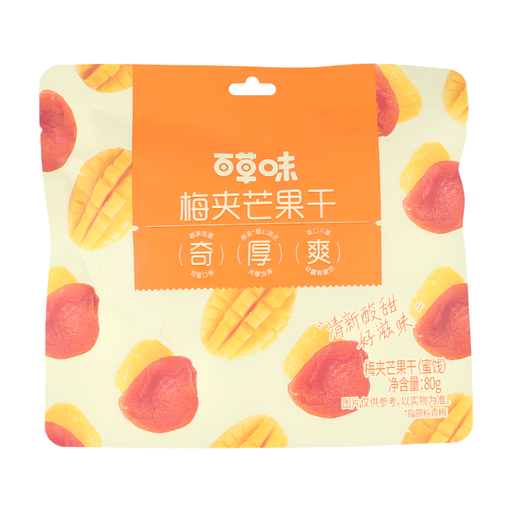 Image unavailable
Be&Cheery dried mango with plum, 80 g (12 bags)
The 12 small bags listed in the product title may suit you if you want to spread a fruit snack across several breaks.
Before planning your portions, check the quantity in each bag, as well as the ingredients and nutrition information on the pack.
View on Joybuy
Frequently asked questions
Are individual portions always better for an afternoon break?
No. Individual portions save you the effort of portioning snacks out when sharing them between people or lunchboxes, while a resealable bag gives you more control over how much you take. With either format, check which ingredients you’ll get and how the pack is actually divided.
What does ‘no added sugar’ mean on dried fruit?
It doesn’t mean that dried fruit is low in sugar. Naturally occurring sugars are included in the ‘of which sugars’ figure, so compare the ingredients list and nutrition information per 100 g.
How can I check dried fruit for sulphur dioxide or sulphites?
Read the ingredients list and highlighted allergen information on the specific pack. For example, the fruity mixed fruit described by EDEKA lists sulphur dioxide; you’ll need to check any other mix separately.
How should I store an opened pack of dried fruit?
First, follow the storage instructions on the pack and reseal it after taking out what you need. EDEKA recommends storing dried pineapple in a cool, dry place and using sealable, opaque containers; advice may differ for other products.


