If you’re specifically looking for protein after a workout, dried fruit on its own is usually not the best choice as the main part of your snack: EDEKA lists 2.7 g of protein per 100 g for one mixed-fruit product, while ALDI SÜD lists 3 g for dried figs. After a longer or more intense workout, however, dried fruit can work as a source of carbohydrates. If you’re aiming to increase your protein intake, also check the protein content of a separate food you choose, along with the sugar, ingredients and allergens in your overall selection.
Who might be interested in dried fruit?
People training with a protein target in mind
If you’re planning to get a specific amount of protein after your workout, compare the amount per 100 g and in your portion. Don’t treat dried fruit on its own as a protein-focused meal: the examples from EDEKA and ALDI SÜD each provide only a few grams of protein per 100 g.
Endurance athletes after longer sessions
If carbohydrates are your priority after a longer or more intense workout, dried fruit can be a convenient snack component. The German Nutrition Society explains that eating carbohydrates after this type of exercise can help replenish your stores more quickly.
People who check ingredients carefully
If sugar, added ingredients or sulphites affect your choice, check the nutritional information, ingredients list and allergen advice on the specific pack. The ingredients vary between plain dried fruit and mixed products.
What should you look for when buying?
First, decide whether you’re choosing a snack mainly for protein or carbohydrates. Then check the nutritional values for your portion and the ingredients in the specific pack.
| Criteria |
What to check when buying |
Who it matters to |
| Protein |
Compare the protein per 100 g and in your planned portion; for a mix, check the nutritional values for the whole product. |
If I want to plan for a specific protein intake after my workout, the snack needs to make a clear contribution towards my target. This protein goal is the top priority for around 42% of consumers when choosing what to eat. |
| Carbohydrates |
Check the carbohydrates and sugar per 100 g, as well as the portion you plan to eat. |
After a longer or more intense workout, I want to focus on carbohydrates rather than choosing dried fruit based on an assumed protein content. This is the priority for around 33% of consumers. |
| Ingredients and suitability |
Read the ingredients list and allergen advice, particularly if the product contains nuts or you have a known sensitivity to sulphites. |
If I need to avoid certain ingredients or want to keep an eye on sugar, the details on the specific pack will guide my choice. This takes priority for around 25% of consumers. |
Common misconceptions
-
Choosing plain dried fruit because it’s “high protein”
A search term doesn’t automatically reflect a product’s nutritional values. EDEKA lists 2.7 g of protein per 100 g for its Fruchtiges Mischobst, while ALDI SÜD lists 3 g per 100 g for the figs mentioned.
If protein is your main priority, check the figures on the specific pack. A fruit and nut mix or an additional food should also be assessed using its own nutritional information.
-
Confusing “no added sugar” with “sugar-free”
Dried fruit still contains naturally occurring sugar, even with no added sugar. Removing the water makes the sugar more concentrated per 100 g, as the consumer advice centre explains in relation to freeze-dried fruit.
Compare the sugar per 100 g and consider how much you actually plan to eat. Also read the ingredients list if added sugars are a concern.
-
Checking allergen advice only on nut mixes
Dried fruit can also contain ingredients that may affect your choice: EDEKA lists sulphur dioxide in its Fruchtiges Mischobst.
If you have a known sensitivity to sulphites, check the ingredients list and allergen advice on every pack. For fruit and nut mixes, you should also check which nuts are listed.
Useful brands to consider
Brand names can help you find dried fruit, but when choosing a post-workout snack, the details for each individual product are what matter.
Seeberger
REWE stocks a range of dried fruit, including Seeberger mango and pitted dates.
- An option if you’re looking for individual dried fruits rather than a mix.
- The brand alone doesn’t tell you the protein content; compare the nutritional values and ingredients on the specific pack.
REWE Bio / REWE Beste Wahl
REWE’s range includes different types of products, including dried fruit and seeds.
- The separate product types make it easier to find a fruit or ingredient for a mix of your own.
- Nutritional values and ingredients apply to each specific product, not to the range as a whole.
EDEKA Herzstücke
EDEKA describes its Fruchtiges Mischobst as a 250 g pack containing apricots, plums, pears, peaches and apple rings.
- For this mixed-fruit product, EDEKA lists 56.6 g of carbohydrates and 2.7 g of protein per 100 g.
- According to EDEKA, the product contains sulphur dioxide. Check the details on the pack, particularly if sulphites are relevant to you.
NATURLIEBLINGE – KLEINE SCHÄTZ (ALDI SÜD)
ALDI SÜD describes the dried figs from this brand as coming in a 200 g pack.
- For these figs, ALDI SÜD lists 66 g of carbohydrates per 100 g.
- At 3 g of protein per 100 g, these figs aren’t the best choice as your main snack if you’re specifically aiming to increase your protein intake.
Fruit and nut mixes at Joybuy
This selection includes fruit and nut mixes for anyone who wants to combine dried fruit and nuts in one snack. To decide whether a mix suits your protein target, check its nutritional information and consider the portion you plan to eat.
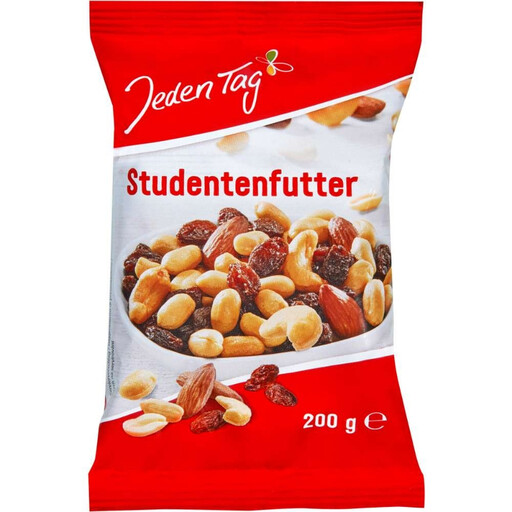 Image unavailable
Jeden Tag Studentenfutter Nut & Raisin Trail Mix, 200 g
A raisin and nut mix to take with you when you want a snack that combines dried fruit and nuts. Compare the protein and sugar in your portion, and check the allergen advice if you have a nut allergy.
View at Joybuy
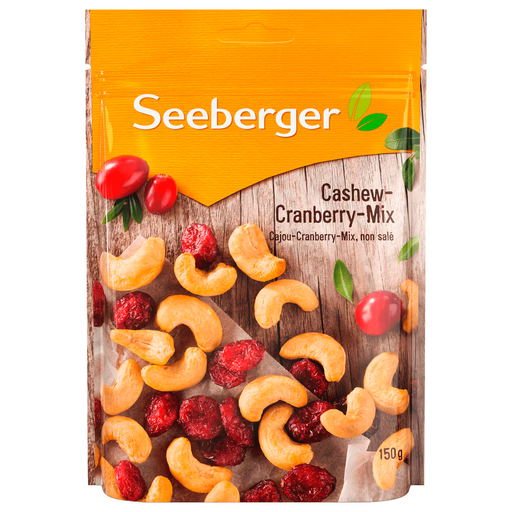 Image unavailable
Seeberger Cashew & Cranberry Snack Mix, 150 g
A mix with cashews and cranberries if you’re after a fruit and nut snack rather than plain dried fruit. Check the sugar, protein and ingredients on the specific pack, as well as the nut allergy advice.
View at Joybuy
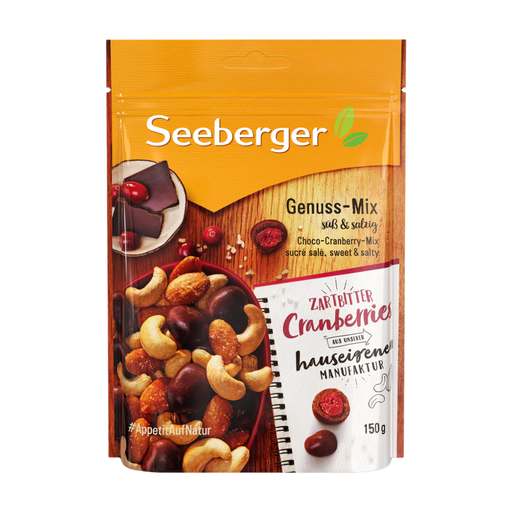 Image unavailable
Seeberger Pleasure Nut & Fruit Mix, 150 g
A nut and fruit mix for when you want both in one snack. Before choosing, read the full ingredients list and compare the protein and sugar per 100 g with your planned portion.
View at Joybuy
Frequently asked questions
Is plain dried fruit a high-protein choice after a workout?
The dried fruit examples mentioned suggest not: EDEKA lists 2.7 g of protein per 100 g for its Fruchtiges Mischobst, while ALDI SÜD lists 3 g for dried figs. If protein is your main priority, check the nutritional information for any additional component you choose.
When is dried fruit a good choice after a workout?
Dried fruit can be a good choice if you’re planning to eat carbohydrates after a longer or more intense workout. The German Nutrition Society explains that a quick intake of carbohydrates after this type of exercise can help replenish your stores more quickly. The right amount depends on your individual needs and activity.
Is dried fruit with no added sugar sugar-free?
No. Dried fruit still contains natural sugar. Compare the sugar listed in the nutritional information and read the ingredients list if you also want to take added sugars into account.
What should I look out for with sulphites in dried fruit?
If you have a known sensitivity to sulphites, check the ingredients list and allergen advice on the specific pack. For example, EDEKA lists sulphur dioxide in its Fruchtiges Mischobst; this doesn’t mean that other dried fruit products contain it.


