People looking for a protein-focused BackWerk lunch
You want to prioritise protein at lunch and are looking for dried fruit to go with a suitable main item, not to replace it.


If protein is your priority with a BackWerk lunch, choose dried fruit as an accompaniment, not as your main source of protein. EDEKA lists 2.9 g of protein per 100 g for GUT&GÜNSTIG prunes, while REWE gives around 3.6 g per 100 g for dried figs. Check your main item first: BackWerk lists 6.1 g of protein per 100 g for Pane Ei. Then choose your dried fruit based on its ingredients, sugar content and portion size.
You want to prioritise protein at lunch and are looking for dried fruit to go with a suitable main item, not to replace it.
You want to take dried fruit with you and understand the difference between added sugar in the ingredients list and the sugar content in the nutrition information.
You look out for preservatives and sulphur dioxide information, especially if a particular ingredient matters to you.
For a protein-focused lunch, check your main item first. Then, when choosing dried fruit, consider the portion you’ll eat, the nutrition information and the ingredients list.
| What to consider | What to check | Who it matters most to |
|---|---|---|
| Protein in your lunch | Compare the protein content of your main item and the dried fruit per 100 g, and bear in mind the portion you choose. | If protein is my main lunch priority, dried fruit should just be a side. Around 50% of consumers put protein first when making this choice. |
| Fruit and sugar | Check the ingredients list for added sugar and look at “of which sugars” in the nutrition information. | For a snack on the go, I want fruit with no added sugar, while still taking its actual sugar content into account. This is the top priority for around 33% of consumers. |
| Ingredients and labelling | Read the ingredients list and check the specific pack for information about preservatives or sulphur dioxide. | If an ingredient matters to me, I don’t rely on the type of fruit or a product image alone. Checking ingredients is the main concern for around 17% of consumers. |
The figures for the products compared here are lower than for the BackWerk main item mentioned: EDEKA lists 2.9 g of protein per 100 g for GUT&GÜNSTIG prunes, and REWE gives around 3.6 g for dried figs. BackWerk lists 6.1 g per 100 g for Pane Ei.
Choose your main item based on its protein content first, then decide whether dried fruit would make a good addition to your lunch.
This claim refers to added sugar, not the total sugar content. The Verbraucherzentrale NRW says dried fruit typically contains 50 to 70% sugar.
As well as checking the ingredients list, look at “of which sugars” per 100 g and consider how much you plan to eat.
Dried fruit can be processed in different ways, depending on the product. The Verbraucherzentrale NRW highlights the use of sulphur dioxide in conventionally dried fruit; for the GUT&GÜNSTIG prunes described, EDEKA lists potassium sorbate as a preservative.
If an ingredient matters to you, check the current information on the pack rather than assuming what’s in the product based on the type of fruit.
A range to compare if you’re specifically looking for dried figs with particular ingredient claims.
A retailer to compare for dried fruit and nuts when choosing fruit and other ingredients for your lunch.
A specific prune product with nutrition information you can use for comparison.
These fruit snacks could go well with a BackWerk lunch. If protein is your main priority, check the protein content of your main item separately and read the current labelling on the fruit pack.
 No image available
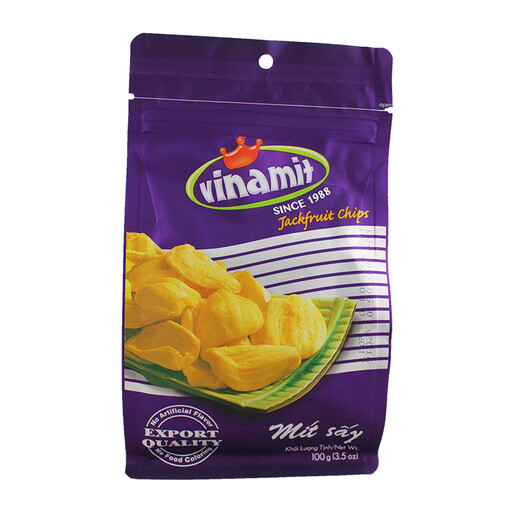
A fruit option to add to your lunch if you’re getting your protein from your main item.
Pack size: 100 g. Before buying, check the ingredients and nutrition information on the current pack.
 No image available
Dried red jujubes to enjoy as a fruit accompaniment, not as your lunch’s sole source of protein.
Pack size: 500 g. For the portion you plan to eat, check the ingredients and nutrition information on the current pack.
Choose dried fruit as an accompaniment, and check the protein content of your main item first. EDEKA lists 2.9 g of protein per 100 g for GUT&GÜNSTIG prunes, while REWE gives around 3.6 g per 100 g for dried figs. So taste and ingredients may also help you decide between the two.
No. The claim refers to added sugar. The Verbraucherzentrale NRW says dried fruit typically contains 50 to 70% sugar, so also check “of which sugars” in the nutrition information and bear your portion in mind.
Check the ingredients list and labelling on the specific pack. The Verbraucherzentrale NRW notes that sulphur dioxide may be used to treat dried fruit; for the GUT&GÜNSTIG prunes described, EDEKA lists potassium sorbate.
First compare the protein figures using the same basis, then consider how much of each you plan to eat. BackWerk lists 6.1 g of protein per 100 g for Pane Ei and a selling weight of 232 g; for dried fruit, use the figures to work out the protein in the portion you actually choose.