If you’re looking for a protein-conscious picnic snack, dried fruit works well as a fruity addition, but it isn’t a reliable main source of protein. REWE lists 1.5 g of protein per 100 g for ja! prunes, while ALDI SÜD lists 3 g per 100 g for its tested dried figs. If you’d like your snack to contain more protein, you could pack a separate portion of pumpkin seeds; one EDEKA product lists 34.8 g of protein per 100 g. For both items, check the nutritional information and ingredients on the specific pack, and consider how much you plan to take with you.
Who is this choice important for?
Shoppers prioritising protein
You want to keep an eye on your protein intake at your picnic after an active session in the park. In that case, what matters is how much protein your planned portion actually provides. Dried fruit can add a fruity element to your snack; if you’re after more protein, you could pack a separate addition such as pumpkin seeds.
Shoppers with specific ingredient preferences
You’re looking for a fruity snack to take with you and want to avoid ingredients such as added sugar or sulphur dioxide. Check the ingredients and information on the specific pack rather than assuming the recipe based on the type of fruit.
Shoppers planning their portions
You want to pack some sweet dried fruit while keeping an eye on the sugar and energy content of the amount you take with you. Nutritional information per 100 g helps you compare products; for your picnic, it’s also important to consider how much you’ll actually portion out.
What should you look for when buying?
First, decide whether dried fruit will simply provide the fruity part of your snack or whether you’ll pair it with a separate source of protein. You can then compare the ingredients, nutritional information and packaging to find the right options for your outing.
| Criteria |
What to check |
Who it matters to |
| Protein content |
Compare the protein per 100 g and calculate how much it provides in your planned portion. Check dried fruit and any possible addition separately. |
If protein is my priority for a picnic snack, I want to know how much the portion I pack will contribute. Around 36% of shoppers would make protein content their main priority here. |
| Ingredients and labelling |
Read the ingredients list, allergen information and may-contain warnings on the specific pack; check for added sugar and sulphur dioxide if needed. |
If I have an ingredient preference or sensitivity, I need a pack that clearly meets my needs, even if I’ve already chosen the type of fruit. Around 29% of shoppers would make this check their priority. |
| Portion, sugar and energy |
Compare the sugar and energy per 100 g, and take into account how much dried fruit and how many seeds you plan to pack. |
I want to take something sweet for my picnic without letting the pack size dictate my portion. Around 21% of shoppers would focus mainly on portion size. |
| Specific pack |
When shopping, check the pack size, current ingredients and nutritional information; if needed, keep another type of fruit or pack of seeds in mind as an alternative. |
If I’m shopping shortly before my outing, I need a suitable alternative in case the pack I originally planned to buy isn’t available. Around 14% of shoppers would put this practical choice first. |
Which mistakes can you avoid?
-
Assuming dried fruit is a source of protein because you’re going on an active outing
The occasion doesn’t change the nutritional information: the REWE prunes mentioned here provide 1.5 g of protein per 100 g, while ALDI SÜD’s dried figs provide 3 g per 100 g. So if you mainly want to pack protein, don’t treat your fruit portion as a source of protein.
Compare the protein figures for the amount you plan to take. If you’re adding pumpkin seeds, portion the fruit and seeds separately.
-
Judging sugar and energy content by the fact that it’s “fruit”
Drying removes water. REWE lists 39 g of sugar per 100 g for its ja! prunes, so a whole pack isn’t a useful guide to every picnic portion.
Check the sugar and energy per 100 g, then decide how much you want to take before packing. The ingredients list will tell you whether sugar has been added.
-
Confusing “no added sugar” with “sugar-free”
A statement about added sugar doesn’t tell you how much sugar the fruit naturally contains. Information about sulphur relates to a different aspect of the recipe; it doesn’t replace nutritional information or allergen warnings.
Read the label on each pack of fruit or seeds individually, especially if you need to avoid specific ingredients or declared allergens.
-
Planning around just one specific own-brand pack
Online product information may differ from the current packaging. EDEKA notes that product information may vary, while ALDI SÜD says its dried figs may differ depending on the supplier.
Check the pack actually available when you shop. You can choose the fruit and seeds independently for your snack.
Brands to help you choose
The following examples can help you compare specific fruit products and pumpkin seeds. What matters is the information on each product, not just the brand name.
Seeberger
Seeberger offers a range of dried fruit, including figs, dates and plums. Recipes vary across the range.
- Seeberger describes its gourmet figs as having no added sugar, preservatives or sulphur.
- Seeberger also sells sweetened fruit, such as cranberries. The information about the figs doesn’t apply to the whole range or demonstrate a high protein content.
REWE
At REWE, you can choose dried fruit and seeds separately for a picnic.
- The product information for ja! prunes lists 1.5 g of protein and 39 g of sugar per 100 g, making it easy to compare specific nutritional values.
- Based on their protein content, these prunes aren’t an obvious main ingredient for a protein-focused snack.
EDEKA
EDEKA provides product information for both dried fruit and pumpkin seeds; the recipe on the specific pack is what matters when making comparisons.
- One EDEKA organic pumpkin seed product lists 34.8 g of protein per 100 g, making it a possible addition to a separate portion of fruit.
- According to EDEKA, its green figs contain added sugar. EDEKA also notes that product information may differ from the packaging.
Alesto bei Lidl
Alesto offers dried fruit and nuts, which you can pack separately or together depending on the product.
- Lidl describes its Alesto mango strips as having no added sugar.
- The information about the mango strips doesn’t tell you the protein content of all Alesto dried fruit. Check the nutritional information for the product you choose.
NATURLIEBLINGE – KLEINE SCHÄTZ bei ALDI SÜD
ALDI SÜD’s dried figs are a specific example you can use to compare nutritional information for the fruit part of your snack.
- ALDI SÜD lists 3 g of protein per 100 g for the dried fig product shown.
- ALDI SÜD notes that nutritional values may vary depending on the supplier, so check the current pack.
Pumpkin seeds as an addition
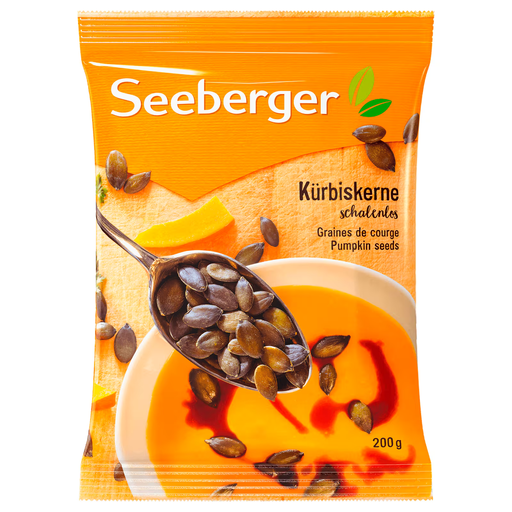
This product is a pumpkin seed option for a picnic with dried fruit packed separately. It isn’t a dried fruit itself; choose your fruit separately, based on its ingredients and nutritional information.
 No image available
Seeberger shelled Styrian pumpkin seeds, 200 g
A handy separate portion of seeds to take along if you’d like another snack to go with your dried fruit.
The pack contains 200 g of shelled Styrian pumpkin seeds. For your planned portion, check the nutritional and allergen information on the current pack.
View on Joybuy
Frequently asked questions
Is dried fruit automatically high in protein?
No. You can’t assume a product is high in protein just because it’s dried fruit. REWE lists 1.5 g of protein per 100 g for ja! prunes, while ALDI SÜD lists 3 g per 100 g for the dried figs shown. Check the figures on the specific pack and consider how much you plan to eat.
How can I combine dried fruit and pumpkin seeds for a picnic?
Pack the fruit and seeds separately so you can decide how much of each to take. As an example for comparing nutritional values, one EDEKA pumpkin seed product lists 34.8 g of protein and 580 kcal per 100 g. These figures apply to that seed product, not to dried fruit or other pumpkin seeds.
What should I check for sulphur dioxide and allergens?
Read the ingredients and allergen information on each specific pack, especially if you need to avoid sulphur dioxide or other declared ingredients. If you’re choosing a mix, check the information about any seeds or nuts it contains, as well as possible may-contain warnings.
Is the nutritional information on an online product page enough?
When choosing a product in store, check the nutritional information on the current pack. EDEKA notes that the product information shown online may differ from the packaging, while ALDI SÜD says its dried figs may vary depending on the supplier.


