Pure dried fruit isn’t a reliable choice for a TV snack if protein is your main priority: ALDI SÜD lists 3 g of protein per 100 g for its figs, while EDEKA lists 2.7 g per 100 g for its fruit mix. If you’re after a fruity flavour, you can pair dried fruit with separately chosen seeds or another source of protein, and compare the nutritional information on the products you actually buy.
Who should consider this?
Active people who prioritise protein
If you’re looking for a post-workout snack to enjoy in front of the TV, it’s worth distinguishing between the protein in a pack of fruit and that in a separately chosen protein source. The German Nutrition Society discusses protein in relation to sport, muscle building and recovery; this doesn’t mean any one dried fruit offers a specific benefit.
Fruit snackers who check the ingredients
If you buy dried fruit for its flavour, you can use the ingredients list to tell sweetened and unsweetened options apart. It’s also important to check the specific pack for information about sulphur dioxide or sulphites.
Shoppers comparing products in store
If you’re choosing between brands, supermarket own-label products and different types of fruit, compare the option you want with the information on its packaging. EDEKA and ALDI SÜD note that online information may differ from what’s printed on the pack you buy.
What should you look for when shopping?
First, decide whether you’re mainly after a fruity snack or a clear contribution to your protein intake. Then use the portion size, ingredients and information on the specific pack to help you choose.
| What to consider |
What to check when buying |
Who it matters most to |
| Protein content |
Compare the protein per 100 g and per planned portion with the energy content of the specific product. |
After exercise, I want to know how much protein my TV snack actually contains, rather than relying on a search term. This protein content is the main consideration for around 37% of consumers when they shop. |
| Sugar and portion size |
Check the sugar and energy content per 100 g, as well as the pack size; portion out the amount you want before eating. |
It’s easy to snack without thinking while watching TV, so I want to decide on the amount beforehand. Planning portions is the main concern for around 27% of consumers. |
| Ingredients and labelling |
Read the ingredients list and allergen information, especially details of added sugar, sulphur dioxide or sulphites. |
I want to know which ingredients and substances requiring labelling are in the fruit option I’m buying. Around 18% of consumers mainly look for this information. |
| The specific pack |
Choose the fruit or seed option you want and compare the information on the pack actually available to buy. |
I need a suitable pack for my TV snack from the range where I shop. This practical choice is the priority for around 18% of consumers. |
Which common mistakes can you avoid?
-
Assuming dried fruit is “high protein” just because it contains protein
A protein figure on its own doesn’t make a food high in protein. Annex to EU Regulation (EC) No 1924/2006 states that at least 20% of a food’s energy value must come from protein for this claim to be used. The 3 g of protein per 100 g listed by ALDI SÜD for its figs, and the 2.7 g listed by EDEKA for its fruit mix, apply to those specific products—not to all dried fruit.
If protein is important to your choice, compare the nutritional information on each pack and choose an additional source of protein separately.
-
Eating straight from the pack without deciding how much to have
It can be harder to keep track of how much you eat when snacking in front of the TV. Sugar and energy information is usually given per 100 g, not necessarily for the amount you take from a pack.
Check the pack size and put the portion you want in a bowl before settling down to watch TV.
-
Overlooking sulphur treatment and other ingredients
The ingredients lists for dried fruit products can vary. REWE highlights the labelling of sulphured dried fruit, while the fruit mix described by EDEKA contains sulphur dioxide.
Check the ingredients list and allergen information for the option you choose, rather than assuming it has the same ingredients as another pack of fruit.
-
Assuming online information applies to every pack
For supermarket own-label products, the information on the specific option you buy may differ from a product listing you’ve seen online. EDEKA notes that its fruit mix may differ from its online listing, while ALDI SÜD says information may vary between suppliers.
Before buying, read the label on the pack you’re actually planning to take home.
Brands and supermarket own-label options
Seeberger
The brand offers different types of dried fruit. It’s a good place to start if you want to compare fruit varieties and pack sizes for a TV snack.
- Seeberger lists dates, apricots, mango and freeze-dried fruit among its products.
- Whether a particular pack suits your protein target or ingredient preferences depends on its own labelling.
REWE
At REWE, you can consider dried fruit and seeds as separate parts of a TV snack.
- The retailer stocks both types of product in its dried fruit and seeds category.
- Being listed in the same category doesn’t tell you how much protein is in a particular pack of fruit or seeds.
EDEKA Herzstücke
This supermarket own-label range offers a fruit mix for shoppers looking for several types of dried fruit in one pack.
- EDEKA lists 2.7 g of protein and 46 g of sugar per 100 g for the fruit mix described.
- These figures apply to this specific mix. EDEKA says it contains sulphur dioxide, so check the labelling on the pack you buy.
Alesto
Lidl’s own brand includes nuts and dried fruit, making it relevant if you’re choosing separate components for a snack.
- Lidl gives mango strips and natural cashews as examples from the Alesto range.
- The range description doesn’t establish the protein content of a portion you put together yourself or of a ready-made mix.
NATURLIEBLINGE – KLEINE SCHÄTZ
The ALDI SÜD range is an option for comparing individual packs of dried fruit.
- ALDI SÜD lists 3 g of protein and 55 g of sugar per 100 g for the figs described.
- These figures apply to this fig product. If you choose a different variety or a product from another supplier, use the labelling on that pack for your comparison.
Pumpkin seeds to pair with dried fruit
This Joybuy selection features pumpkin seeds you could consider as a separate part of a TV snack alongside dried fruit. Pumpkin seeds aren’t dried fruit, so check the nutritional information on each pack when comparing protein content and portion sizes.
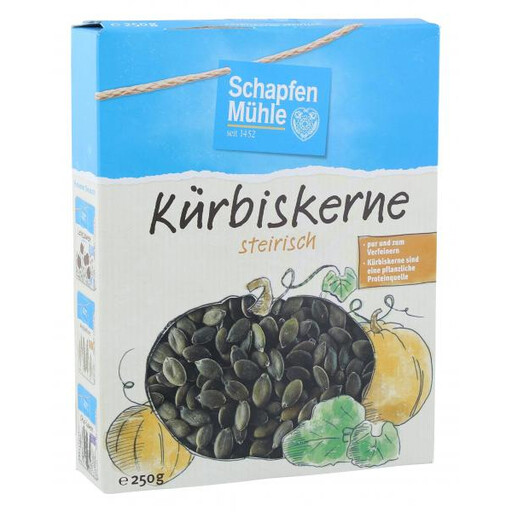 Image unavailable
SchapfenMühle Styrian pumpkin seeds, 250 g
A separate seed option to enjoy with dried fruit. The pack contains 250 g; compare the nutritional and allergen information on the pack you choose.
View on Joybuy
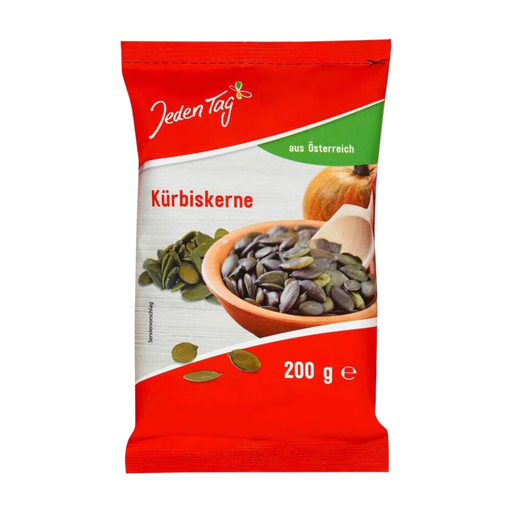 Image unavailable
Jeden Tag shelled pumpkin seeds, 200 g
Shelled pumpkin seeds to portion separately or pair with dried fruit. The pack contains 200 g; check the seeds for any pieces of shell before eating.
View on Joybuy
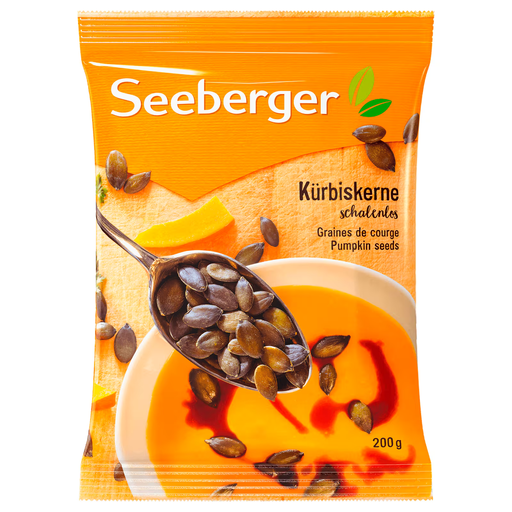 Image unavailable
Seeberger Styrian shelled pumpkin seeds, 200 g
A separate seed option if you’d like to choose dried fruit and seeds individually. The pack contains 200 g; check the nutritional and allergen information on the specific pack before buying.
View on Joybuy
Frequently asked questions
Is dried fruit automatically “high protein”?
No. A protein figure in the nutritional information isn’t enough on its own to justify a “high protein” claim. The annex to EU Regulation (EC) No 1924/2006 specifies that protein must account for at least 20% of a food’s energy value. The information ALDI SÜD gives for its figs and EDEKA gives for a fruit mix applies only to those two options, not to all dried fruit.
How can dried fruit fit into a post-workout snack?
Dried fruit can add a fruity element; if protein matters to you, choose a suitable source of protein using its own nutritional information. The German Nutrition Society considers protein intake as part of a balanced diet for sport, rather than a property of any individual fruit snack.
How can I tell if dried fruit has been treated with sulphur?
Read the ingredients list and check the allergen information for sulphur dioxide or sulphites. REWE highlights the labelling of sulphured dried fruit; sulphur dioxide is listed for the EDEKA fruit mix described here.
Why should I read the label if I already know the product page?
The label belongs to the pack you actually buy, so it’s the best source for comparing its ingredients and nutritional information. EDEKA notes that its fruit mix may differ from the online listing, while ALDI SÜD says information for its fig product may vary between suppliers.


